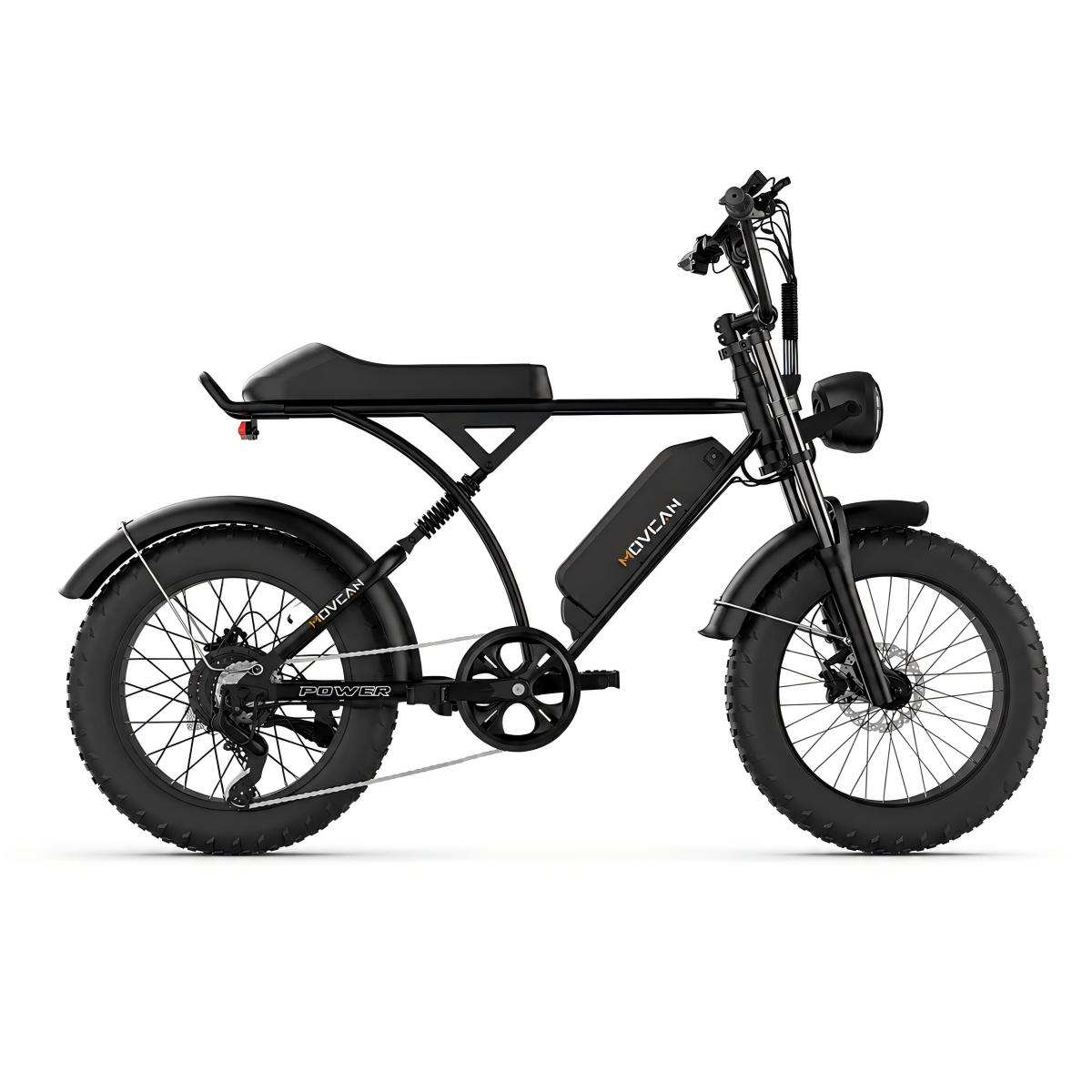
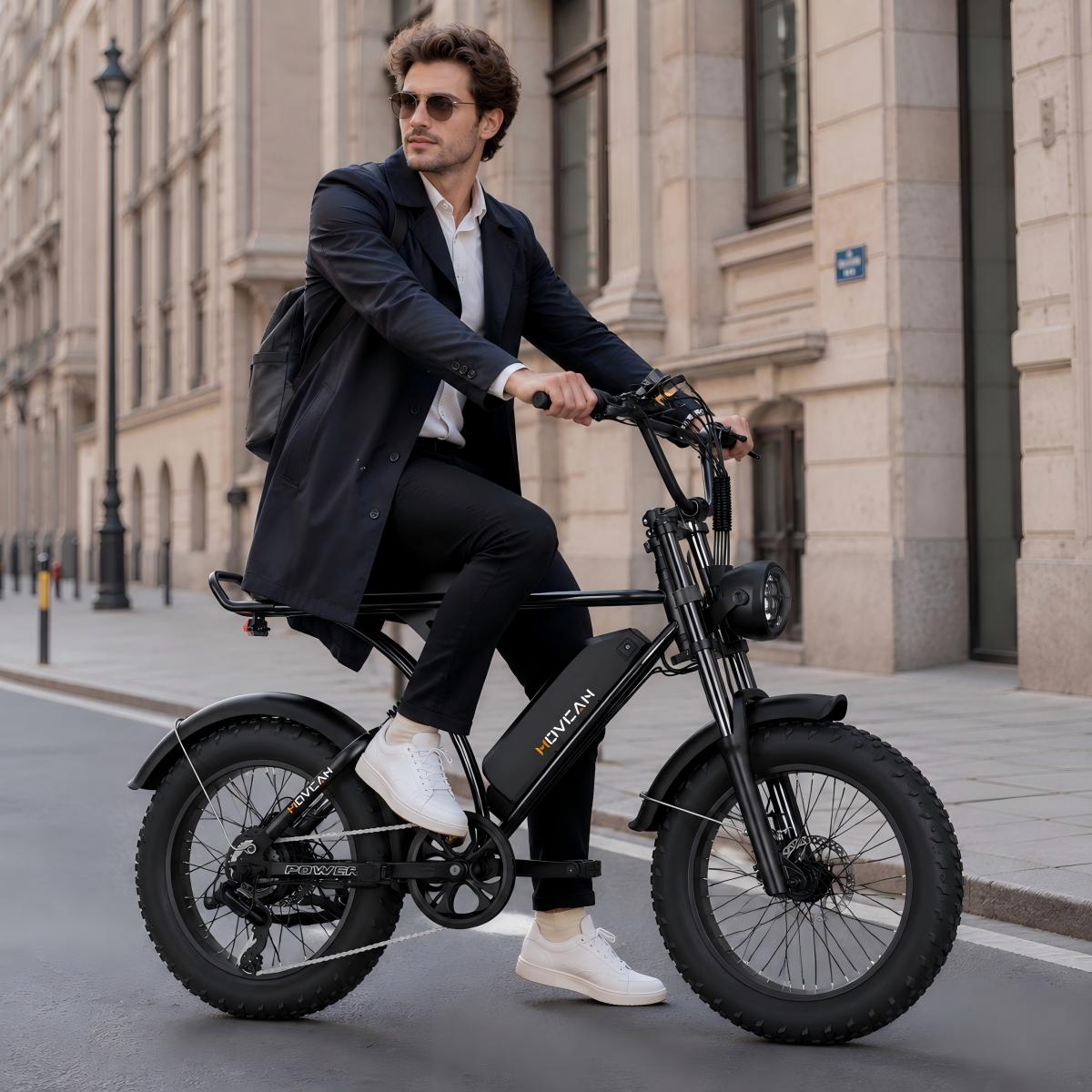
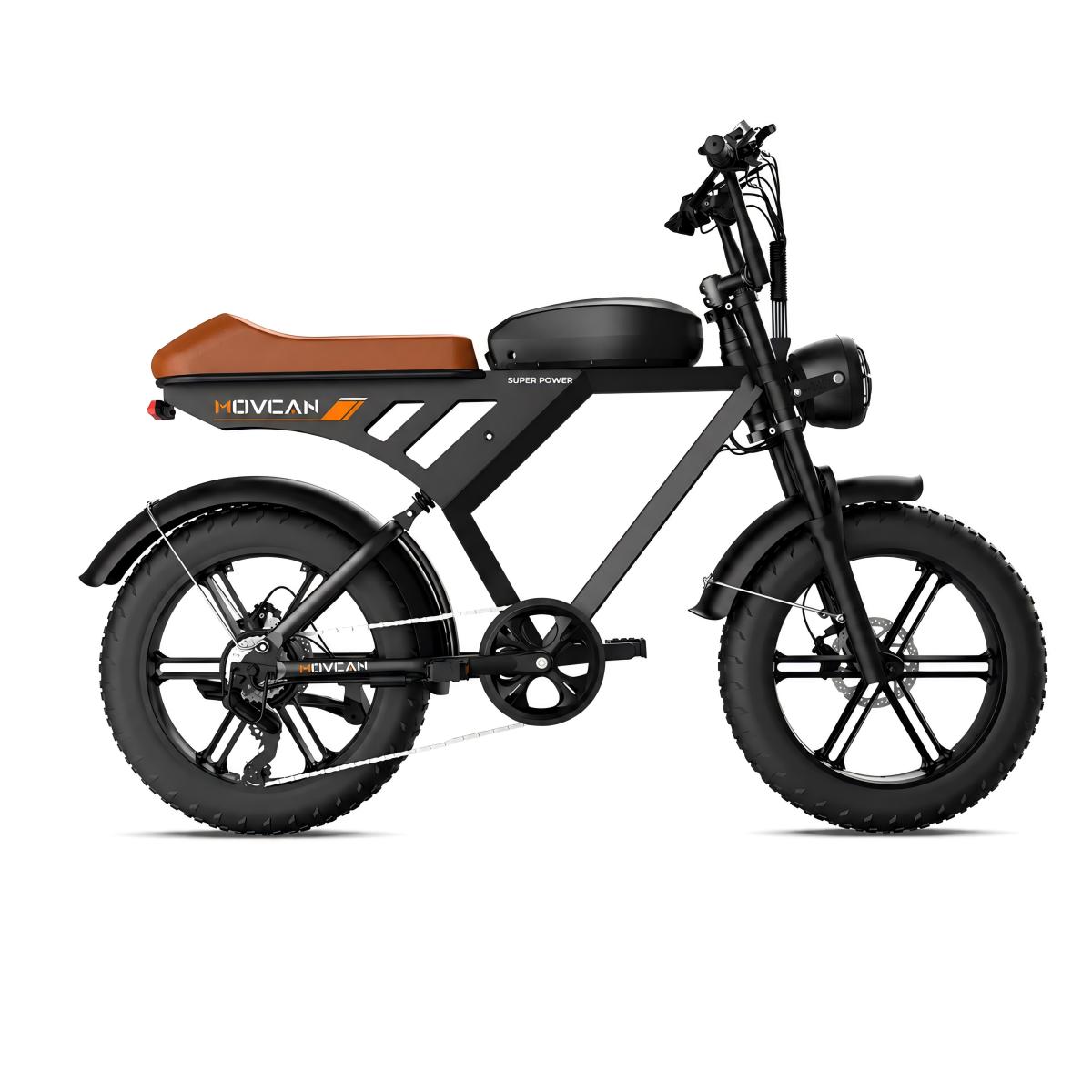
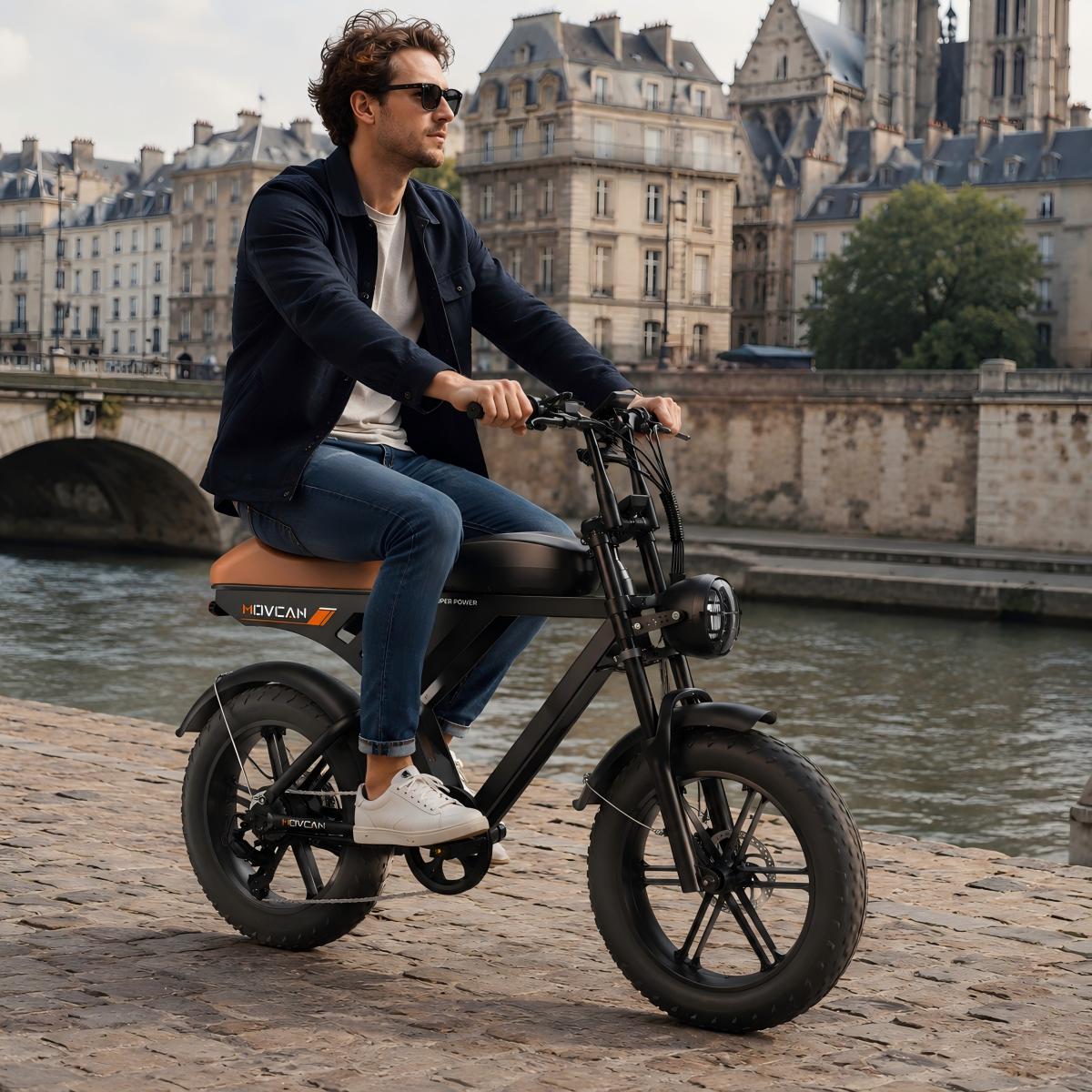
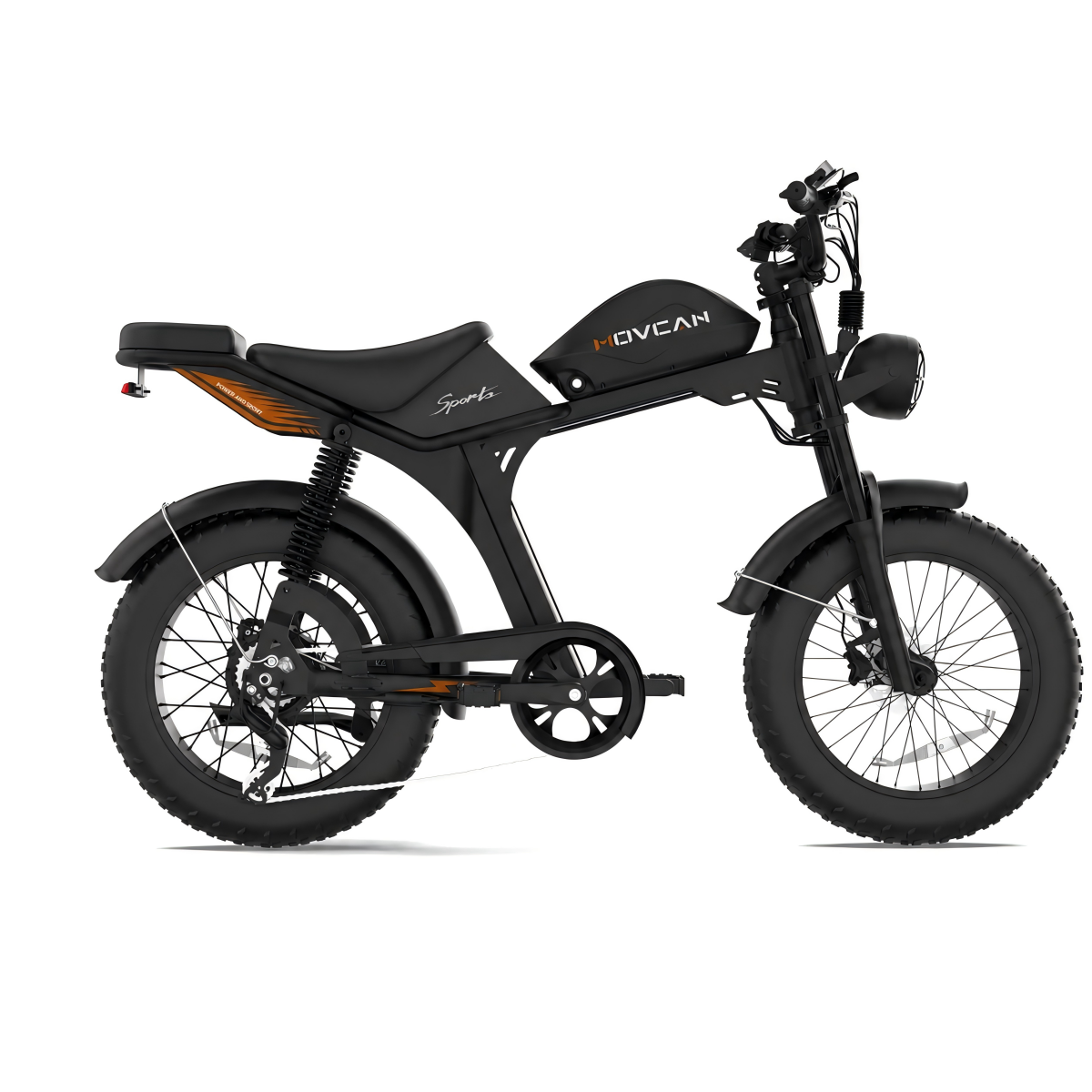
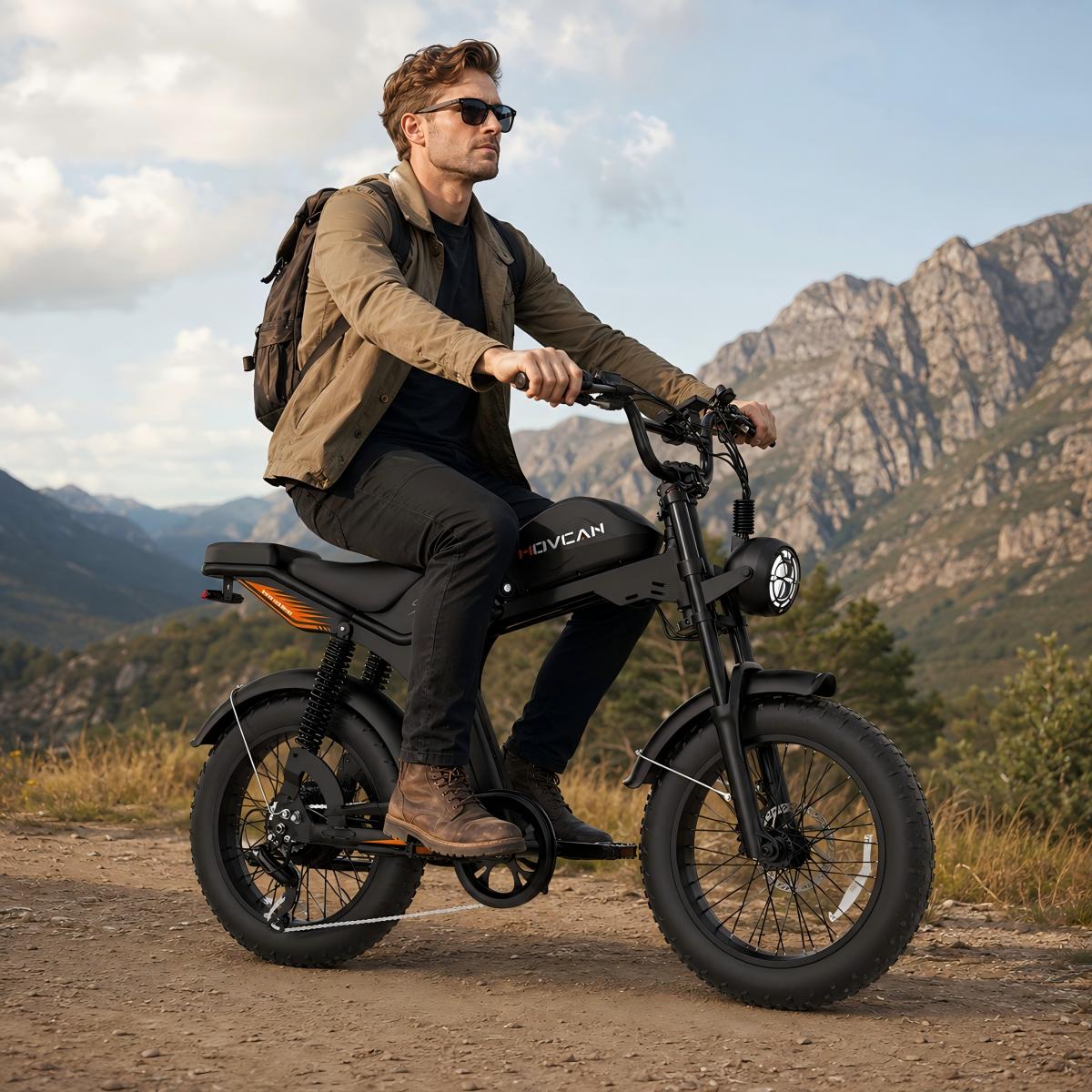
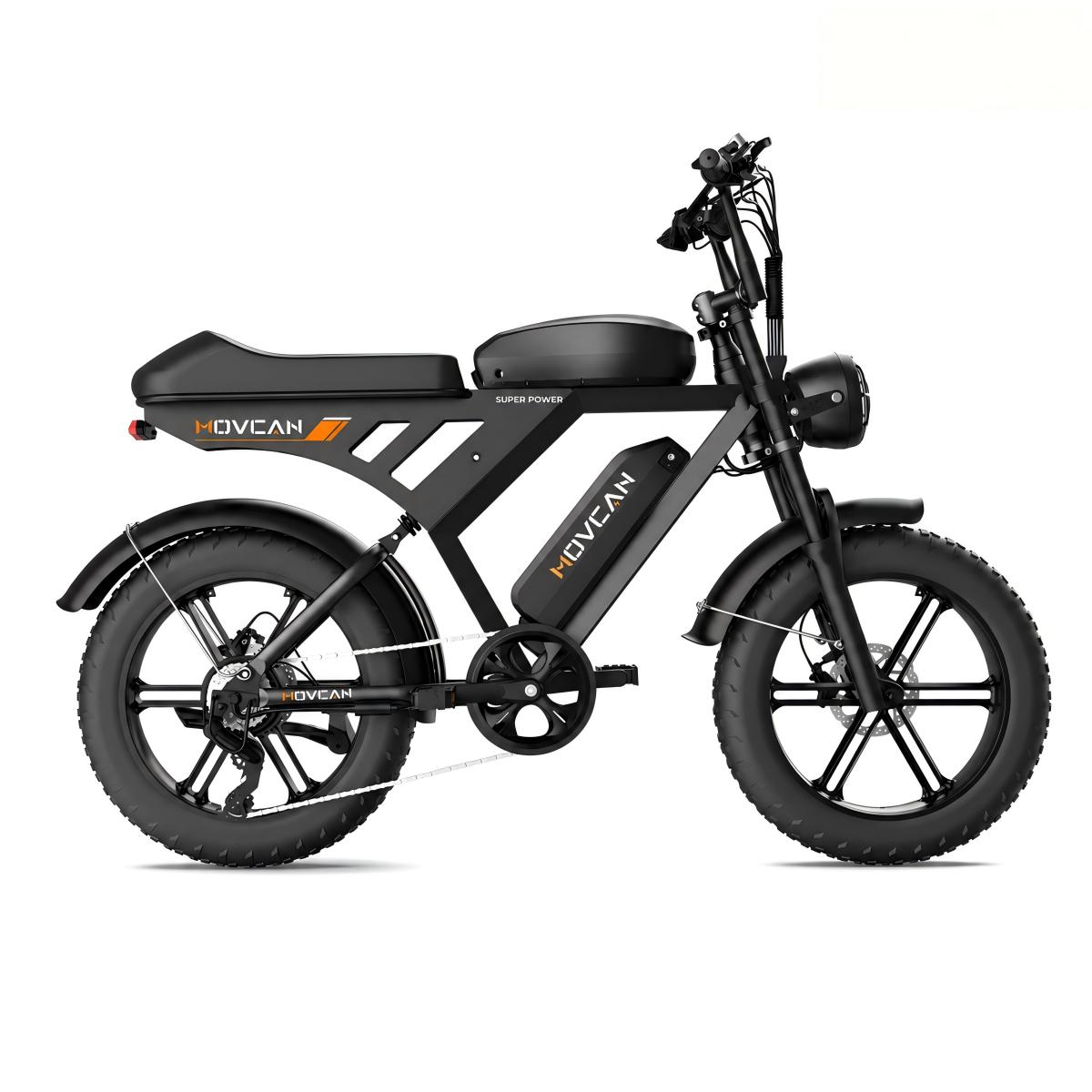
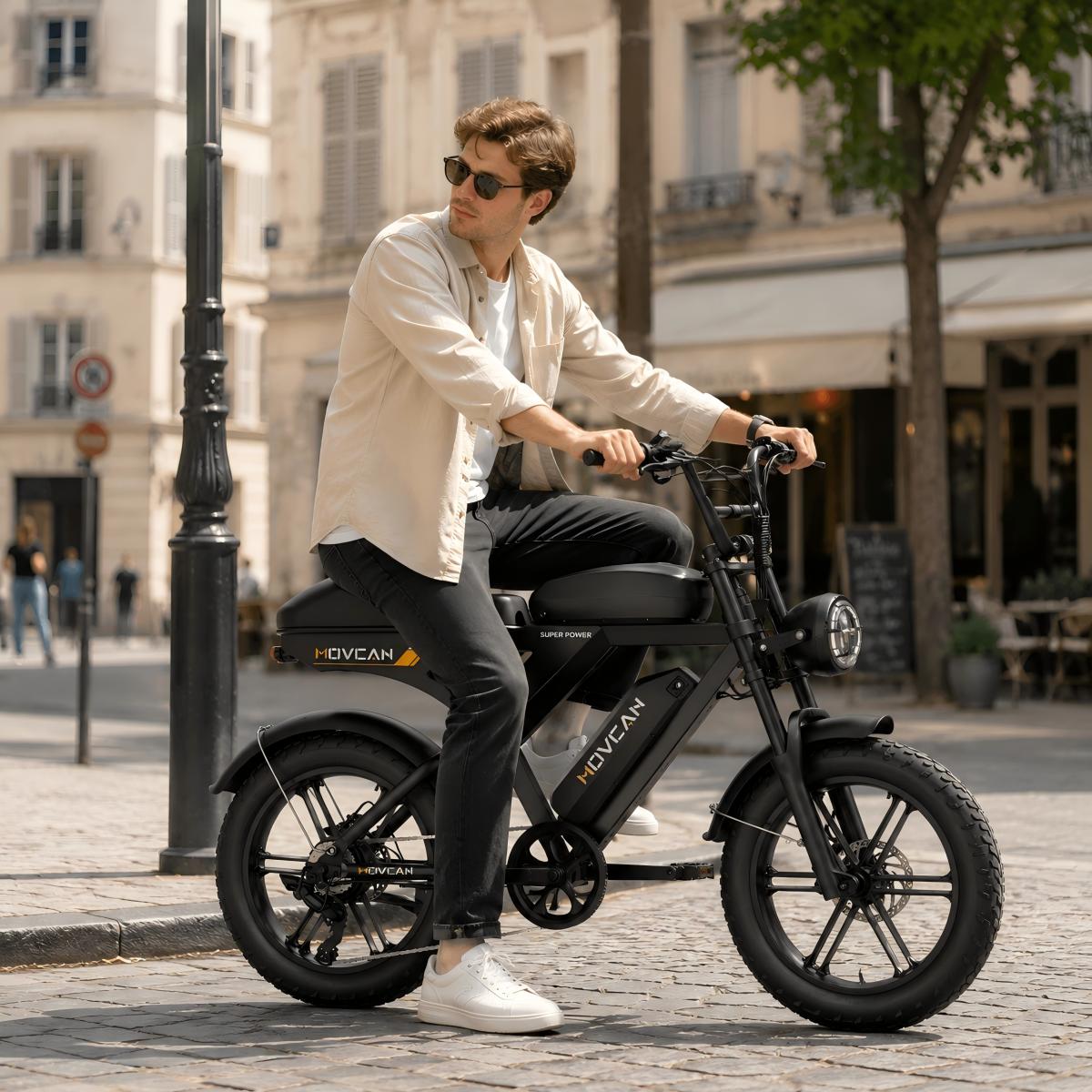
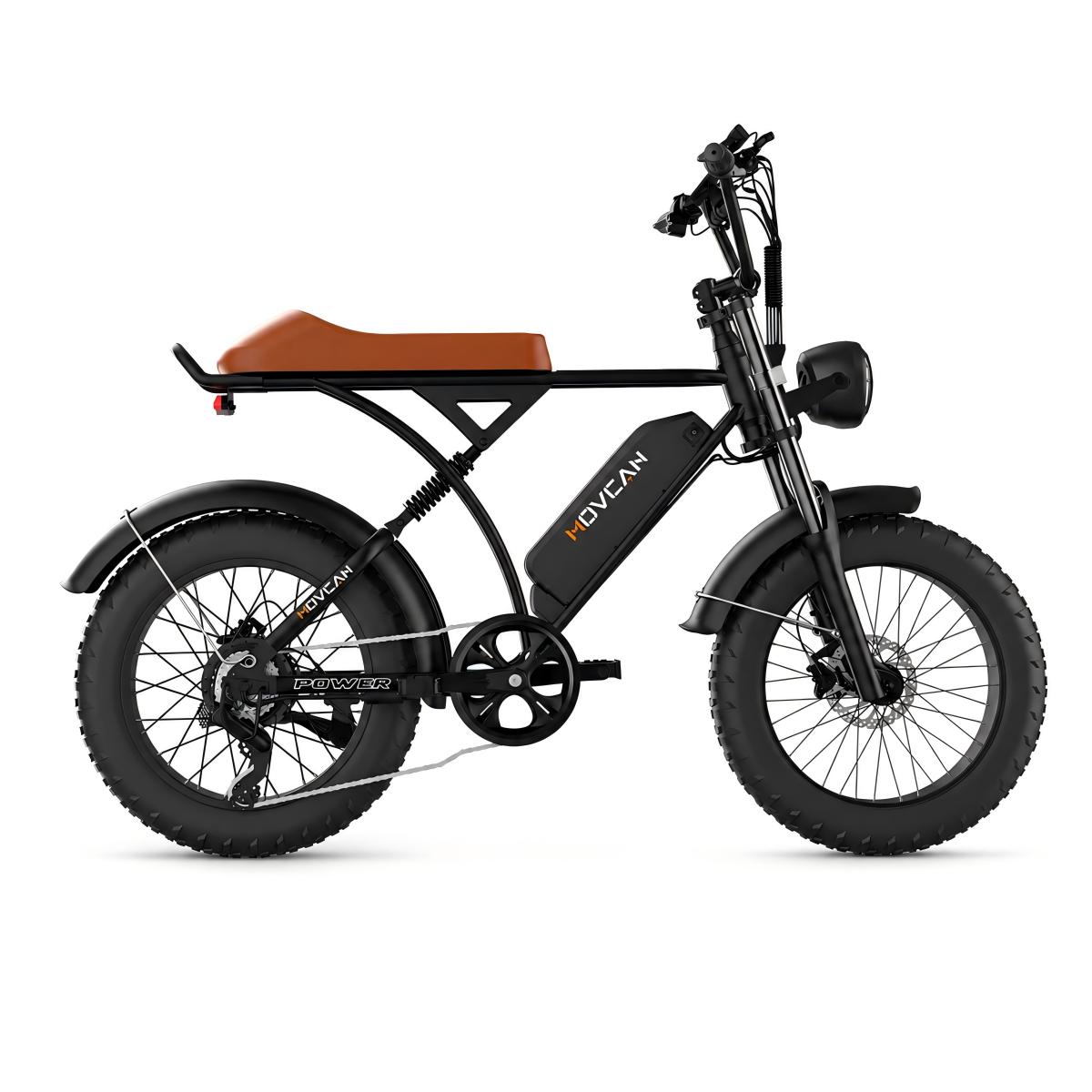
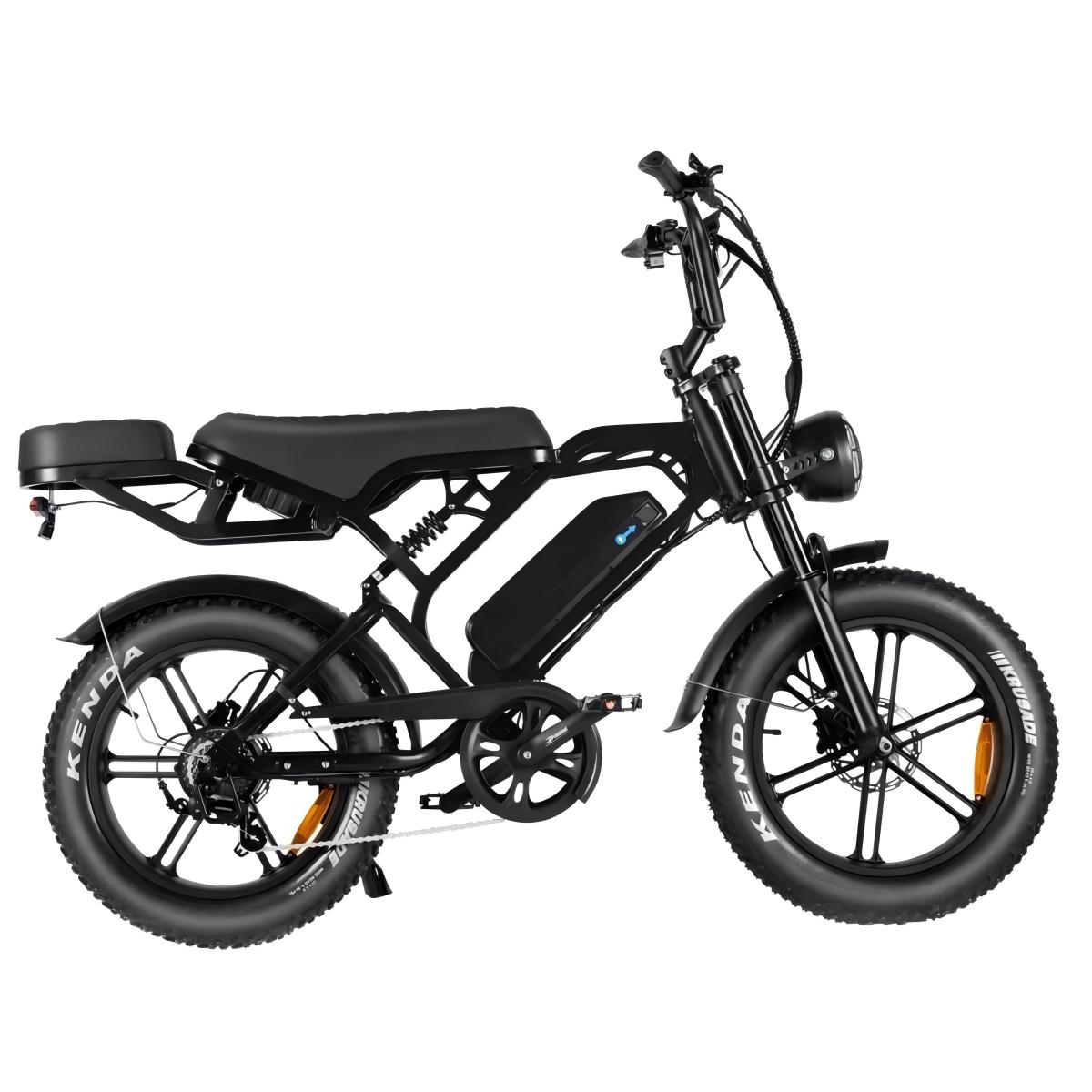
What is a fat tire electric bike?
A fat tire electric bike is an eBike with wider-than-standard tires, commonly around 4 inches wide on many models. The larger contact patch can add stability, cushioning, and traction across rough pavement, gravel, and mixed surfaces. Fat tires do not automatically make a bike an off-road or mountain bike; overall capability also depends on the frame, motor, suspension, brakes, weight, and intended use.
What are the benefits of a fat tire eBike?
The main benefits are added stability, cushioning, and grip on rough or uneven surfaces. A fat tire eBike can feel more planted on broken pavement, gravel, and recreational mixed terrain than many narrow-tire city bikes. The trade-offs are higher weight, more rolling resistance, and a larger storage footprint, so the format is most useful when those benefits match the rider’s route.
Are fat tire electric bikes good for commuting?
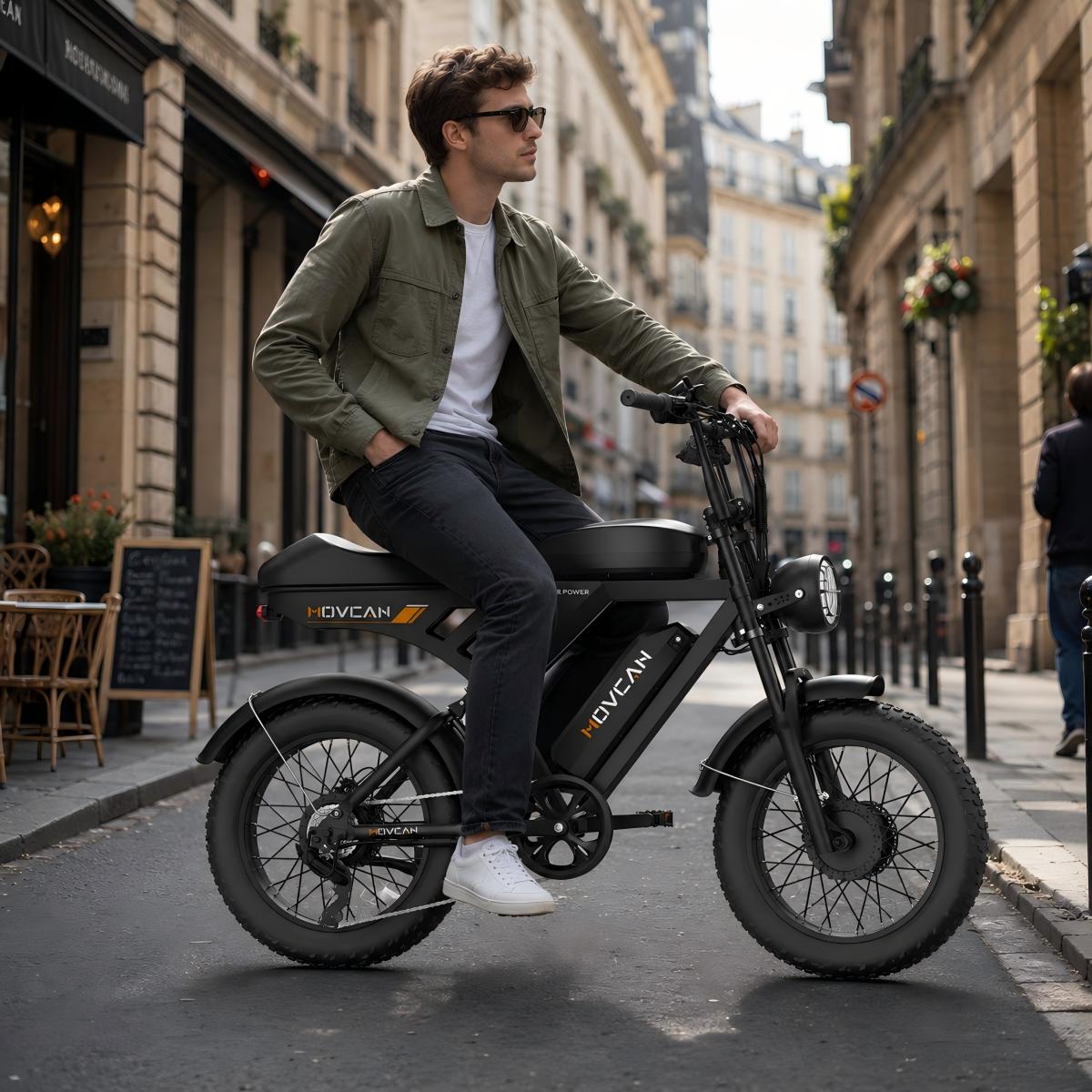
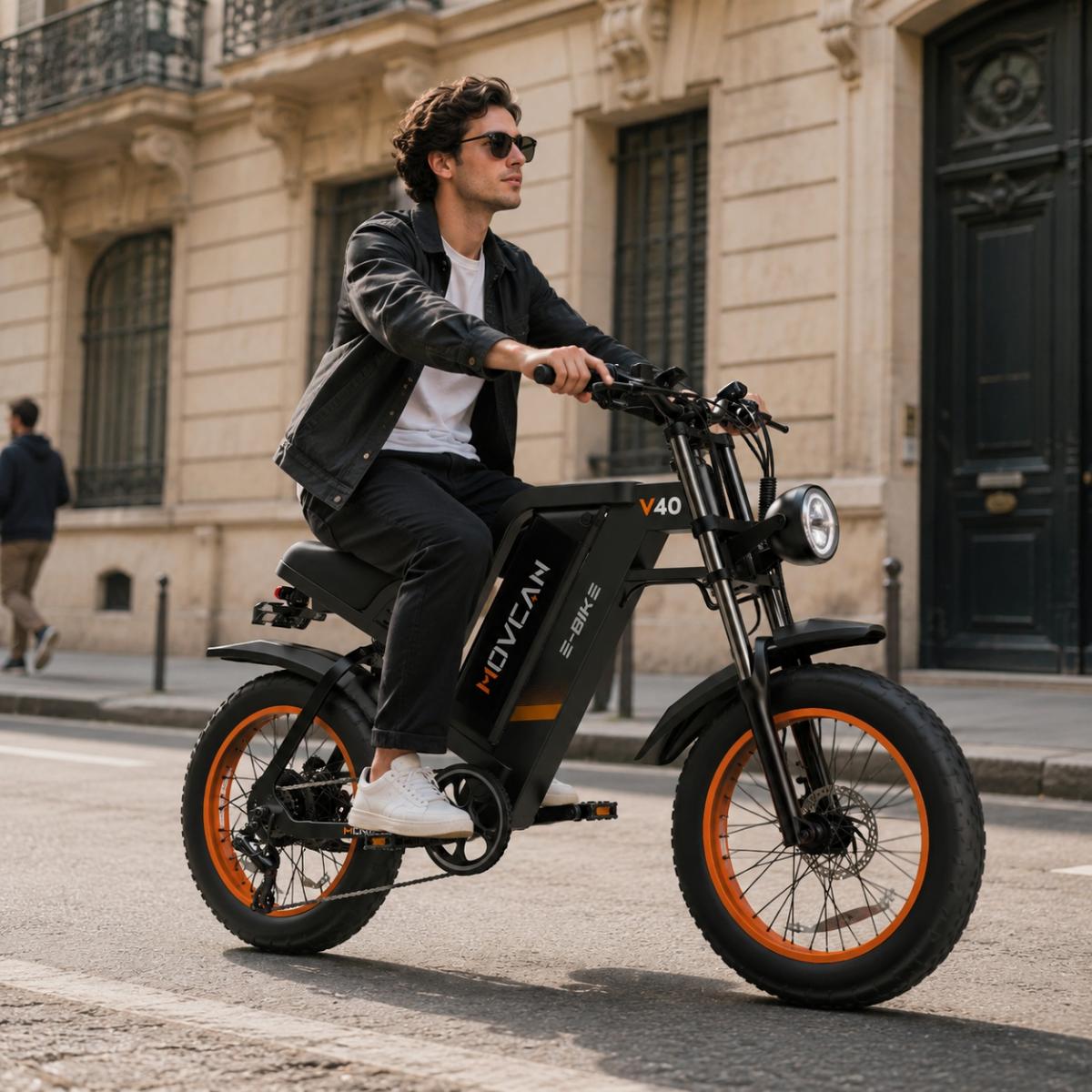
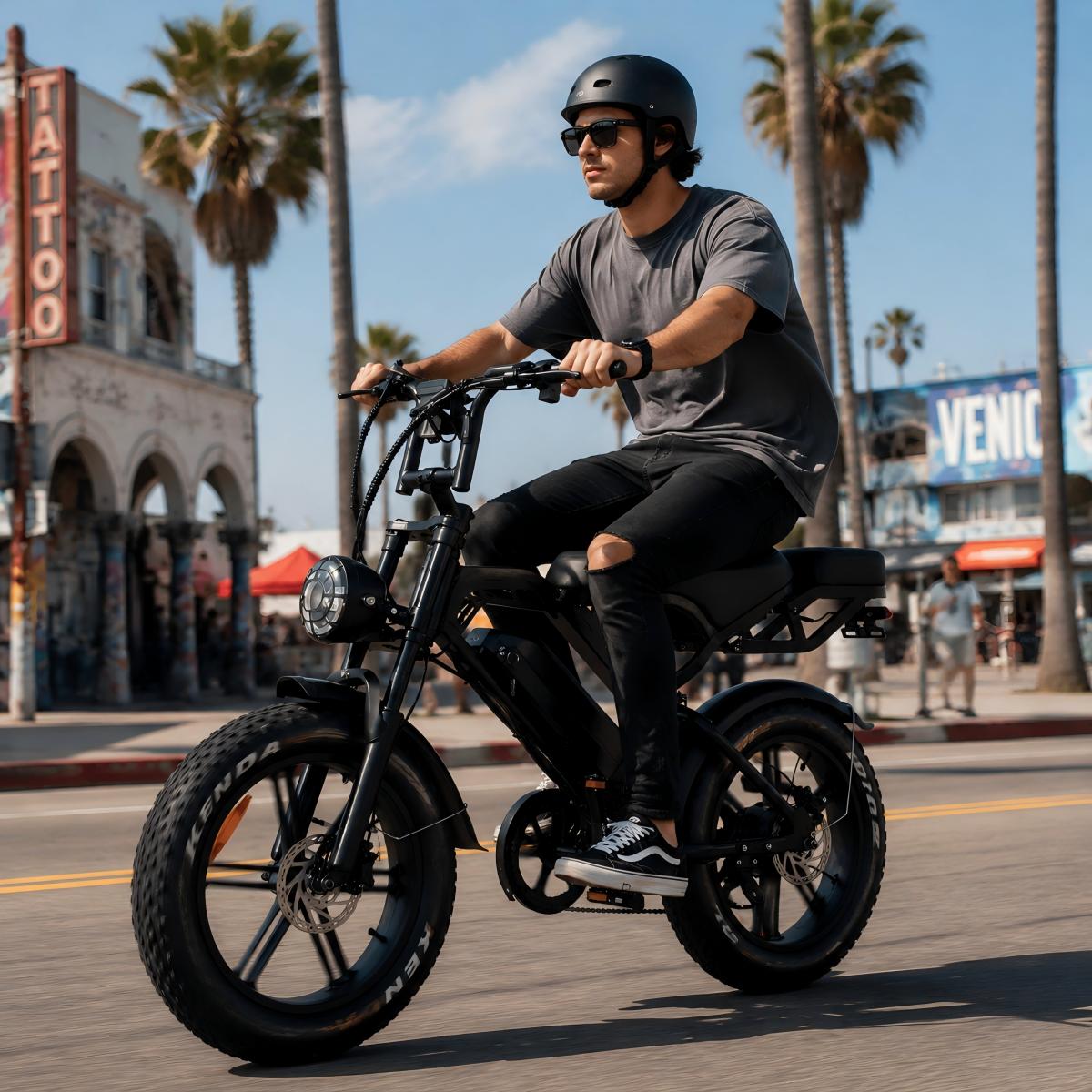
Yes, especially when the commute includes rough pavement, potholes, gravel, or other uneven surfaces. Wider tires can add comfort and stability for daily riding. However, a fat tire electric bike is usually heavier and can have more rolling resistance than a regular commuter eBike, so riders on short, smooth urban routes may prefer a lighter setup.
Are fat tire eBikes good for gravel and dirt roads?
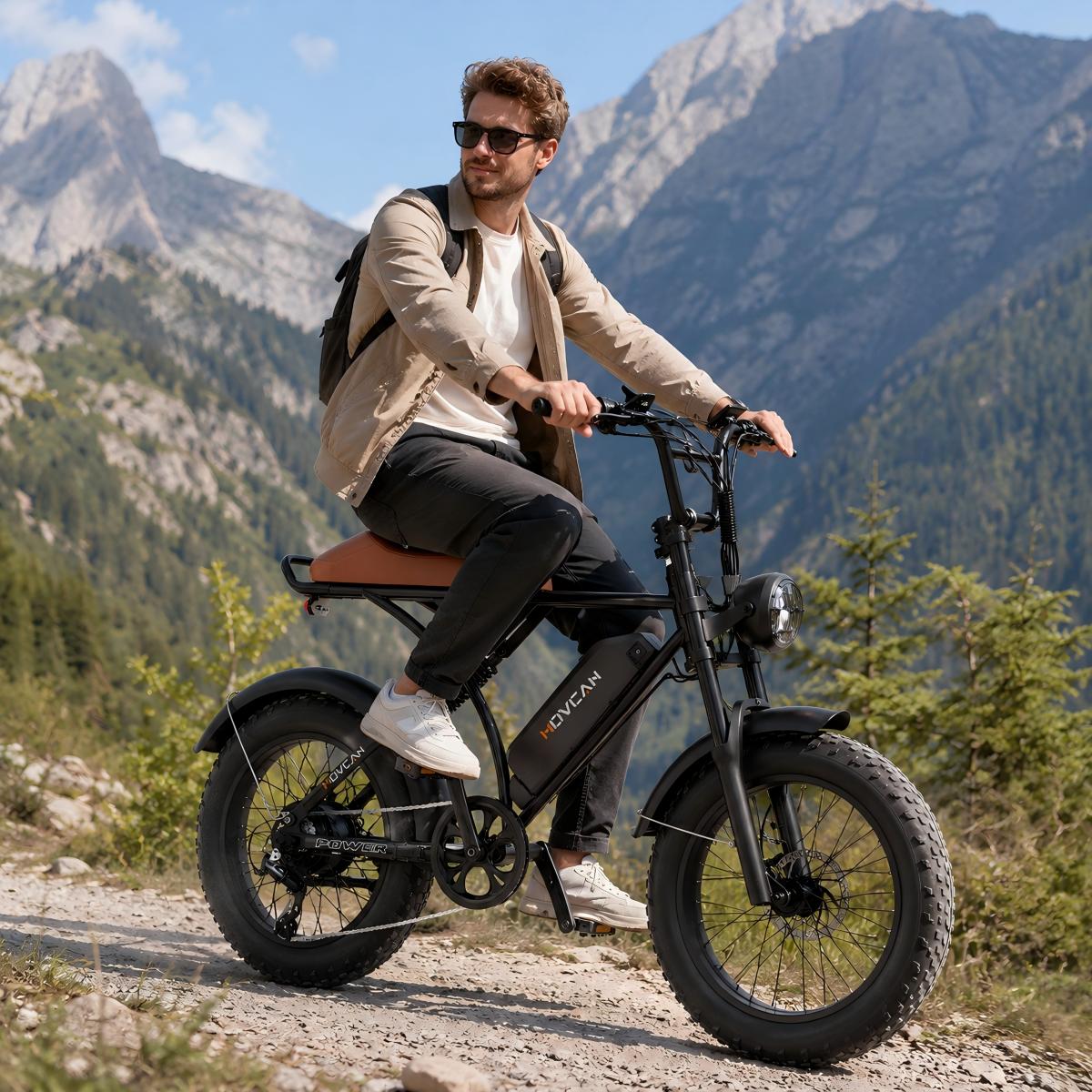
They can be. Fat tire eBikes are often well suited to gravel, dirt roads, and recreational mixed-surface riding because wider tires can add traction and cushioning. Tire pressure, tread, suspension, braking, bike weight, and rider skill still matter. A fat-tire bike should not automatically be treated as a purpose-built technical electric mountain bike.
Are fat tire electric bikes harder to pedal?
They can feel harder to pedal without motor assistance because wider tires usually add weight and rolling resistance. Tire pressure, tread, bike weight, gearing, and surface conditions all influence how much effort is required. On an eBike, motor assistance can offset much of that added resistance, but riders should still consider efficiency if they spend most of their time on smooth pavement.
What is the difference between a fat tire eBike and a regular eBike?
A fat tire eBike uses wider tires that emphasize stability, cushioning, and mixed-surface capability. A regular-tire eBike is typically lighter, more efficient on smooth pavement, and easier to store. Neither format is automatically better. Fat tires are useful for rough roads and varied surfaces, while regular tires can be better suited to smooth urban riding and riders who prioritize lighter handling.
What tire size is common on a fat tire electric bike?
Many fat tire electric bikes use tires around 4 inches wide, and 20 × 4-inch setups are common on several MOVCAN models. Other fat-tire bikes may use different wheel diameters or widths. Tire size should be evaluated together with frame design, rider fit, storage needs, suspension, and the surfaces where the bike will be used.
Which MOVCAN fat tire electric bike should I choose?
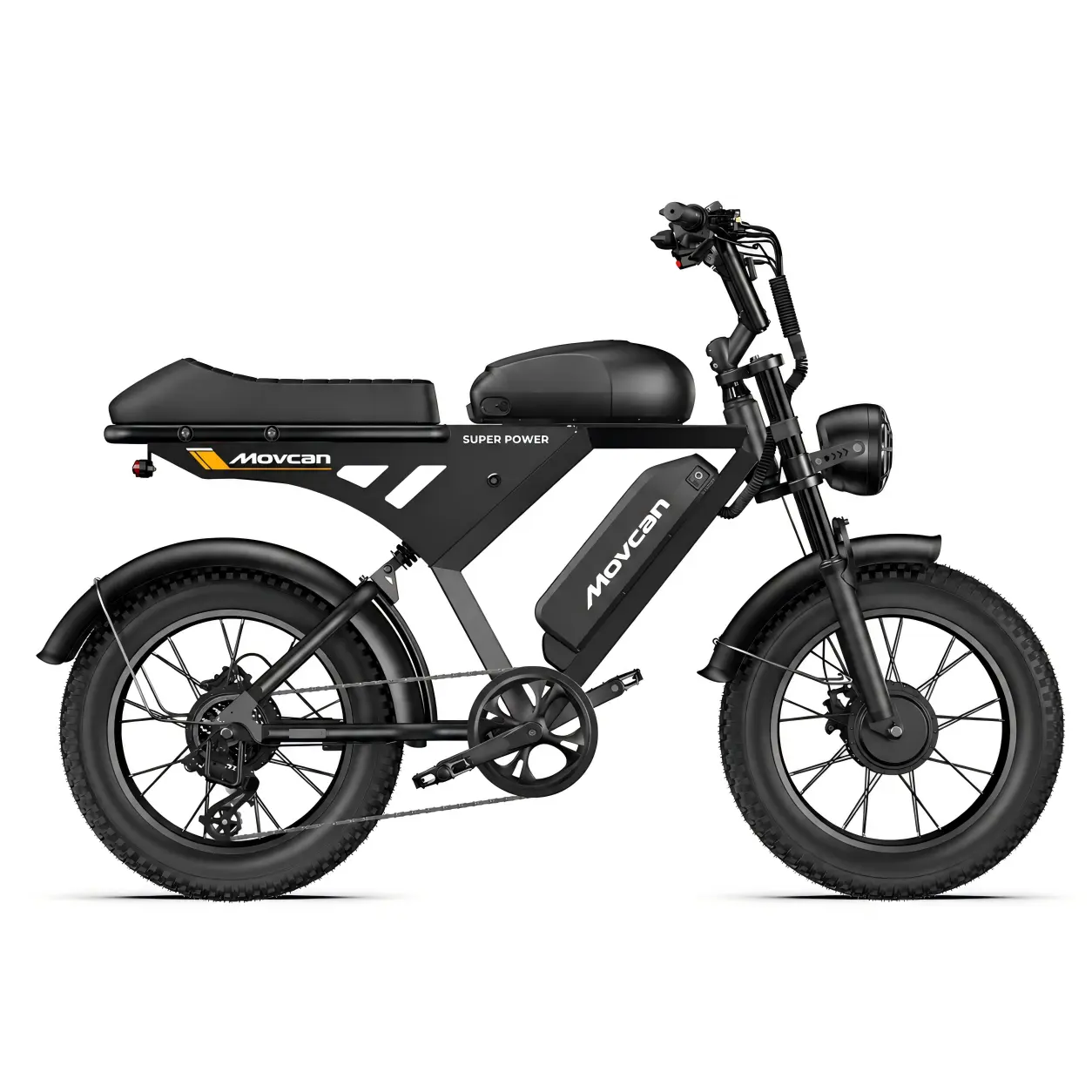
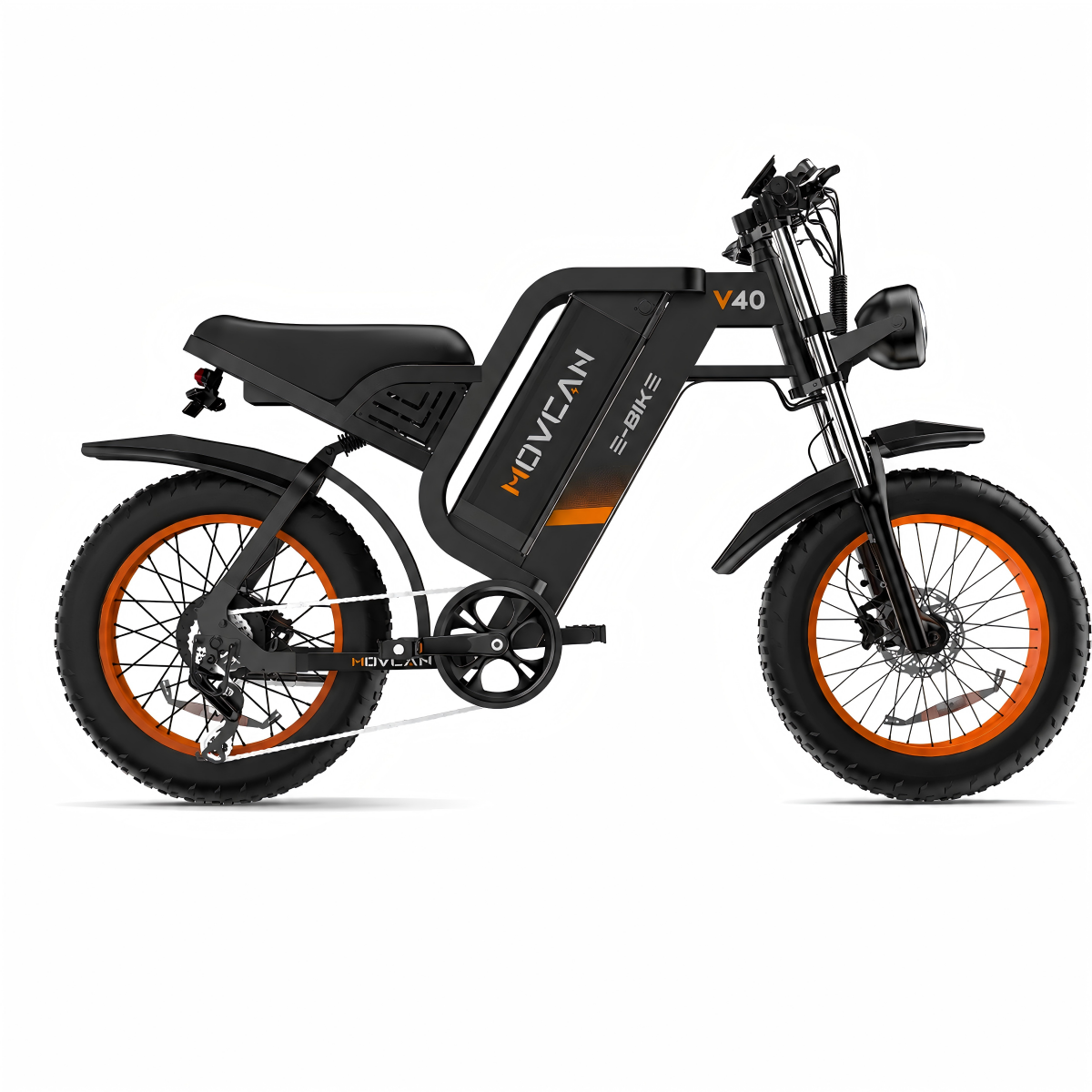
Choose based on how and where you ride. The V60 is a practical everyday fat-tire option; the V60 Pro adds stronger performance; the V70 and V30 Max suit longer-distance riding; the V30 Pro Max is the dual-motor performance choice; the V30 and V20 are more commuter-oriented; and the V40 is a versatile option for mixed urban and recreational use.