Commuter Electric Bike
Sort: Recommended
Sort:
7 items
Filter
Filter
7 items
Clear
Recommended
Sort:
7 items
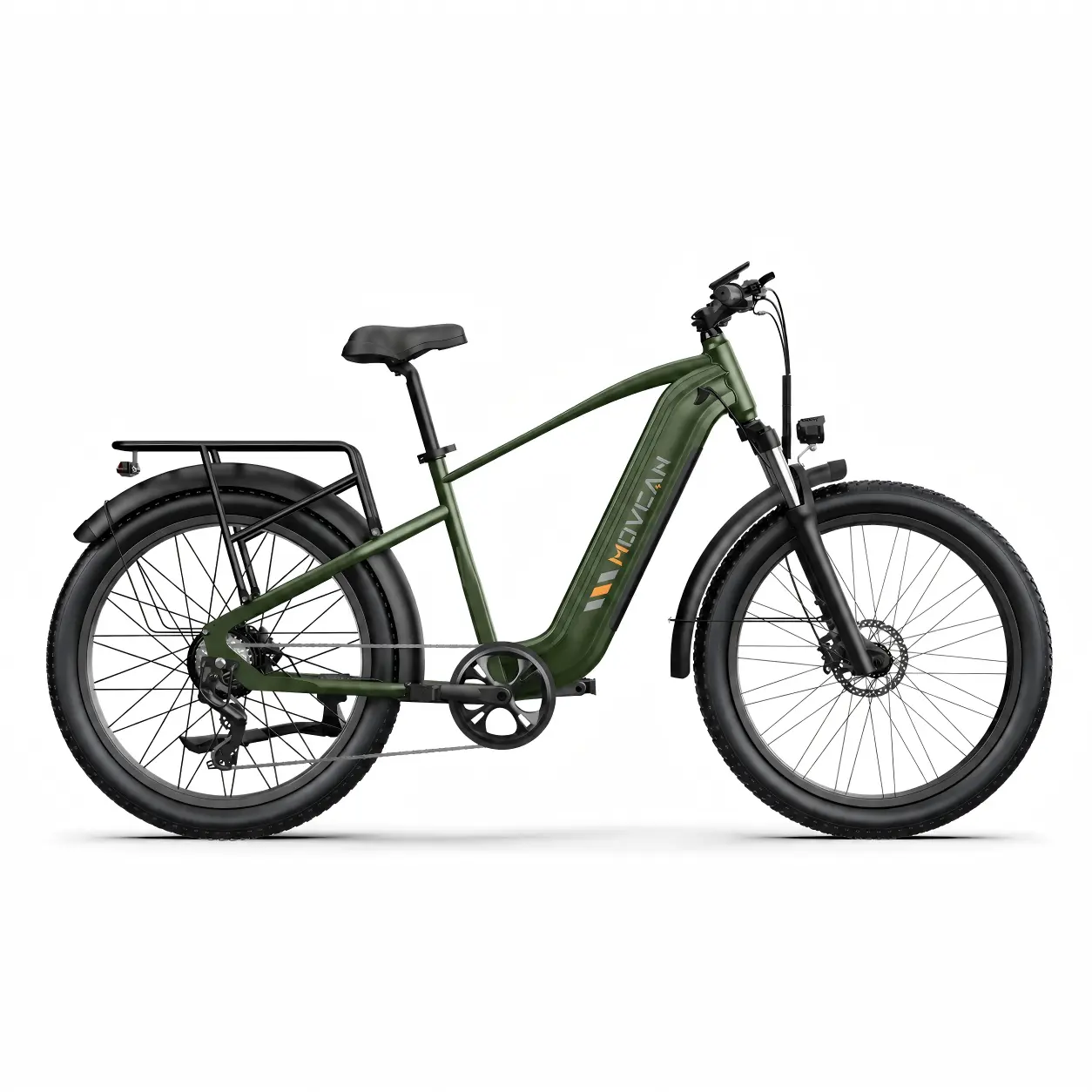
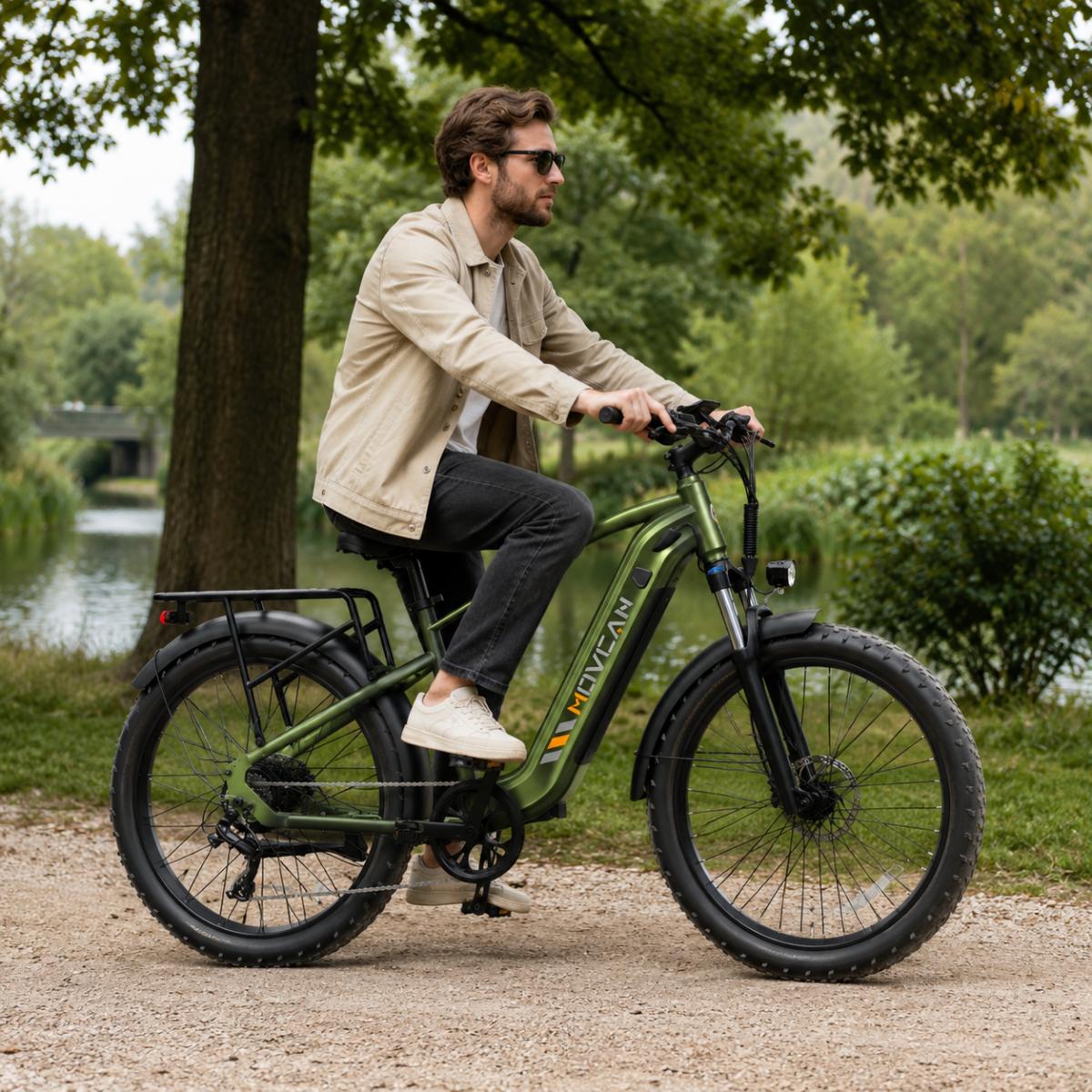
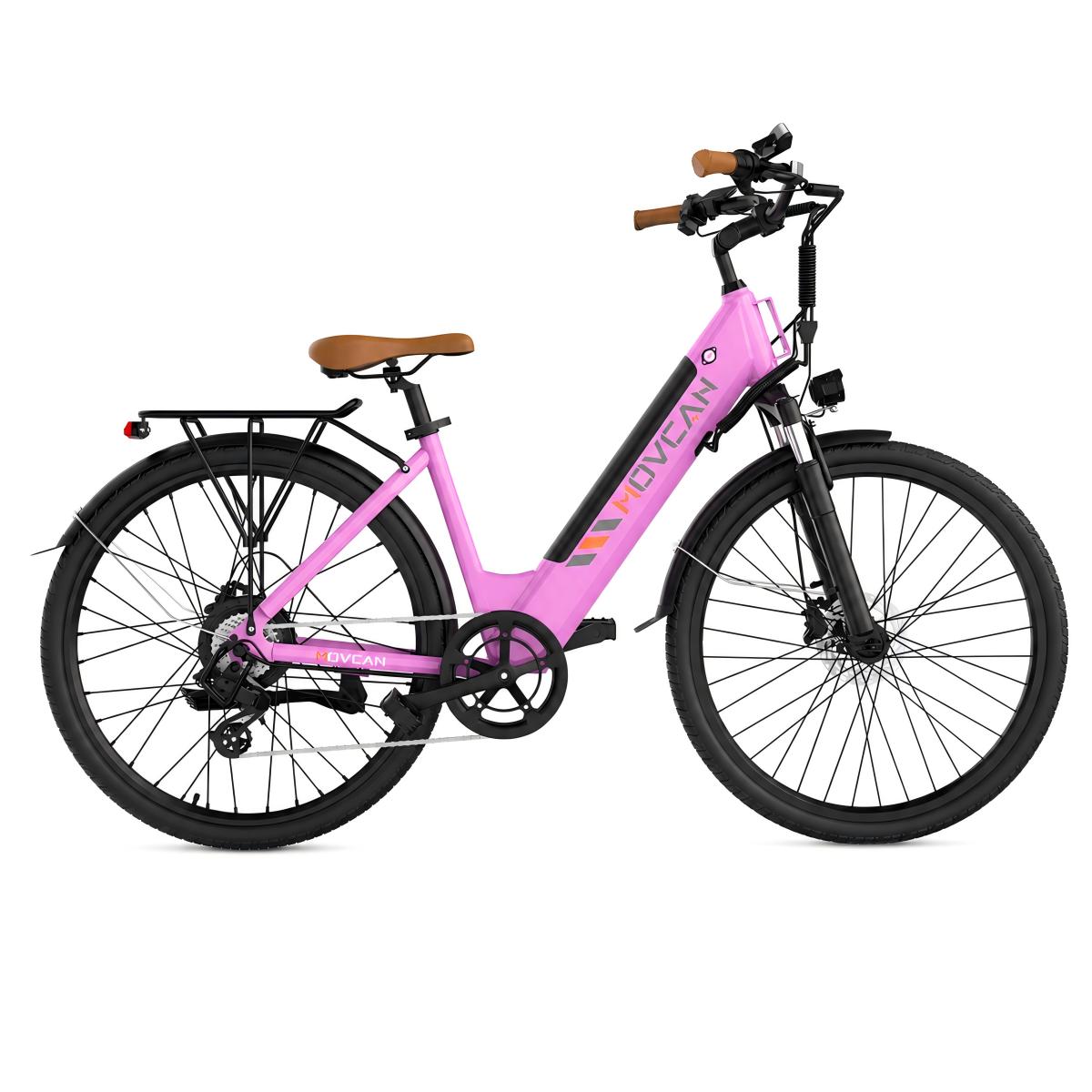
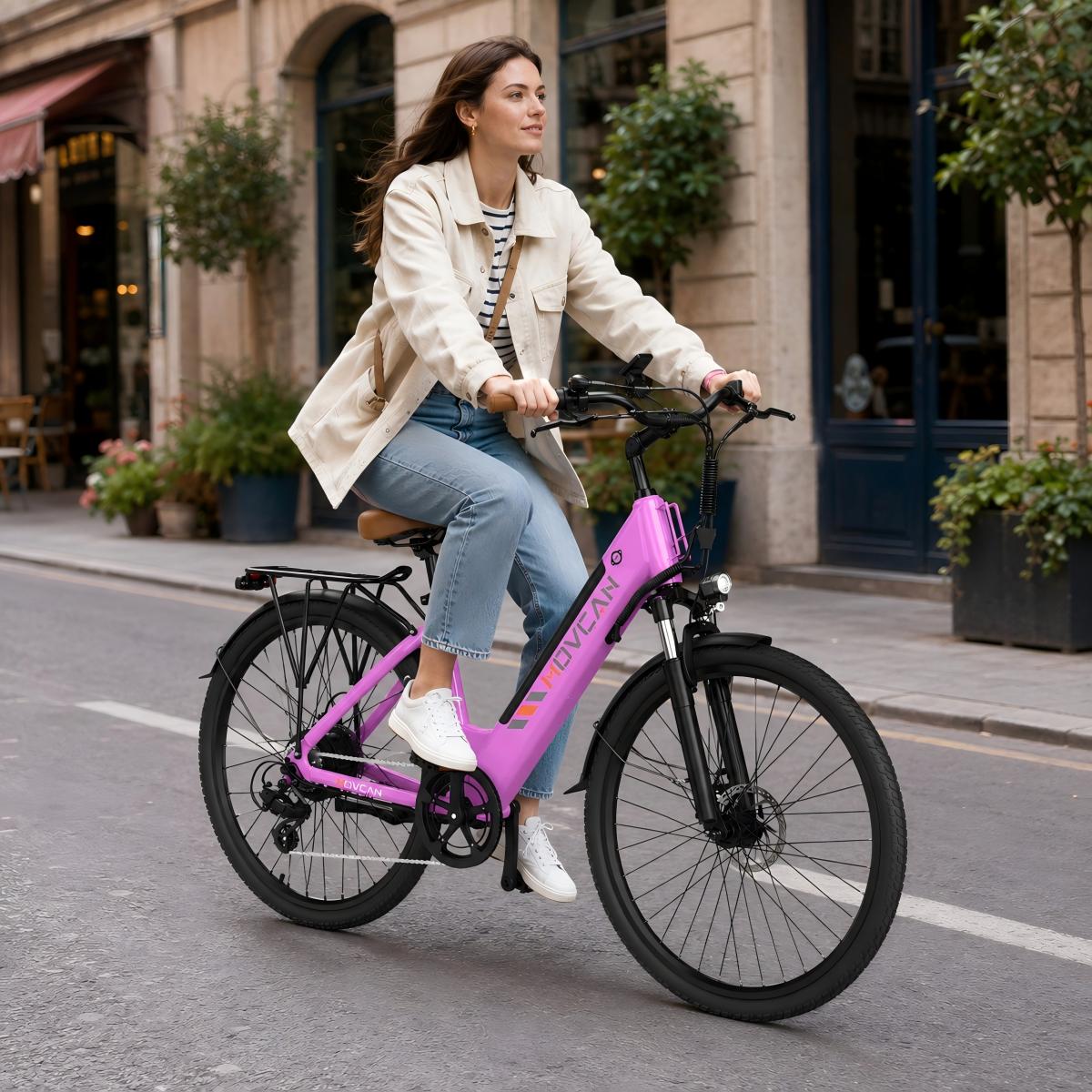
  • Movcan EB60 Electric Bike Movcan EB60 Electric Bike
    Save $530.00
    Movcan EB60 Electric Bike
    $869.00 USD
    $1,399.00 USD
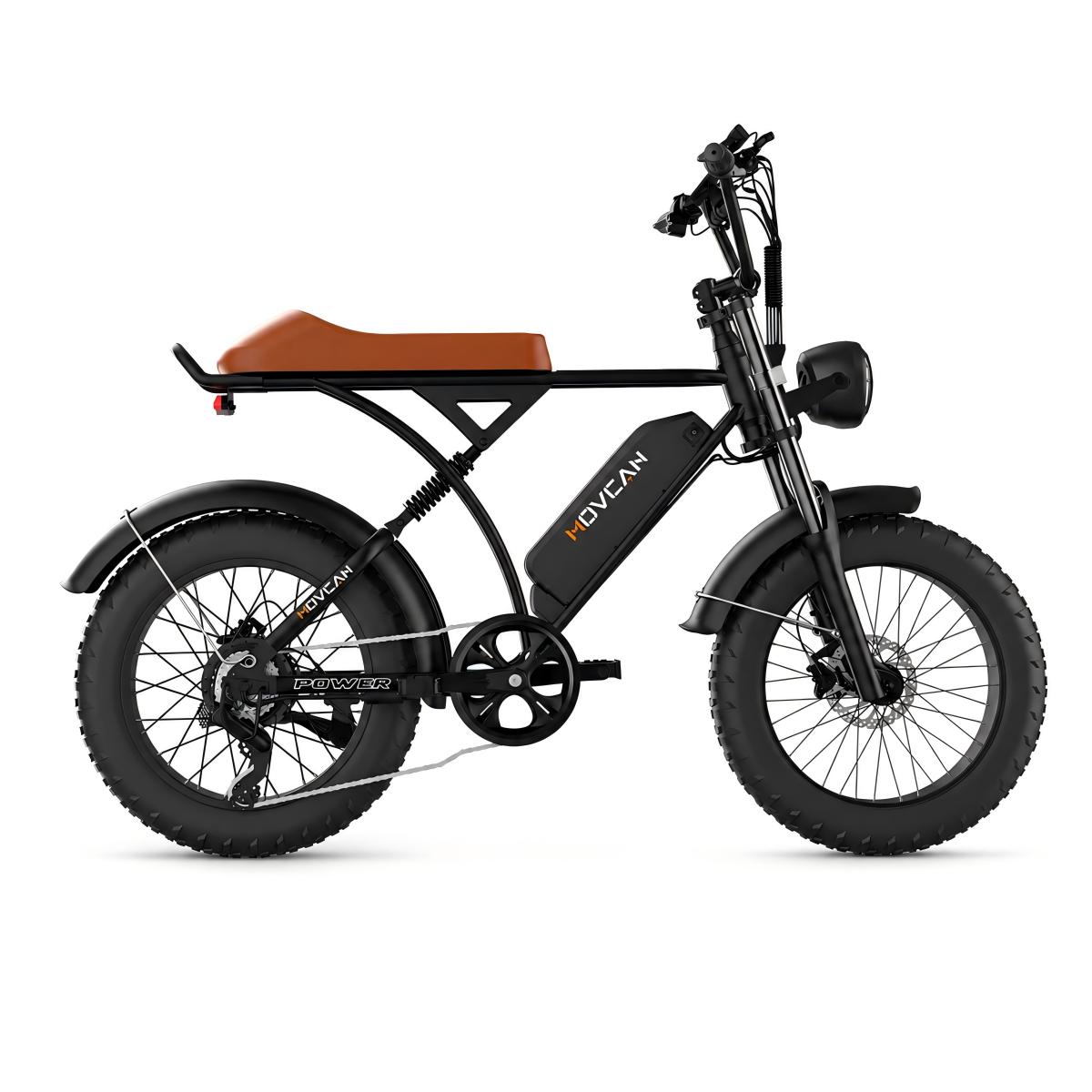
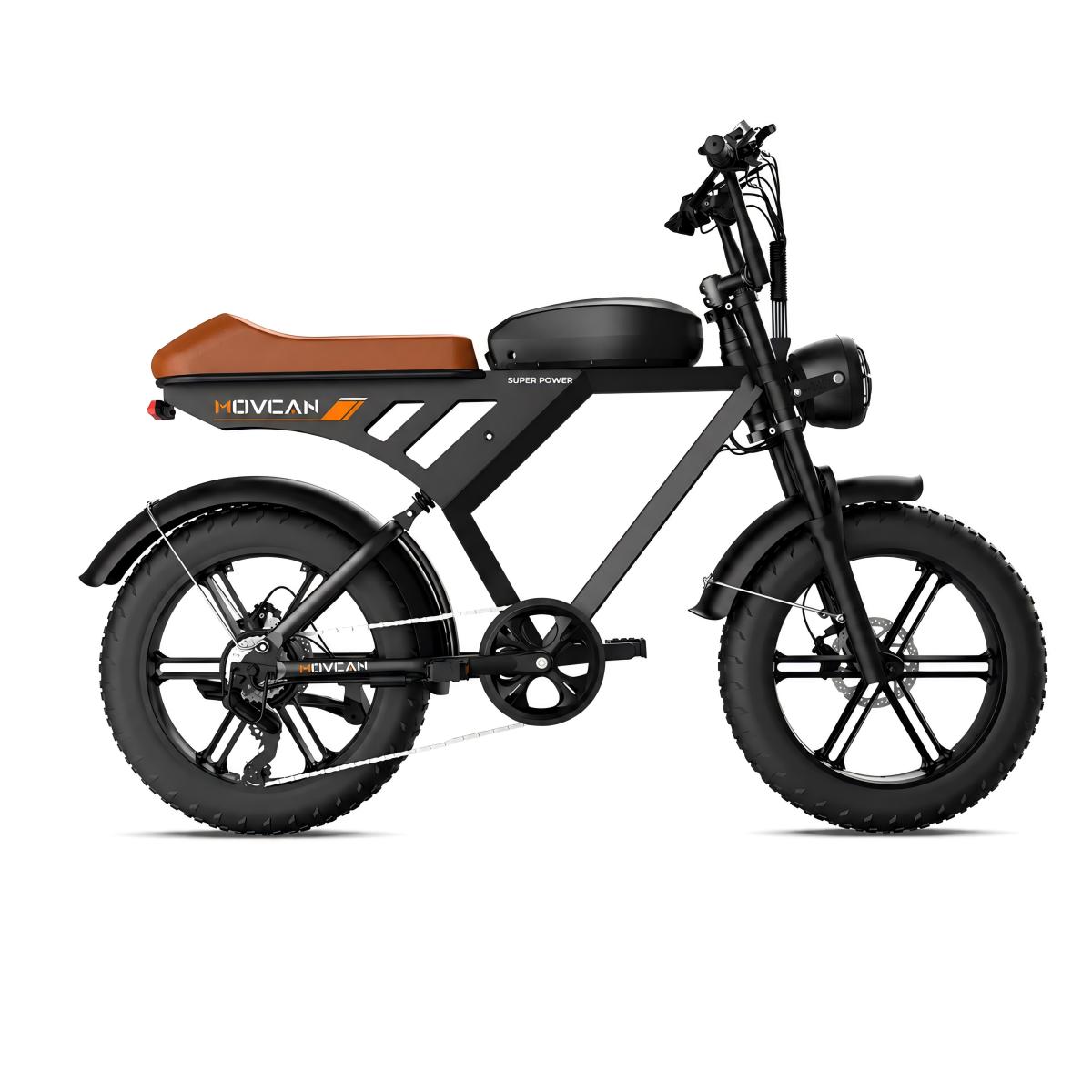
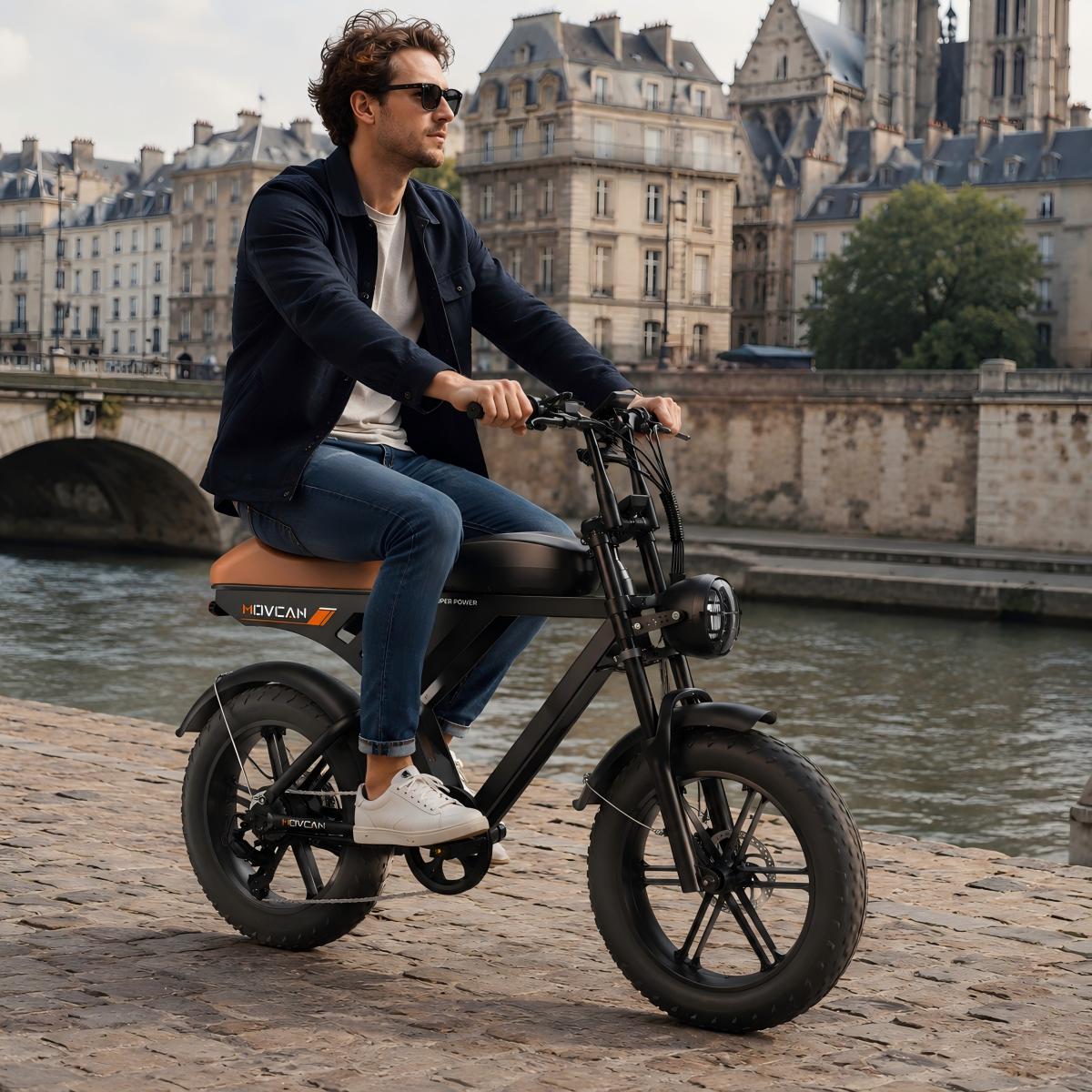
  • Movcan V60 Electric Bike Movcan V60 Electric Bike
    Save $560.00
    Movcan V60 Electric Bike
    $689.00 USD
    $1,249.00 USD
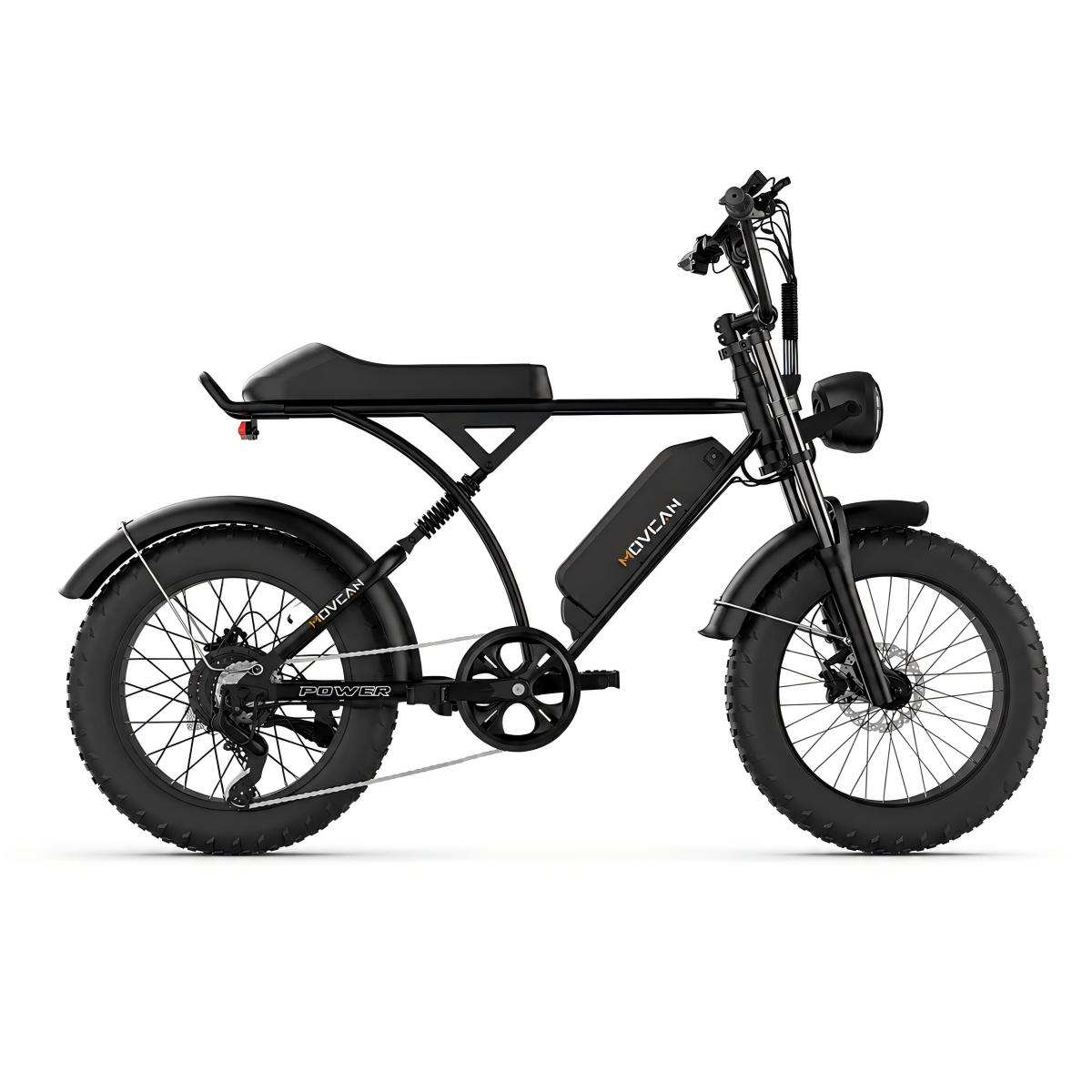
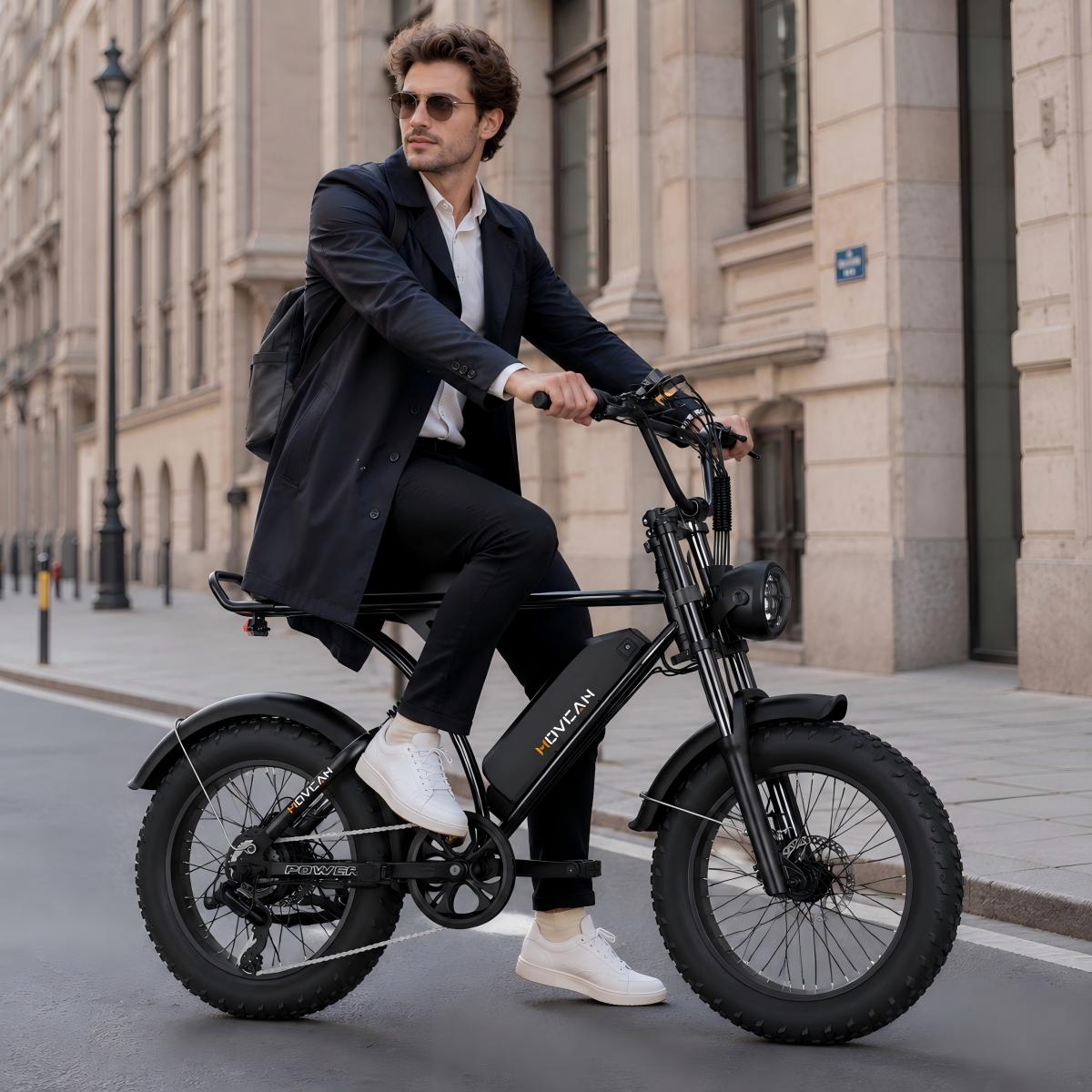
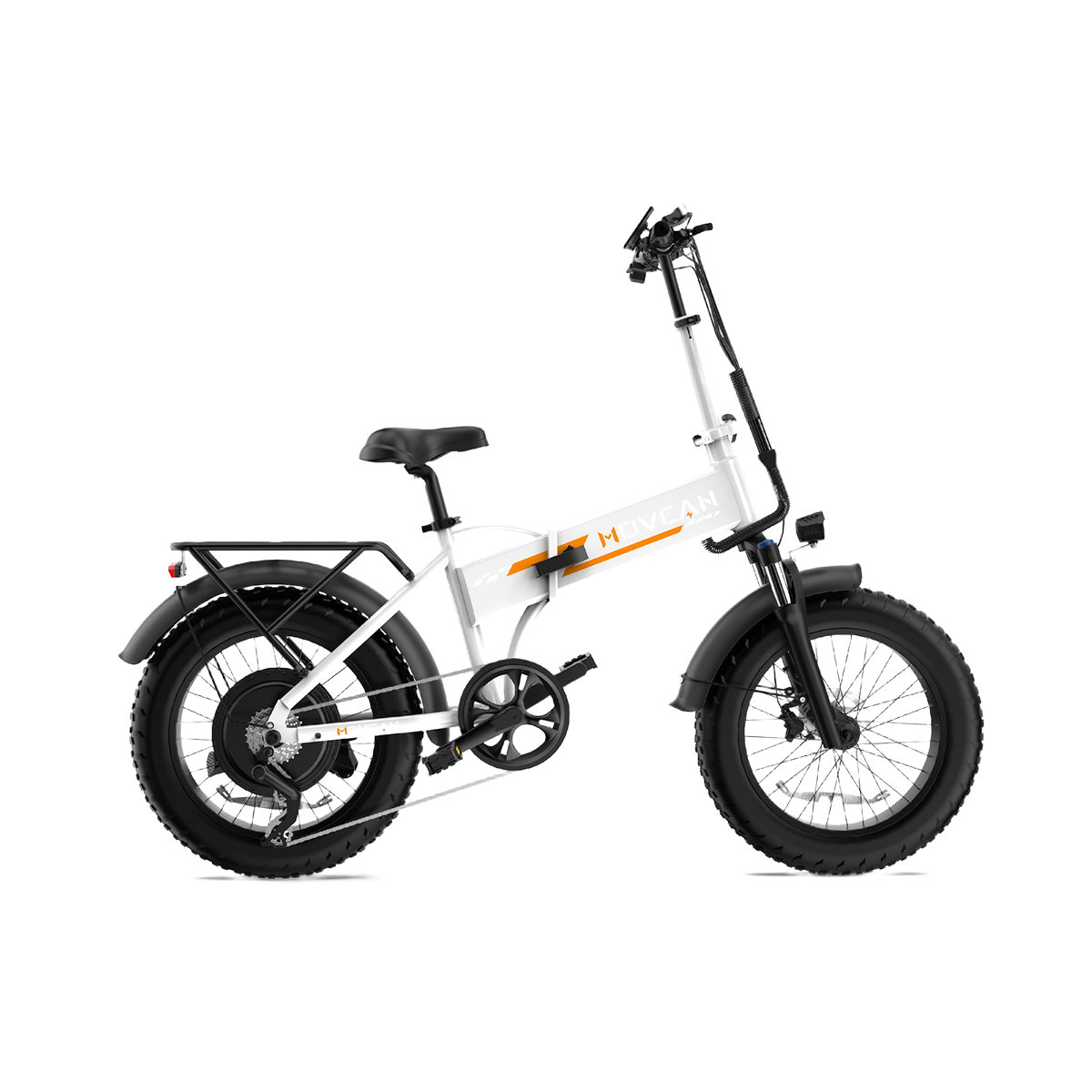
  • Movcan Q20 Electric Bike Movcan Q20 Electric Bike
    Save $620.00
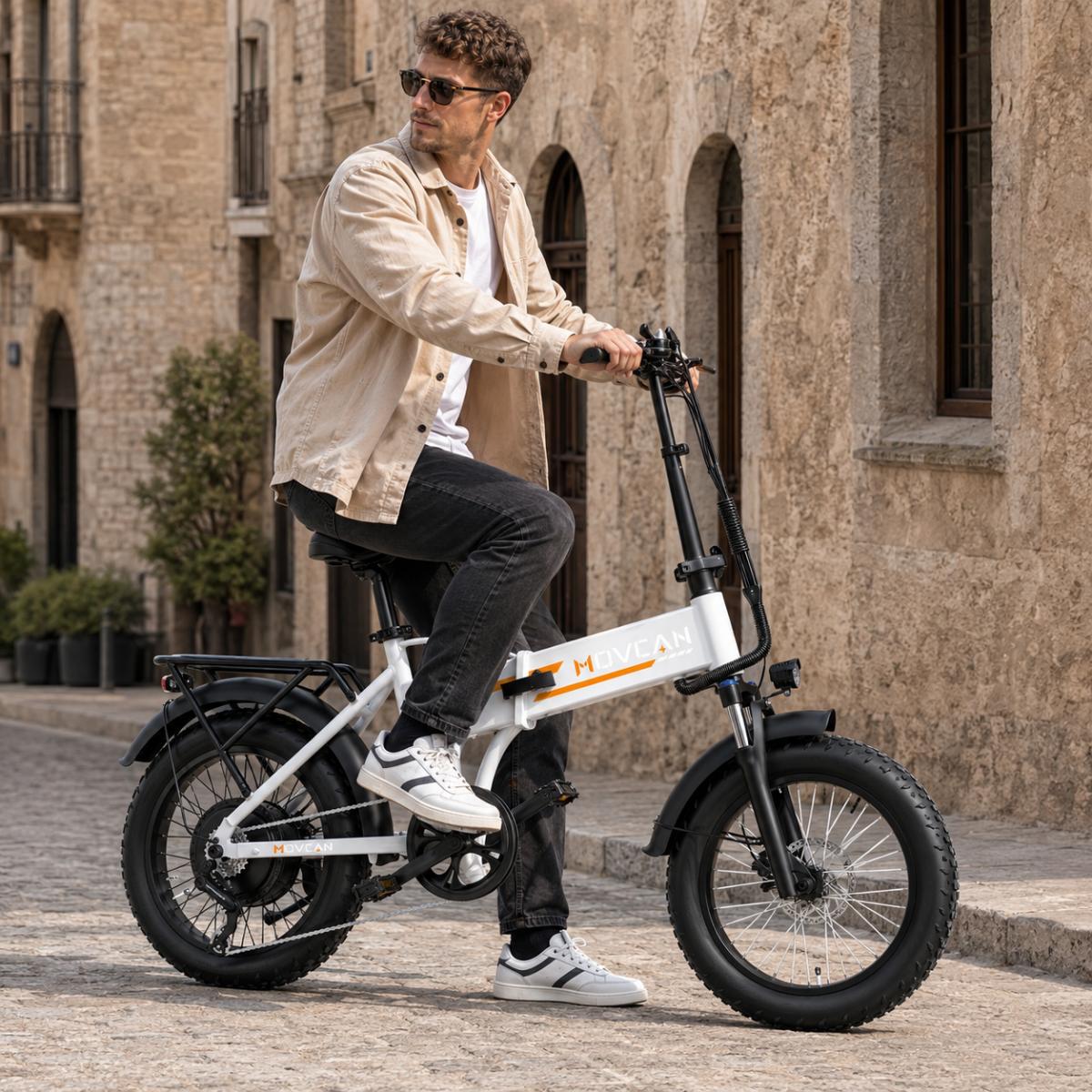
    Movcan Q20 Folding Electric Bike
    $679.00 USD
    $1,299.00 USD
  • Movcan V60 Pro Electric Bike Movcan V60 Pro Electric Bike
    Save $450.00
    Movcan V60 Pro Electric Bike
    $749.00 USD
    $1,199.00 USD
  • Movcan V80 Commuting Electric Bike Movcan V80 Commuting Electric Bike
    Save $260.00
    Movcan V80 Commuting Electric Bike
    $639.00 USD
    $899.00 USD
  • Movcan V30 Electric Bike Movcan V30 Electric Bike
    Save $560.00
    Movcan V30 Electric Bike
    $689.00 USD
    $1,249.00 USD
  • V20 Commuter Electric Bike V20 Commuter Electric Bike
    Save $200.00
    V20 Commuter Electric Bike
    $799.00 USD
    $999.00 USD

What Is a Commuter Electric Bike?

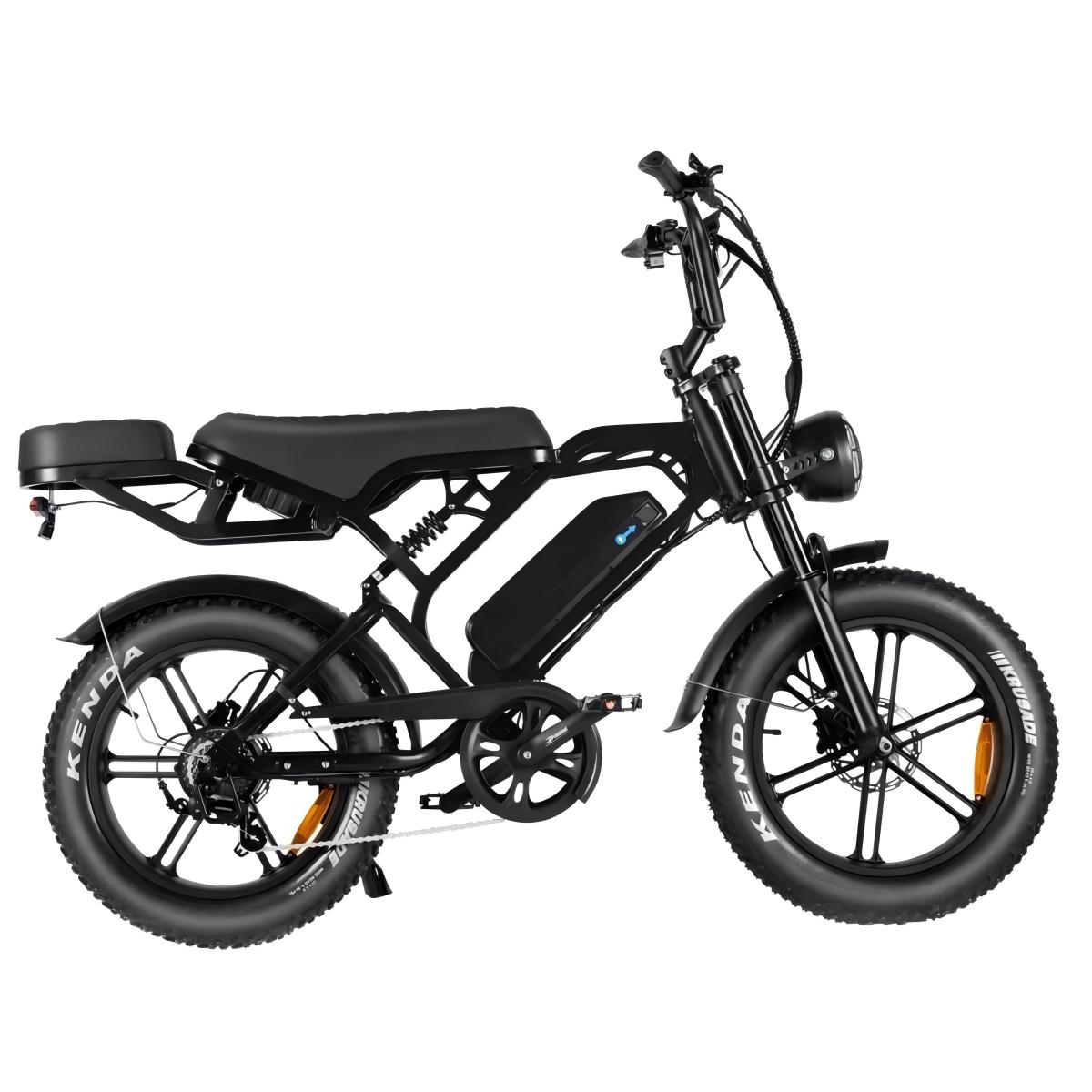
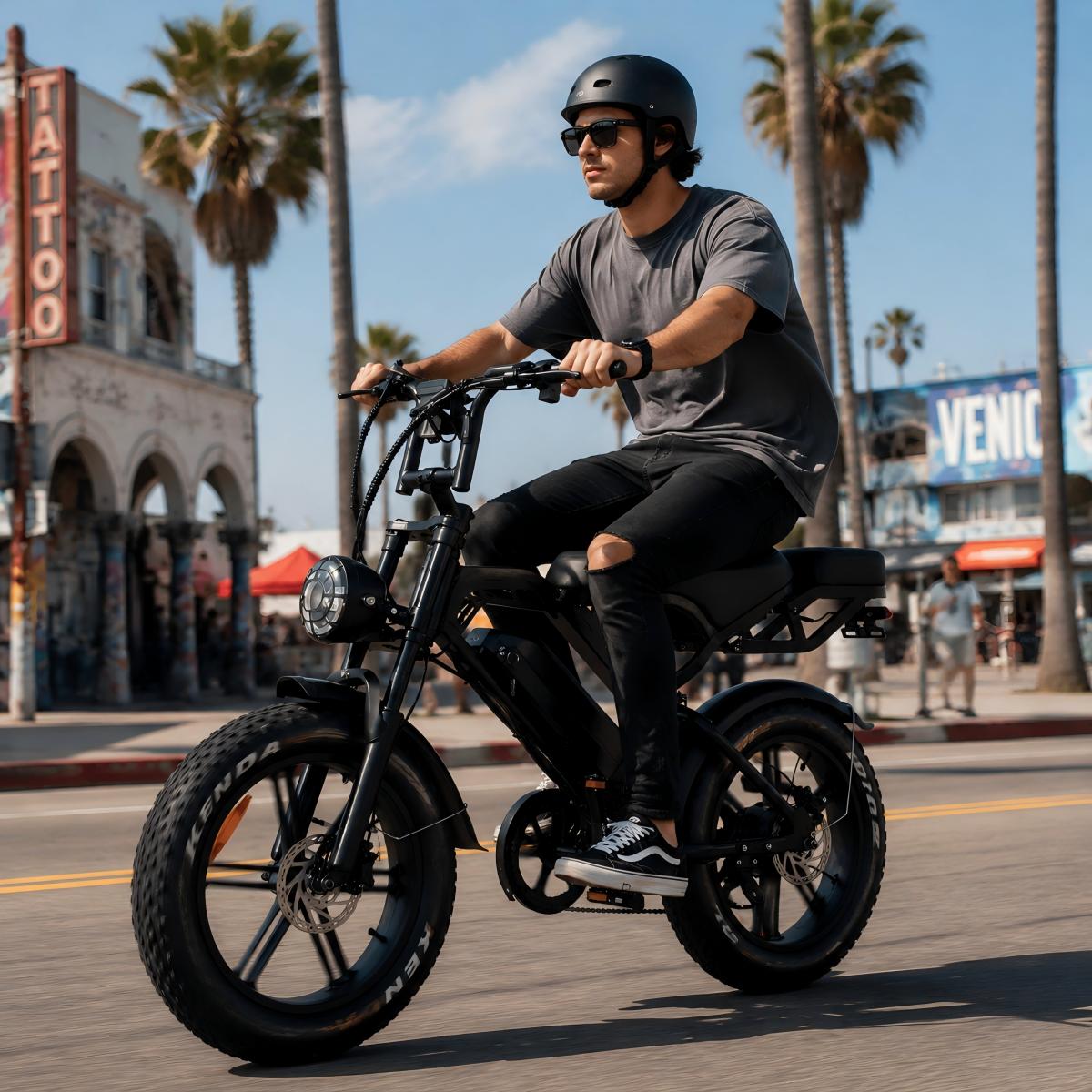
A commuter electric bike is an eBike designed primarily for repeat daily transportation such as work trips, city riding, errands, and neighborhood travel. Rather than following one fixed industry standard, an electric commuter bike typically balances practical range, comfortable handling, braking, storage, and road conditions according to the model.

A commuter eBike may use narrower tires for efficient paved-road travel or fat tires for extra stability on rougher streets and mixed surfaces. Some models add suspension for comfort, while folding designs focus more on storage and portability. The right electric bike for commuting depends on daily distance, hills, pavement quality, charging access, bike storage, and how much motor assistance the rider actually needs.

Commuter Priorities

What Matters Most for Daily Use?

Focus on a realistic round-trip range, predictable braking, comfort over repeated rides, road-appropriate tires, manageable storage, and a setup that fits your commute rather than simply choosing the highest motor number.

Explore All MOVCAN Electric Bikes

Why Choose an Electric Bike for Commuting?

Daily Travel Efficiency

Motor assistance can reduce effort on repeated work trips, hills, and stop-and-go city riding. A commuter eBike can make regular transportation more manageable without requiring every rider to prioritize maximum speed or maximum motor output.

Comfort for Regular Riding

Daily riders spend more time on the bike than occasional users, so seating position, tires, suspension, and road feel matter. A comfortable electric bike should match the pavement quality and riding time of the commute rather than only looking strong on a specification sheet.

Practical Range

A useful commuter range should cover the rider’s normal round trip with reserve. Manufacturer-listed maximum range can help compare models, but actual riding range changes with speed, terrain, rider weight, weather, tire pressure, battery condition, and riding mode.

Flexible Urban Use

City routes are not always smooth. Depending on the commute, riders may benefit from a lighter urban setup, fat tires for rough pavement, stronger performance for hills, or a folding frame when apartment, RV, or vehicle storage is limited.

Compare MOVCAN Commuter Electric Bikes

This comparison focuses on how each model fits a commuting need rather than repeating full product specifications. Use the current product page for detailed motor, battery, speed, range, dimensions, and component information.

MOVCAN commuter eBike positioning by daily riding need
Model Positioning Best For Main Advantage
MOVCAN V80 Commuting Electric Bike Urban Commuter Everyday City Commuting Practical Daily Usability
MOVCAN V30 Electric Bike Versatile Commuter City + Mixed Routes Balance of Performance and Usability
MOVCAN EB60 Electric Bike Comfort Commuter Longer Daily Rides Comfort and Range-Focused Usability
MOVCAN V60 Electric Bike Fat-Tire Commuter Rougher Urban Roads and Mixed Surfaces Stability and Ride Comfort
MOVCAN V60 Pro Electric Bike Performance Commuter Commuters Who Want Stronger Performance Performance + Daily Usability
MOVCAN Q20 Folding Electric Bike Folding Commuter Limited Storage, RV Use, Flexible Commuting Folding Portability

Actual riding range and performance vary based on rider weight, terrain, riding mode, weather, tire pressure, battery condition and other factors. For current specifications, use the individual MOVCAN product pages.

Which MOVCAN Commuter Electric Bike Is Right for You?

For Everyday City Commuting

MOVCAN V80

For everyday city commuting, the MOVCAN V80 is a practical option within the MOVCAN lineup. Its positioning is centered on regular city transportation and daily usability, making it a useful starting point for riders who want a commuter-focused eBike rather than a performance-first platform.

For Mixed City and Rougher Roads

MOVCAN V30 / V60

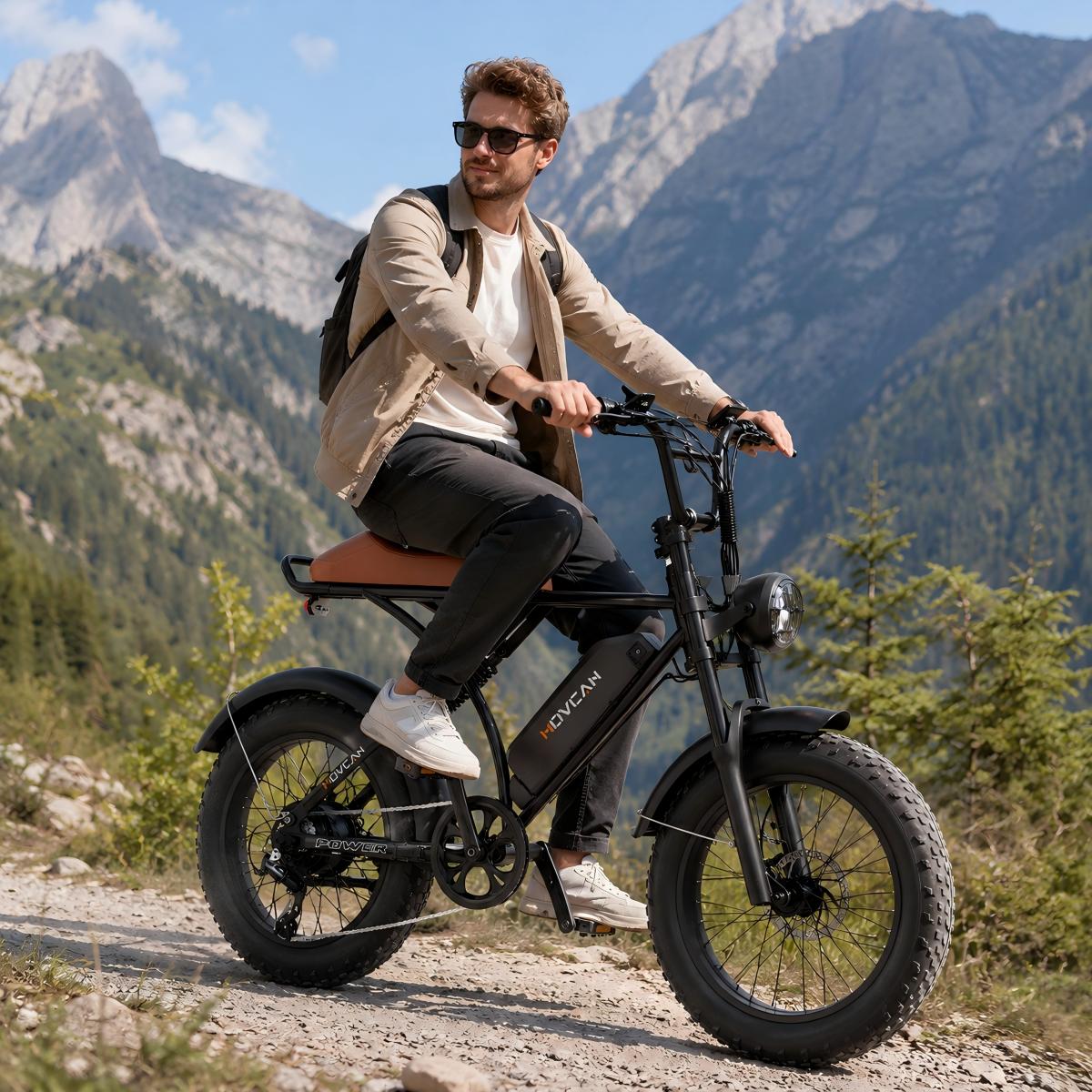
For routes that mix city streets with rougher pavement or other varied surfaces, consider the V30 or V60. The V30 balances commuting and broader everyday riding, while the fat-tire V60 is better suited to riders who value added stability and comfort on less consistent road surfaces.

For Longer Daily Rides and Comfort

MOVCAN EB60

For longer daily rides where comfort and practical range matter, the EB60 is positioned as the comfort-focused commuter choice in this collection. It is a useful option for riders who want an eBike for regular transportation without making maximum performance the primary buying priority.

For Commuters Who Want More Performance

MOVCAN V60 Pro

For commuters who want stronger performance, the V60 Pro is better suited within the MOVCAN lineup. It combines commuter usability with a performance-oriented fat-tire platform, making it useful for longer routes, hills, rougher roads, and riders who want more capability than a basic city eBike.

For Limited Storage or RV Travel

MOVCAN Q20

For limited storage, RV travel, or riders who need more flexibility when transporting an eBike, consider the Q20. Its folding frame is the main advantage, while the fat-tire platform keeps it suitable for urban commuting and weekend use beyond smooth city pavement.

How to Choose the Right Commuter eBike

Start With Your Daily Distance

Estimate your normal round-trip mileage before comparing bikes. A short city commute may not require the same battery capacity as a longer work route. Build in reserve instead of planning around the maximum advertised range, especially if you cannot charge at work. Frequent high-speed riding, hills, cold weather, rider weight, and heavy motor assistance can all reduce real-world distance.

Consider Your Route and Road Conditions

Smooth city streets, steep hills, rough pavement, gravel connectors, and mixed surfaces place different demands on a commuter eBike. Riders on consistent pavement may value easier handling, while rougher urban roads can make fat tires or suspension more useful. The V60 and V60 Pro are better suited to riders who regularly encounter rougher surfaces than a purely city-focused commuter.

Think About Ride Comfort

Commuting means repeating the same ride many times, so comfort matters over weeks and months. Consider riding position, seat comfort, suspension, tire volume, and how long you spend on the bike each day. A feature that feels unnecessary on a five-minute test ride may matter on a longer daily route, but additional suspension and larger tires can also add weight.

Compare Battery Capacity and Practical Range

Battery size is useful, but it should be considered together with the route. More capacity can support longer trips, yet actual range depends on rider weight, terrain, speed, riding mode, temperature, tire pressure, stop-and-go traffic, and battery condition. Compare your commute with realistic reserve rather than assuming the highest manufacturer-listed figure will apply to every ride.

Consider Storage and Portability

Think about where the bike will be parked at home, at work, and during errands. Full-size fat-tire eBikes may offer comfort and stability but take more space. Riders in apartments, RVs, or homes with limited storage may prefer a folding commuter eBike such as the Q20. Also check total bike weight before assuming a folding bike will be easy to carry.

Electric bike regulations vary by state and local jurisdiction. Riders should check applicable local laws before riding.

Commuter eBike vs Other Electric Bike Types

Commuter vs Fat Tire Electric Bike

A commuter eBike prioritizes practical daily transportation, while a fat tire electric bike emphasizes stability, traction, and cushioning on rougher or mixed surfaces. The categories can overlap: the V60 and V60 Pro can serve commuters who prefer a fat-tire setup. Neither type is automatically better; choose based on road conditions, storage, weight, and daily riding purpose.

Fat Tire Electric Bikes

Commuter vs High Performance Electric Bike

A commuter electric bike is organized around repeat daily use, while a high performance electric bike places more emphasis on motor output, speed capability, larger batteries, or demanding terrain. Riders with straightforward city routes may not need the additional performance. Riders with hills, longer distances, or rougher mixed routes may value it more.

High Performance Electric Bikes

Commuter vs Folding Electric Bike

A folding electric bike prioritizes storage and transportation. A conventional commuter may offer a simpler fixed-frame layout, while a folding model can be better suited to apartments, RVs, or vehicle transport. The Q20 sits at this intersection by combining commuter use with folding portability and a fat-tire platform.

Folding Electric Bikes

Frequently Asked Questions About Commuter Electric Bikes

What is a commuter electric bike?

A commuter electric bike is an eBike designed primarily for regular transportation such as work trips, city riding, errands, and other repeat daily routes. Compared with more specialized electric bikes, commuter models typically emphasize practical handling, useful range, predictable comfort, braking, and everyday storage. Depending on the model, a commuter eBike may also use fat tires, suspension, or a folding frame when the rider needs more stability, rough-road comfort, or portability.

Are electric bikes good for daily commuting?

Yes, electric bikes can be practical for daily commuting because motor assistance can reduce effort on longer routes, hills, and repeated stop-and-go riding. The right setup depends on commute distance, road quality, storage, charging access, and local regulations. Riders should compare realistic battery range, tire type, comfort, braking, bike weight, and whether the eBike can be stored securely at home and at work.

What is the best type of eBike for commuting?

The best-suited type depends on the route. A conventional commuter eBike is usually practical for regular paved-road travel, while a fat tire model can be better suited to rough pavement or mixed surfaces. A folding eBike can make more sense when storage is limited or the bike must travel in an RV or vehicle. Choose around your actual commute rather than assuming one category is ideal for everyone.

How far should a commuter electric bike be able to travel?

A commuter eBike should comfortably cover your normal round-trip distance with extra reserve rather than relying on the maximum advertised range. Manufacturer-listed range can help compare models, but actual riding distance varies with rider weight, terrain, speed, riding mode, weather, tire pressure, battery condition, and other factors. For regular commuting, also consider how often you can charge at home or work.

Are fat tire electric bikes good for commuting?

Fat tire eBikes can work well for commuting when roads are rough, broken, uneven, or mixed with gravel and other surfaces. Wider tires can add stability, traction, and cushioning, but they also increase weight and rolling resistance. Riders on smooth urban pavement may prefer a more commuter-focused setup, while riders dealing with rougher roads may value the extra stability of models such as the V60 or V60 Pro.

Is a folding electric bike good for commuting?

Yes, a folding electric bike can be useful for commuting when storage and transportation matter. Folding designs can fit more easily into apartments, RVs, garages, or vehicles than many fixed-frame bikes. Within the MOVCAN lineup, the Q20 is positioned for flexible commuting, limited storage, and RV use. Buyers should still check the bike’s overall weight and folded dimensions before deciding how they will lift and store it.

What should I look for in an electric commuter bike?

Focus on daily distance, realistic range, route conditions, braking, comfort, tire type, storage, and charging access. Motor performance matters, but more power is not automatically better for every commute. City riders may value predictable handling and easy storage, while riders facing hills, rough pavement, or longer routes may prefer stronger motor assistance, larger batteries, fat tires, or suspension. Local electric bike rules should also be checked before riding.

Which MOVCAN commuter electric bike is right for me?

Choose based on your commute rather than one headline specification. The V80 is a practical option for everyday city commuting; the V30 suits riders who want a balance of performance and daily usability; the V60 is better suited to rougher urban roads and mixed surfaces; the V60 Pro adds stronger performance; the EB60 emphasizes comfort for longer daily rides; and the Q20 is the folding choice for limited storage or RV travel.


Cart

loading