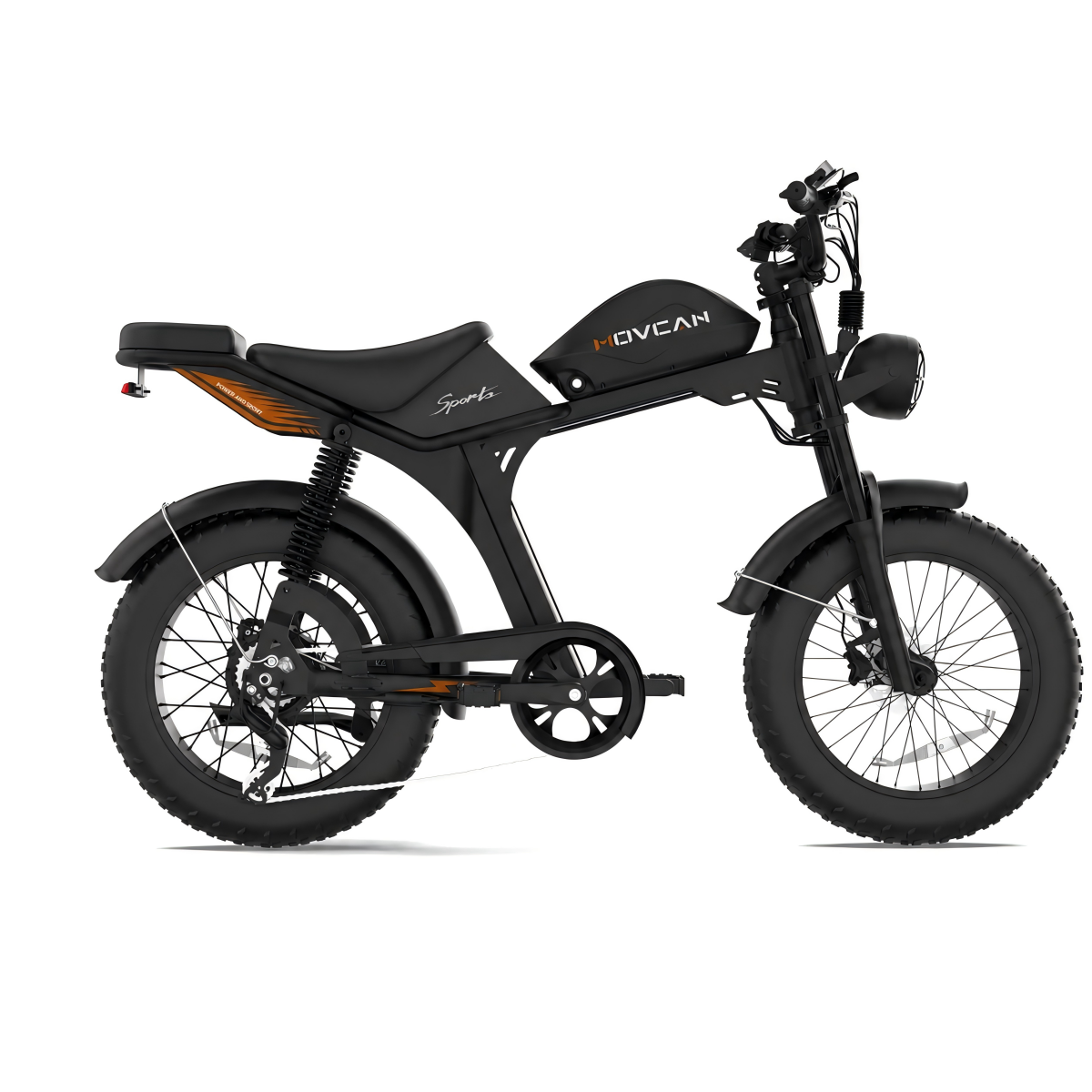
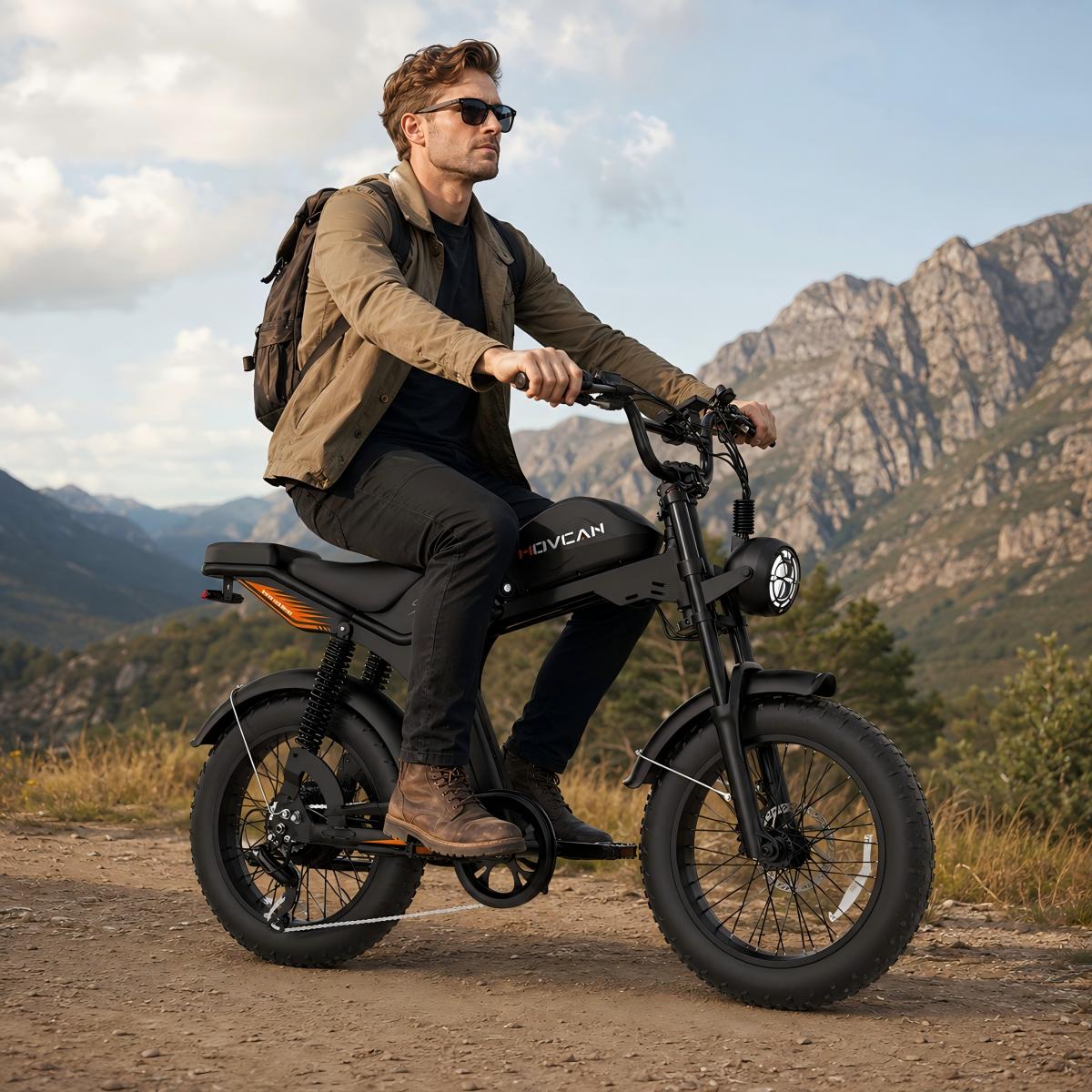
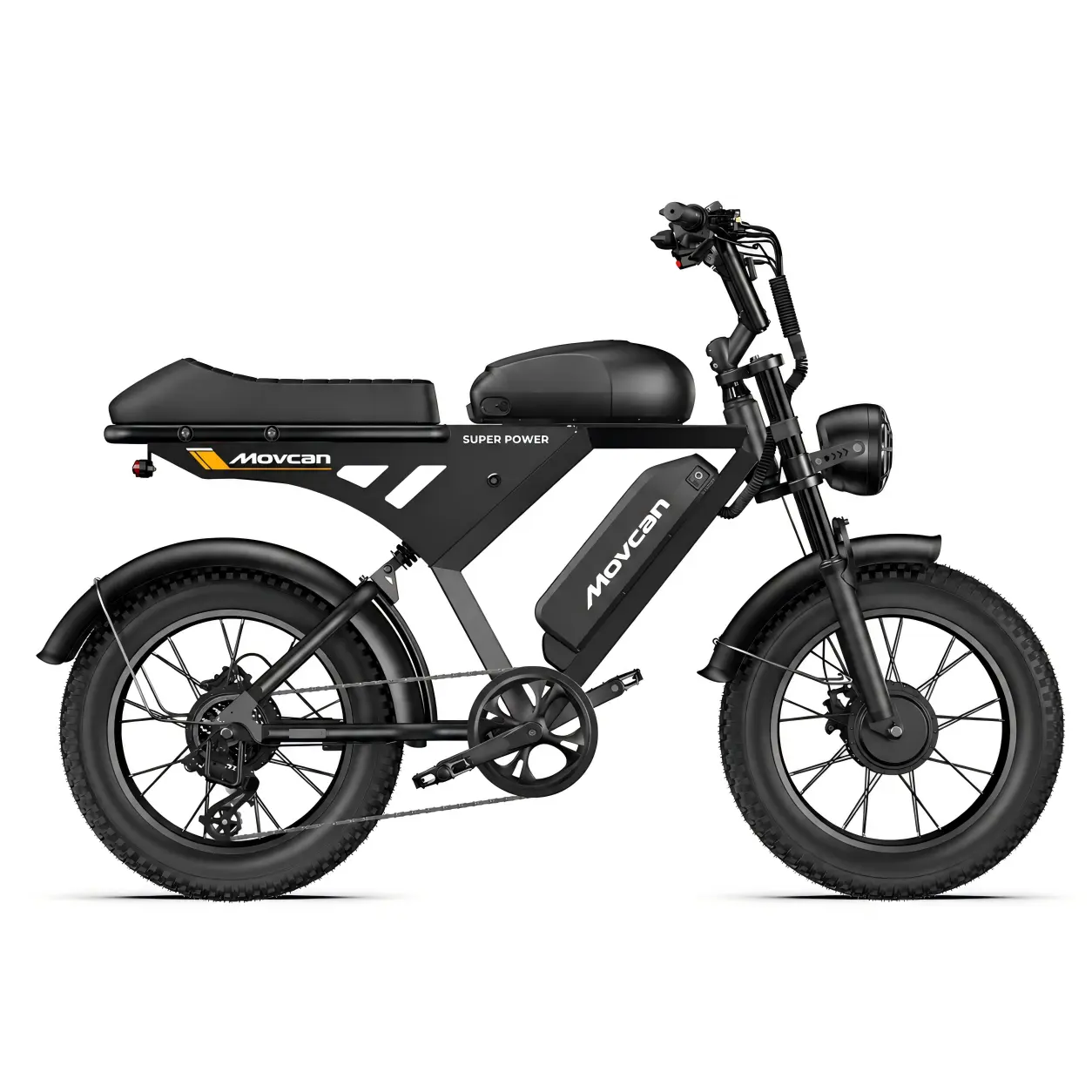
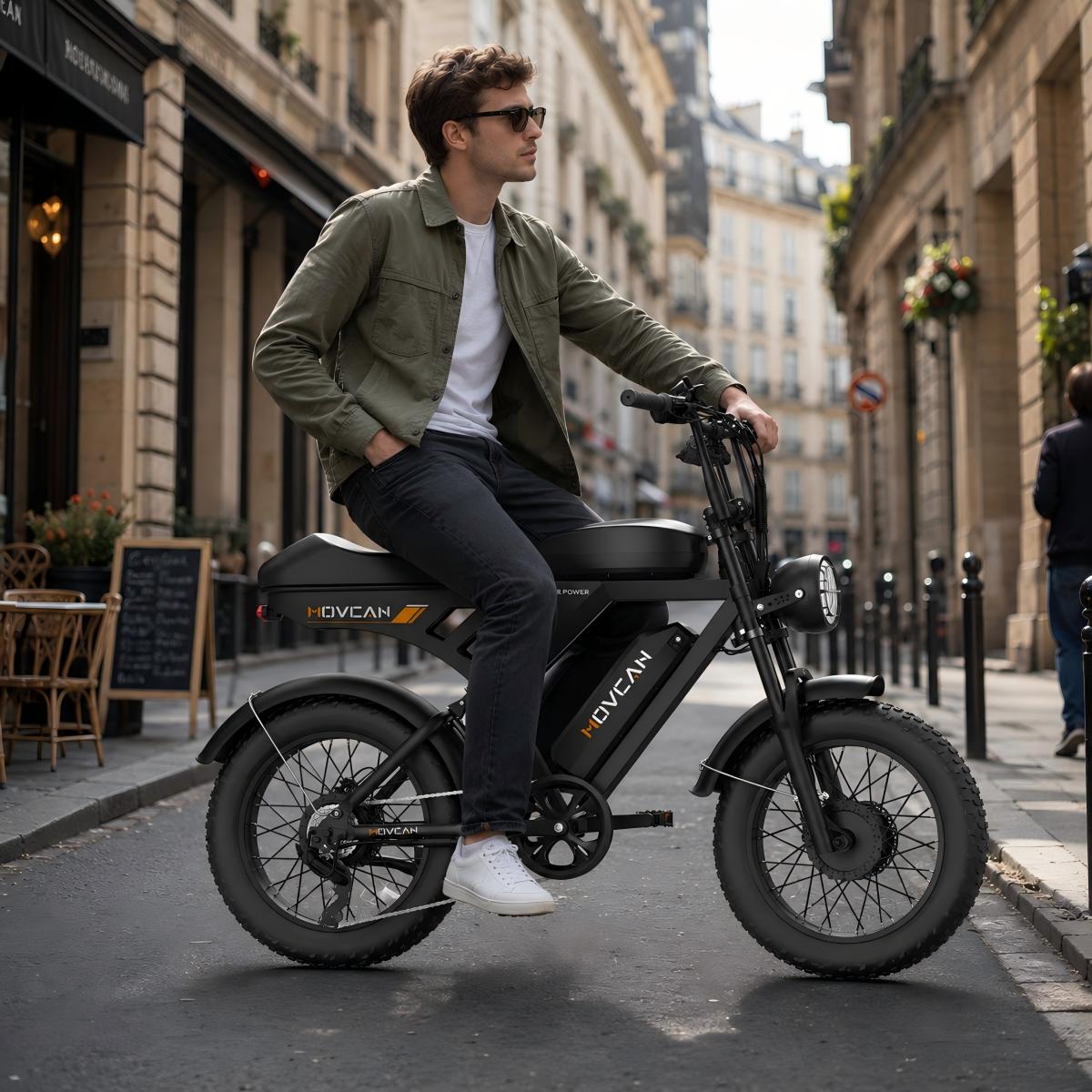
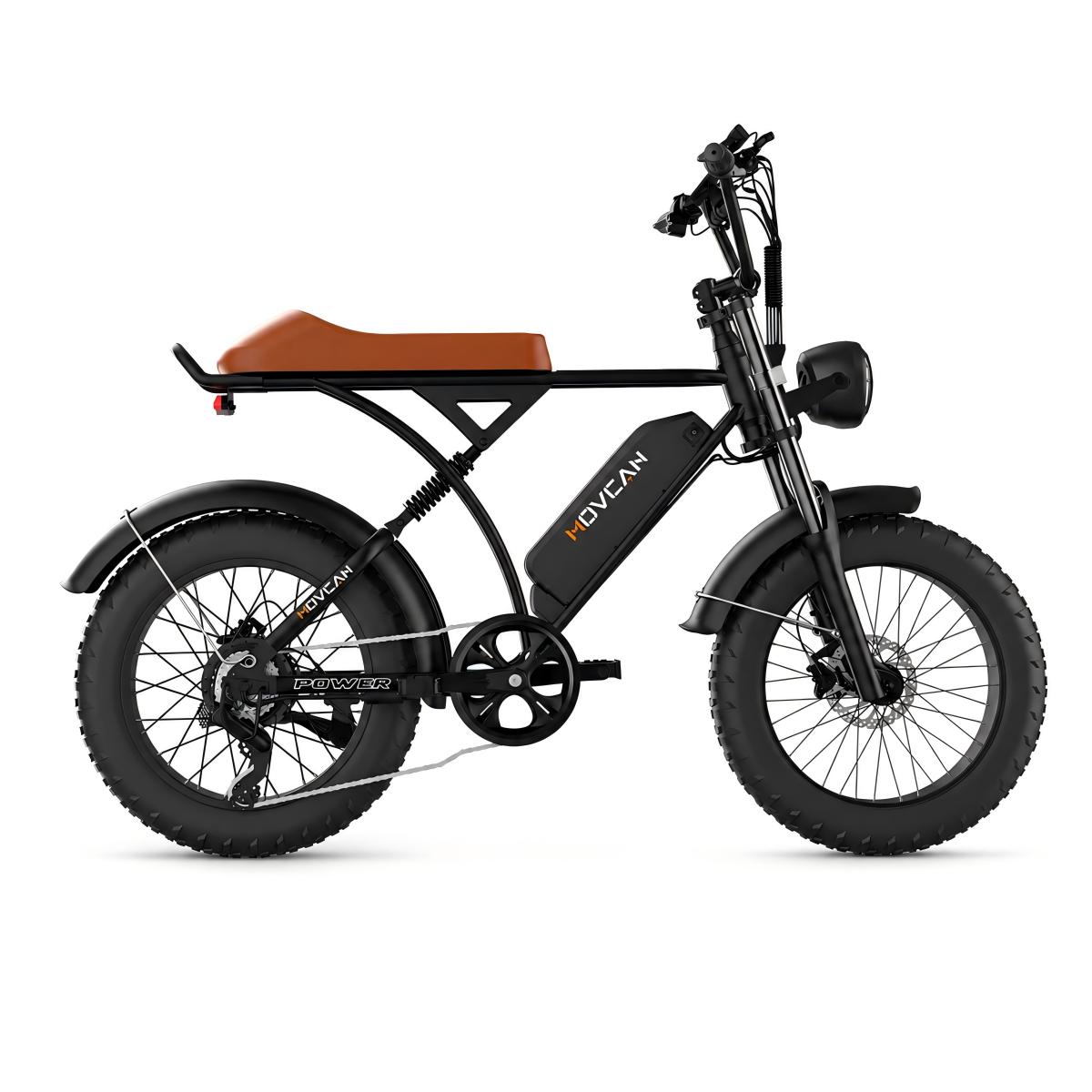
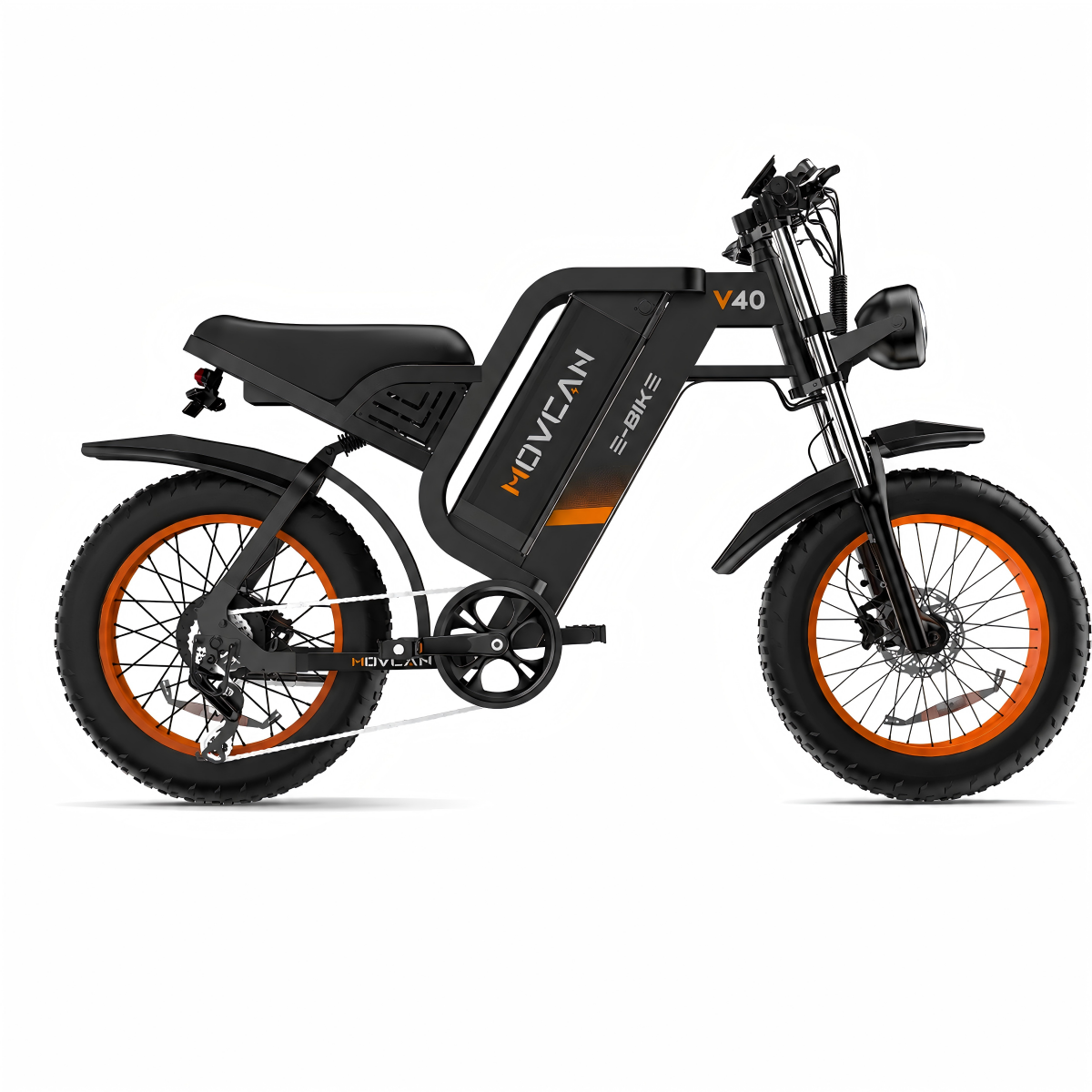
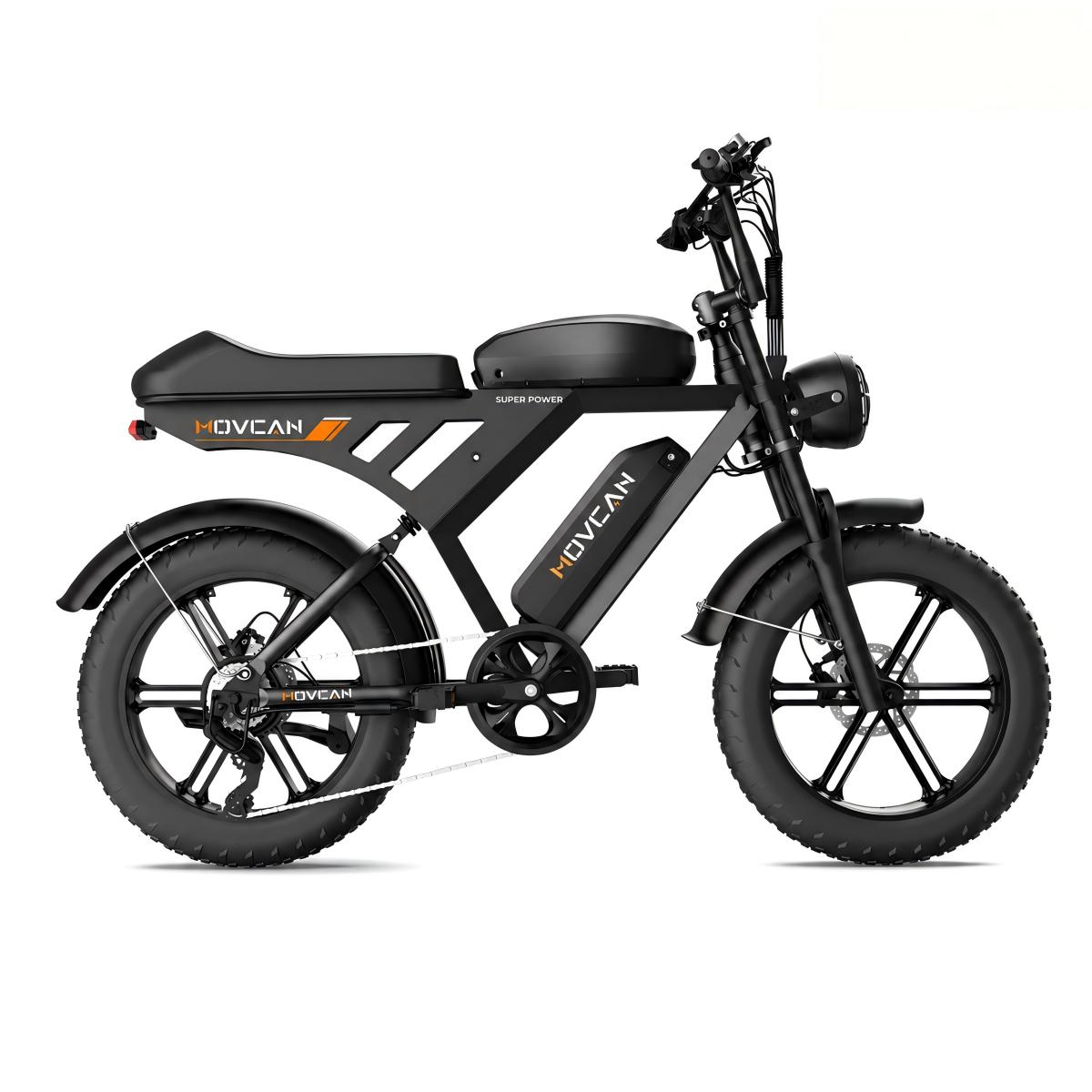
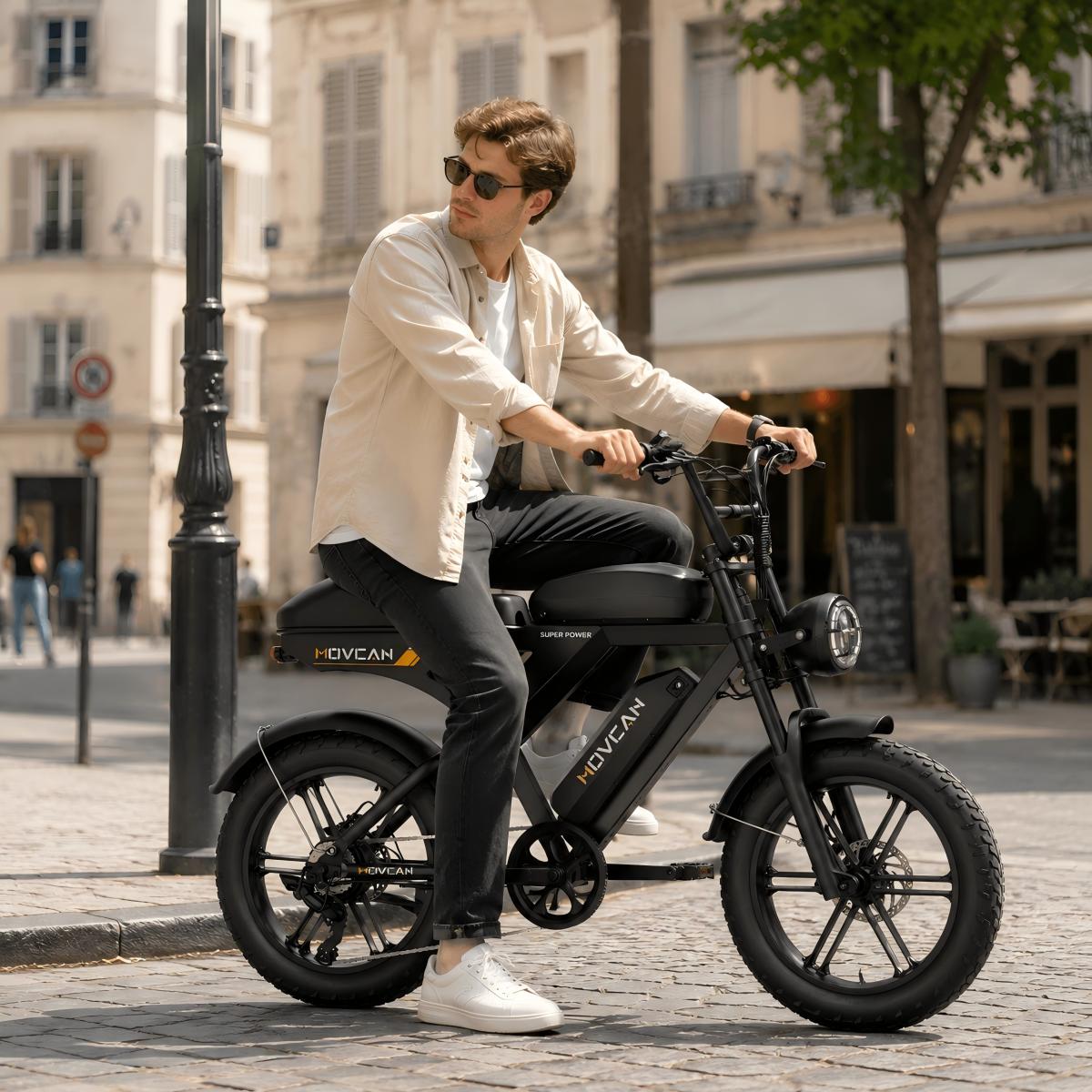
What is a high performance electric bicycle?
A high performance electric bicycle is generally an eBike designed with stronger motor output, larger battery capacity, capable braking, and hardware suited to higher-demand riding. Depending on the model, it may also include fat tires, full suspension, dual motors, or extended-range batteries. There is no single universal legal definition of “high performance,” so riders should compare actual specifications, intended use, and local riding rules rather than relying on the label alone.
What should I look for in a high performance electric bike?
Start with motor configuration, battery capacity, manufacturer-listed range, braking system, suspension, tire size, and the terrain you expect to ride. A powerful motor can improve acceleration and hill response, while a larger battery can support longer trips. Hydraulic brakes, suitable tires, and suspension become increasingly important as bike weight, speed, and terrain demands increase. Fit, total bike weight, local regulations, storage, and service needs also matter.
How fast can a high performance electric bicycle go?
Speed varies by model rather than by a single high-performance standard. In this MOVCAN comparison, manufacturer-listed top speeds range from up to 32 MPH on the V30 Max to up to 37.5 MPH on the V30 Pro Max. Actual speed can vary with rider weight, battery charge, terrain, wind, tire pressure, riding mode, and other conditions. Electric bike regulations vary by state and local jurisdiction, so riders should check applicable laws before riding.
Are dual-motor electric bikes considered high performance?
Dual-motor electric bikes are commonly performance-oriented because two motors can provide stronger combined output and additional traction, but motor count alone does not define overall performance. Battery capacity, controller tuning, brakes, tires, suspension, weight, and intended use also matter. Within this MOVCAN collection, the V30 Pro Max uses a dual-motor system with manufacturer-listed 3000W total peak power and is positioned for riders who prioritize stronger power delivery and demanding mixed-terrain riding.
Are high performance electric bikes good for commuting?
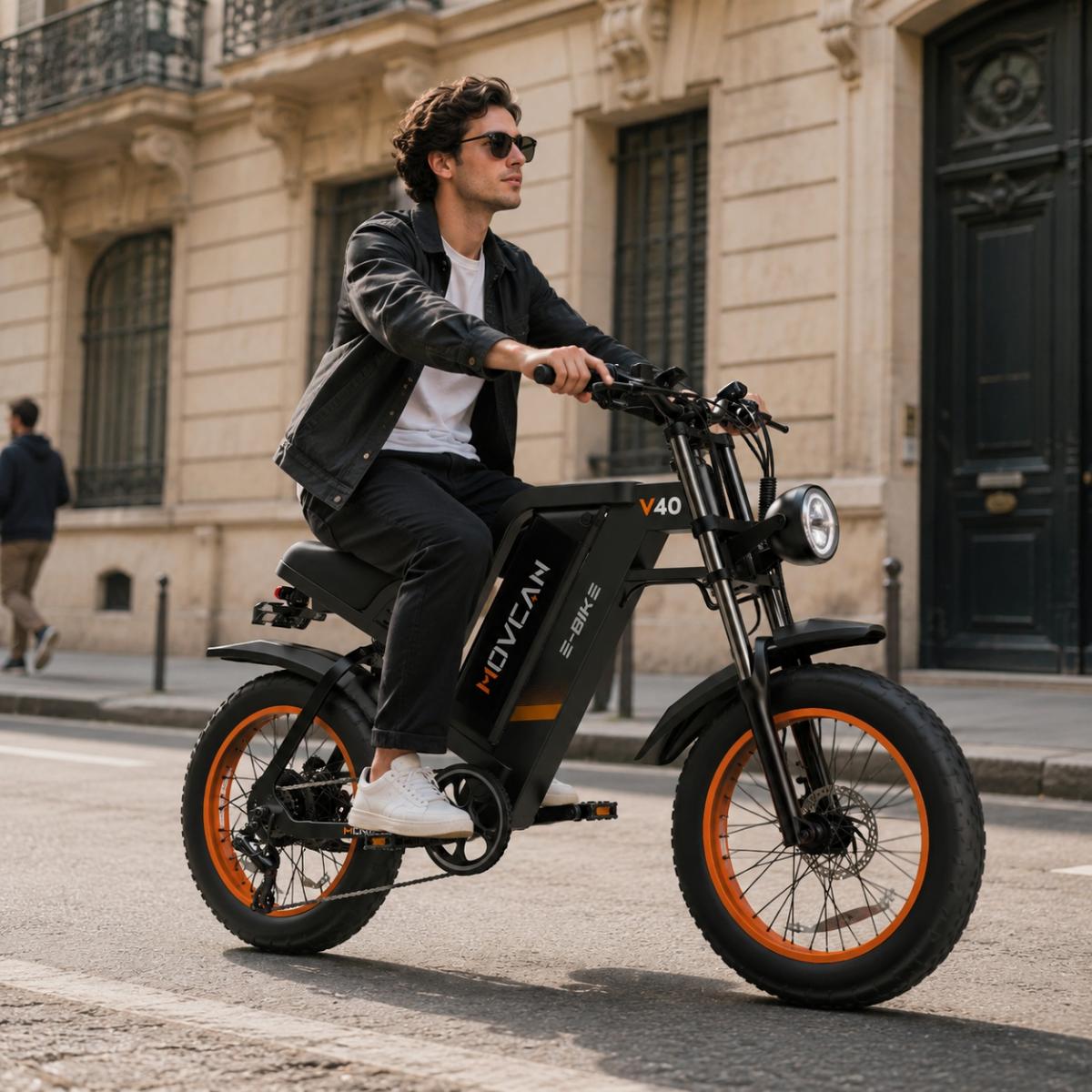
They can be good commuting bikes when their size, range, comfort, and local riding rules fit the route. A performance eBike may be useful for longer commutes, hills, rough pavement, or riders who want stronger acceleration. The trade-offs can include more weight and a larger frame than a basic commuter. For everyday use, consider storage, battery charging, maneuverability, braking, route conditions, and how much motor performance you actually need.
What is the best MOVCAN high performance electric bike for long-range riding?
For maximum manufacturer-listed range within these five MOVCAN models, the V70 is a strong starting point because MOVCAN lists up to 124 miles. The V30 Pro Max and V30 Max are also listed at up to 120 miles and use dual-battery configurations. The right choice still depends on whether you prioritize motor performance, battery configuration, comfort, or mixed-terrain capability. Advertised range is an estimate and can vary substantially with riding conditions.
Are high performance electric bicycles suitable for off-road riding?
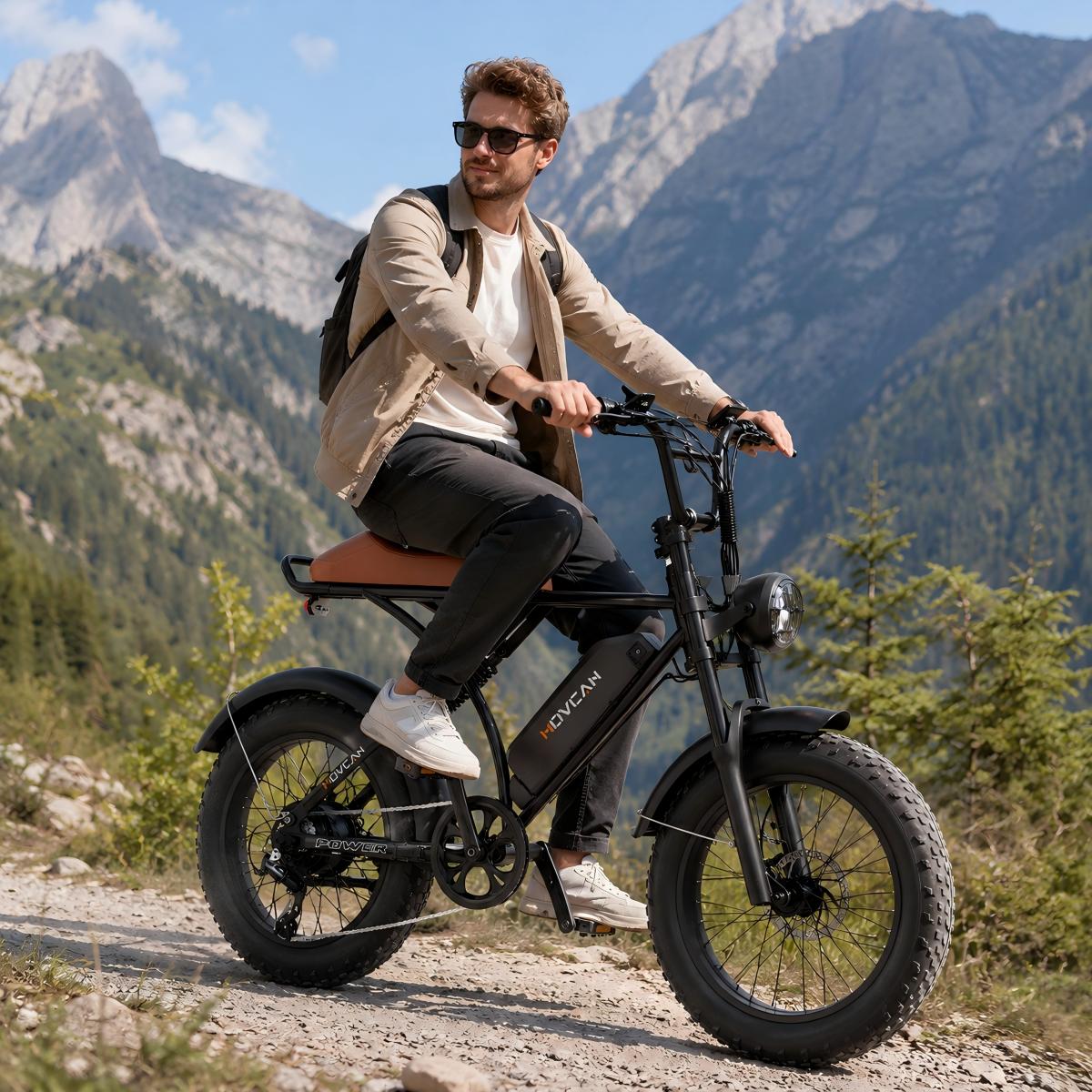
Some high performance electric bicycles are suitable for recreational mixed-terrain and off-road use when their equipment matches the terrain. Fat tires can add traction and cushioning on gravel and uneven surfaces, while suspension can help manage bumps and hydraulic brakes can improve control. The MOVCAN models compared here use performance-oriented fat-tire configurations, but “off-road” covers many terrain types. Riders should match the bike to the trail, their skill level, and local land-use rules.
What is the difference between a high performance eBike and a standard commuter eBike?
A high performance eBike generally emphasizes greater motor output, battery capacity, range, suspension, braking capability, or mixed-terrain hardware. A standard commuter eBike may instead prioritize lower weight, simplicity, efficiency, portability, and moderate urban speeds. Neither format is automatically better. Riders with short, smooth city routes may prefer a lighter commuter, while hills, longer distances, rough roads, or recreational riding can make performance-oriented hardware more useful.
Are fat tires useful on a performance electric bike?
Yes. Fat tires can be useful when stability, traction, and mixed-surface capability are priorities. Wider tires create a larger contact patch and can help on gravel, dirt, grass, and uneven pavement while adding some cushioning. They also add rolling resistance and weight compared with narrower commuter tires. The MOVCAN performance models in this comparison use fat-tire configurations intended to support a broader mix of paved roads and recreational riding surfaces.
How do battery size and motor power affect electric bike performance?
Motor power influences acceleration, hill response, and the amount of assistance available under load, while battery capacity influences how much stored energy the bike can use between charges. More motor power can also consume energy faster when used aggressively, so a larger motor does not automatically mean longer range. Compare motor output and battery capacity together, then consider rider weight, speed, terrain, assist level, temperature, tire pressure, battery condition, and riding style.