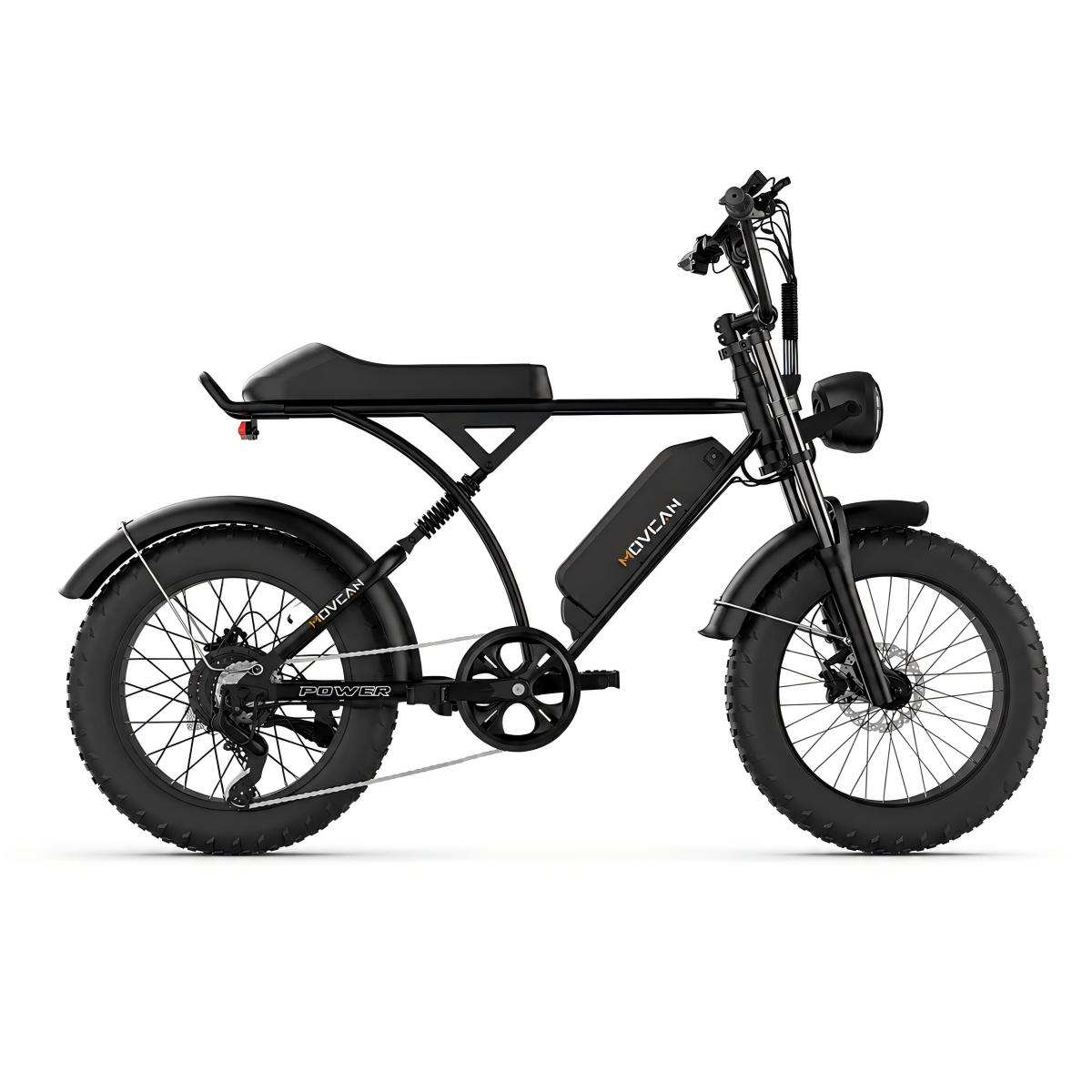
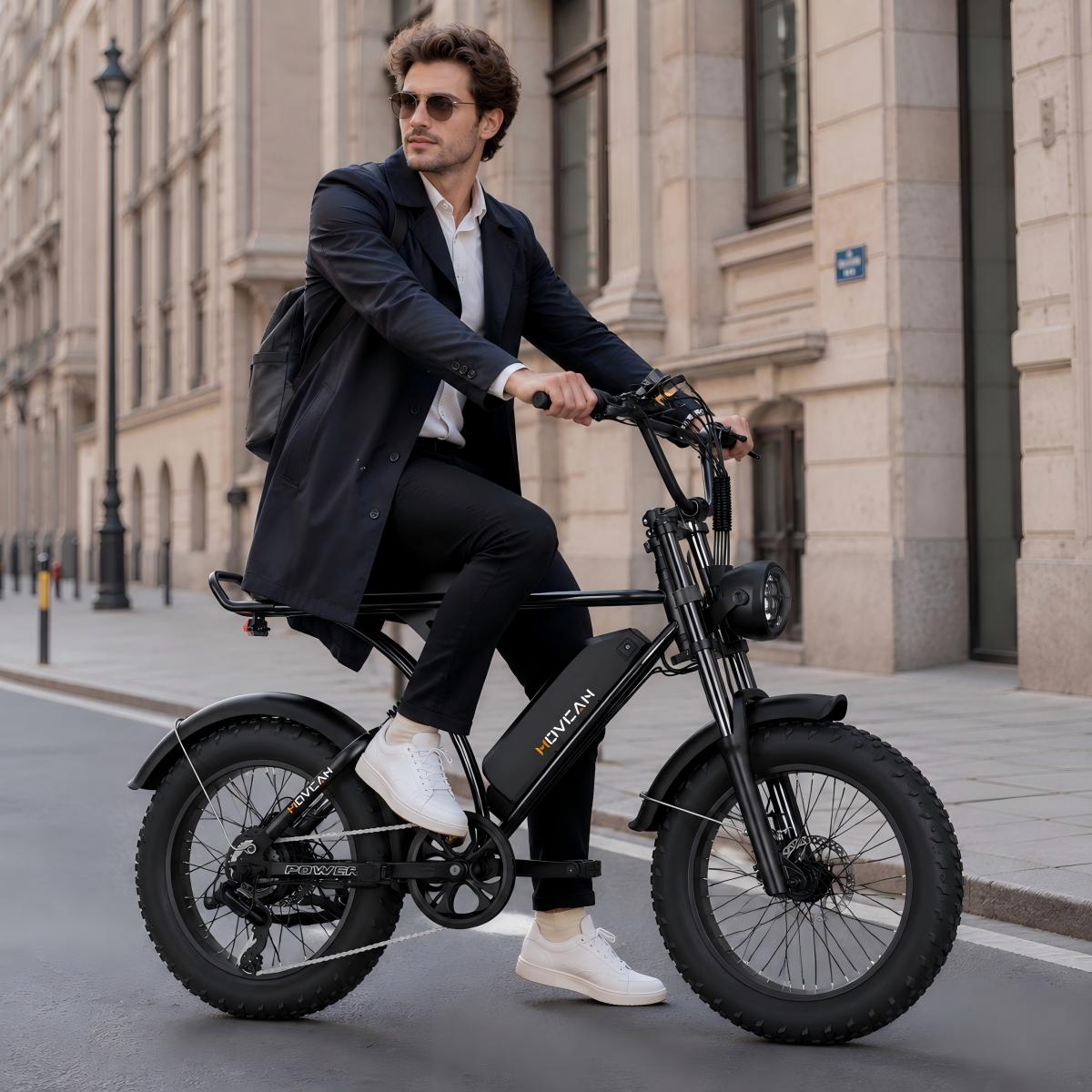
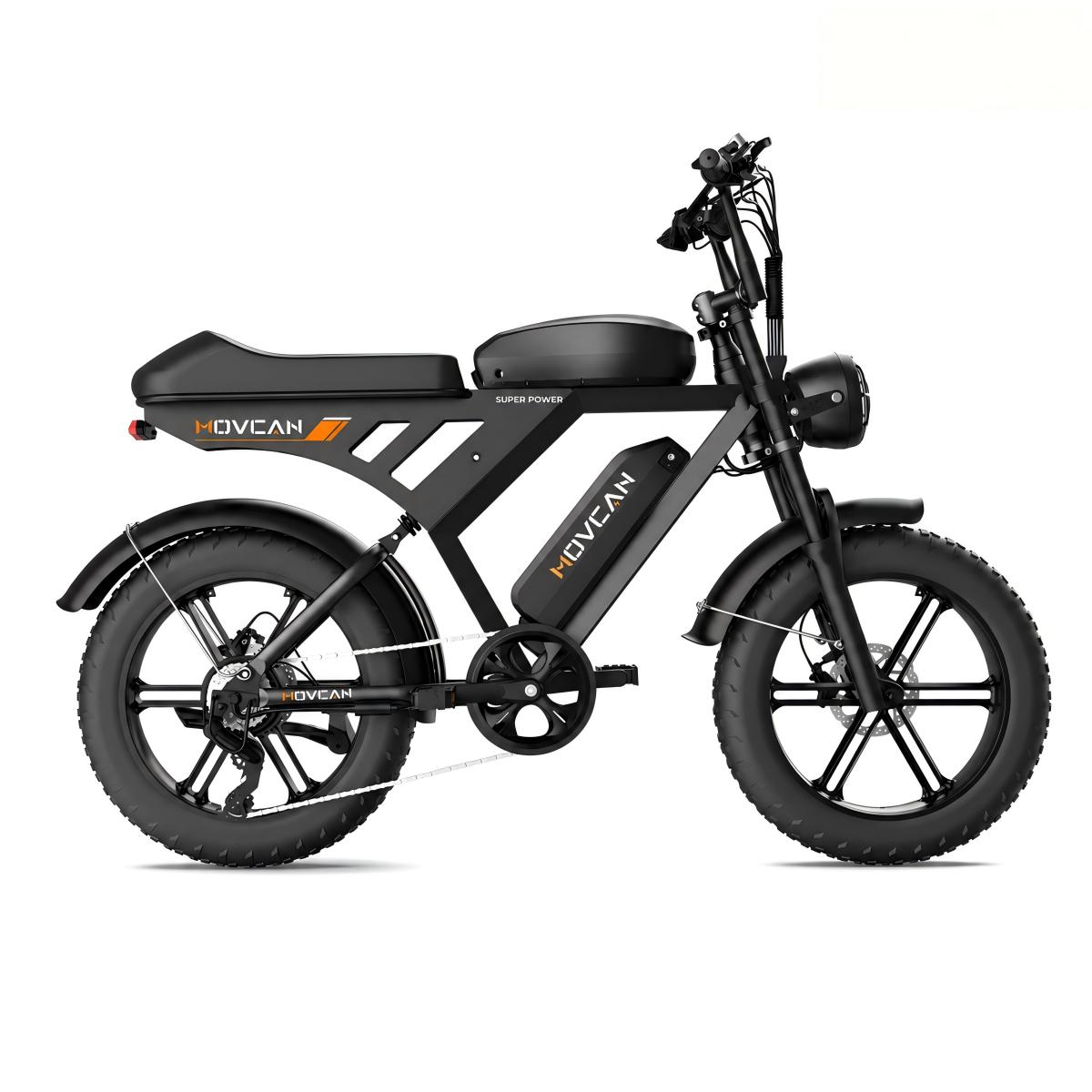
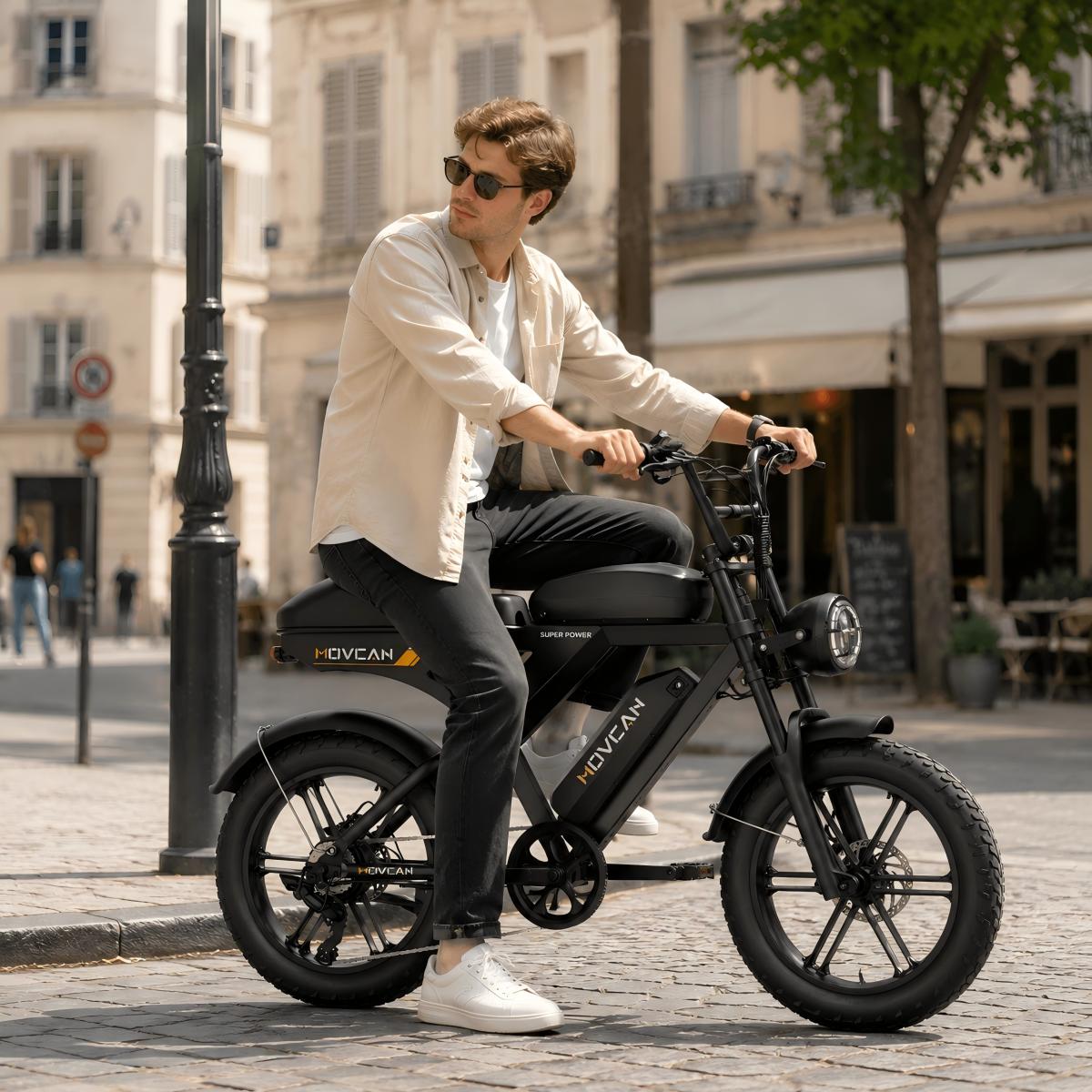
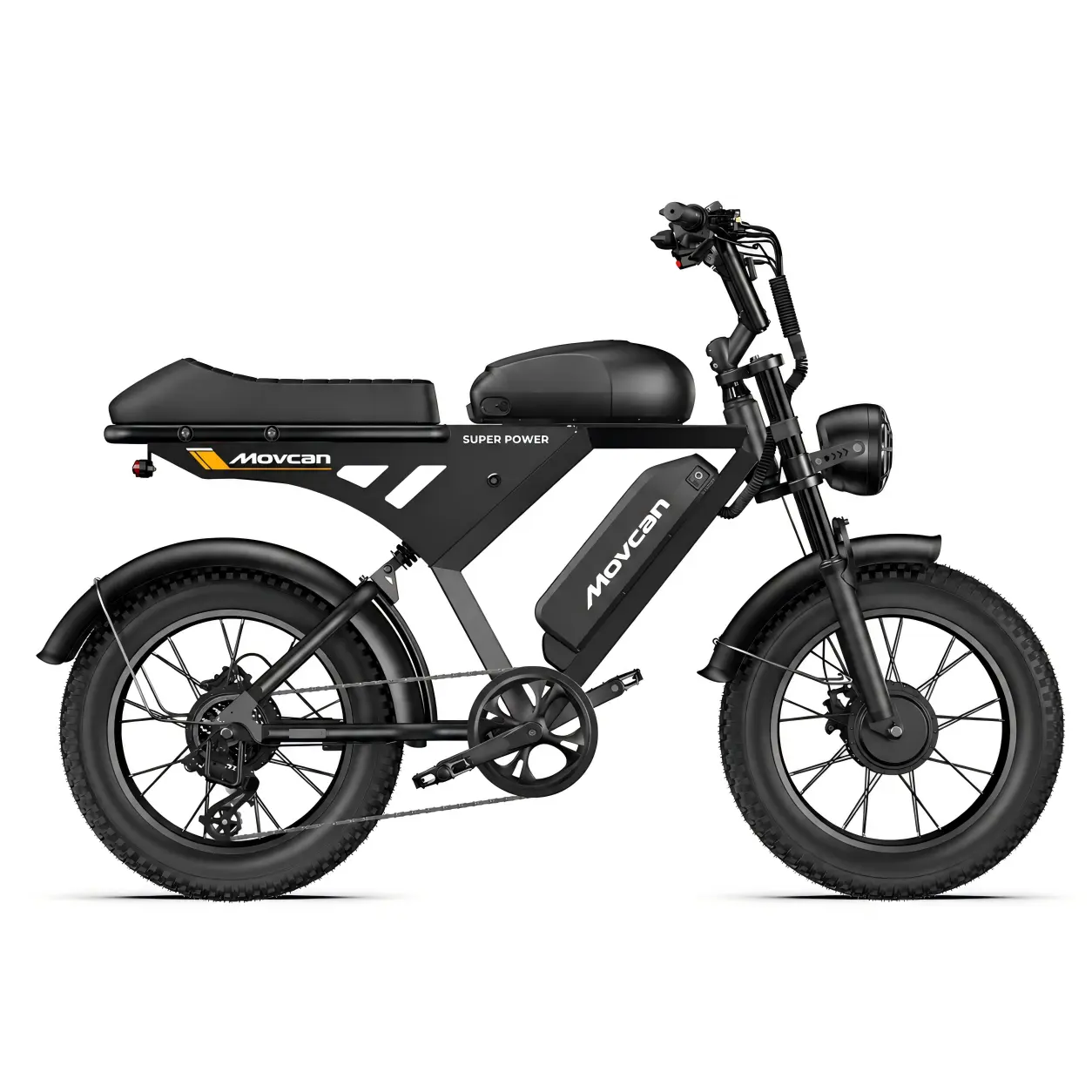
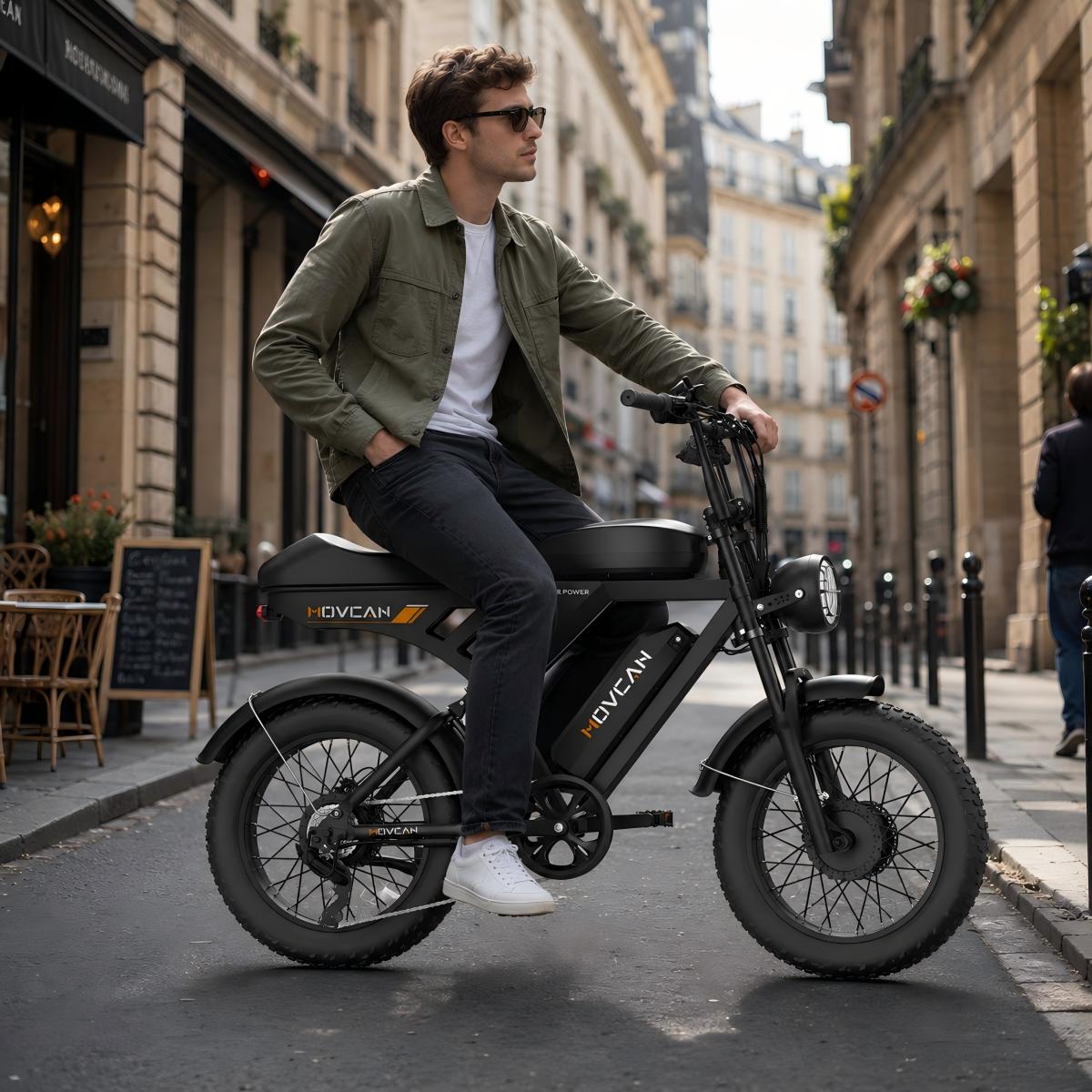
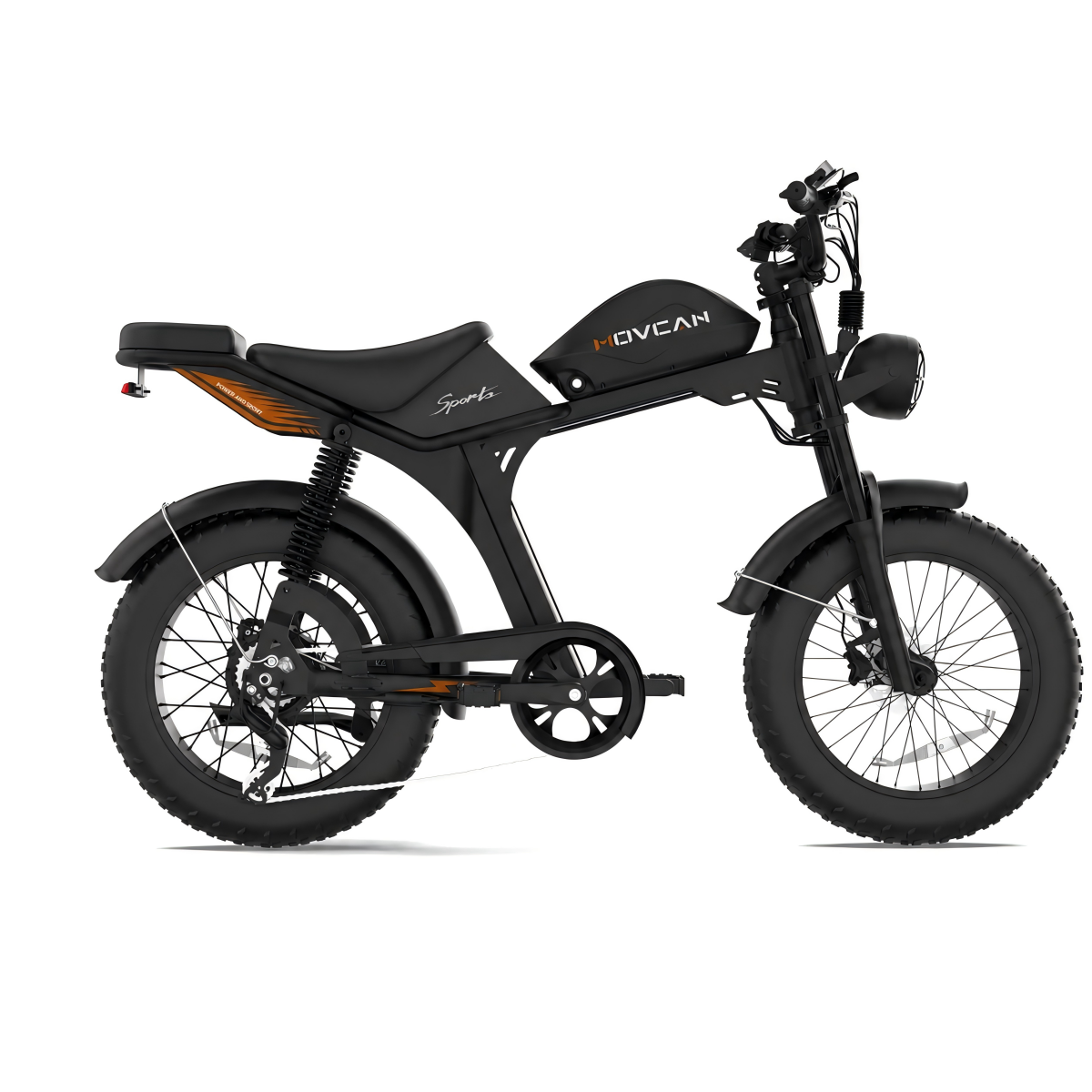
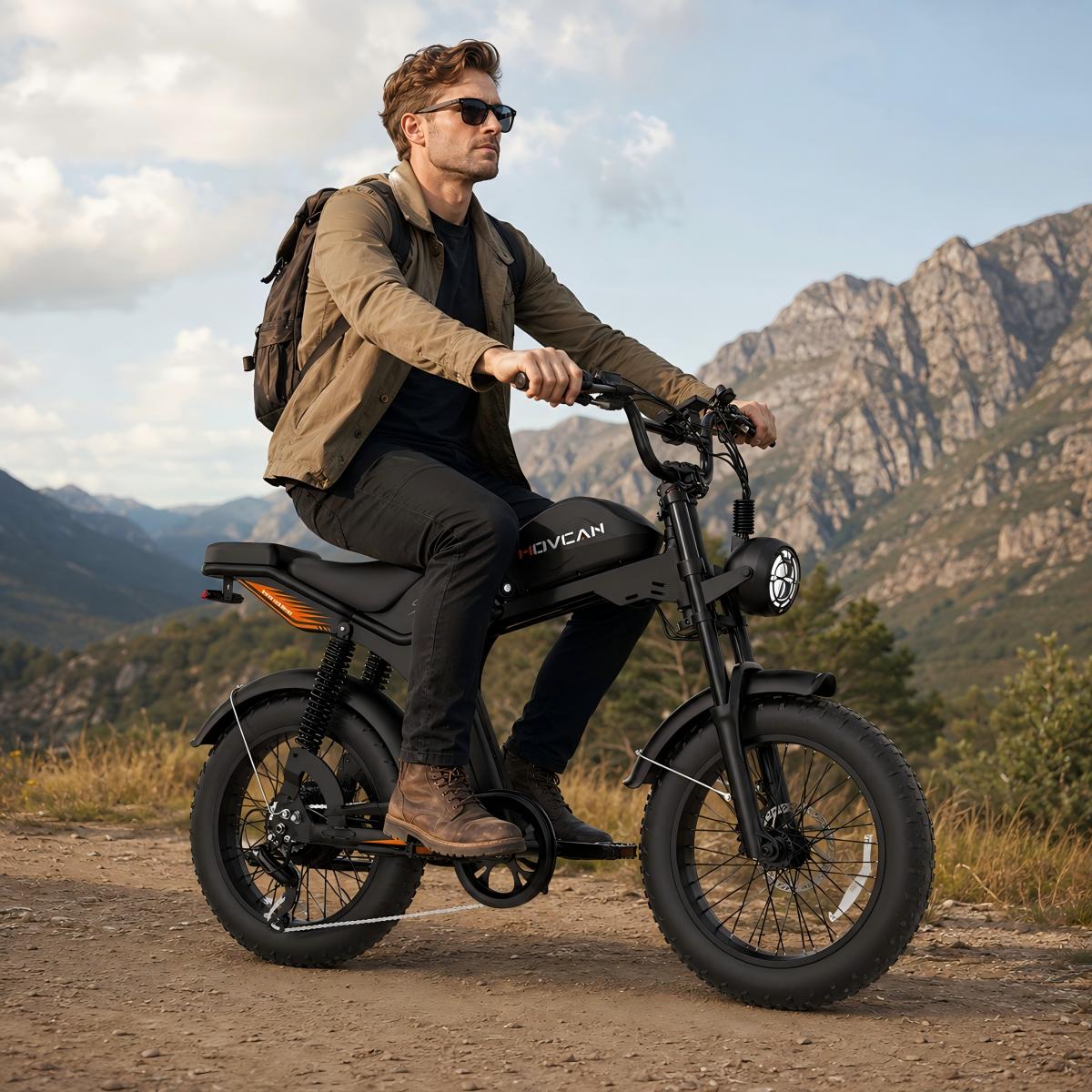
What is an off-road electric bike?
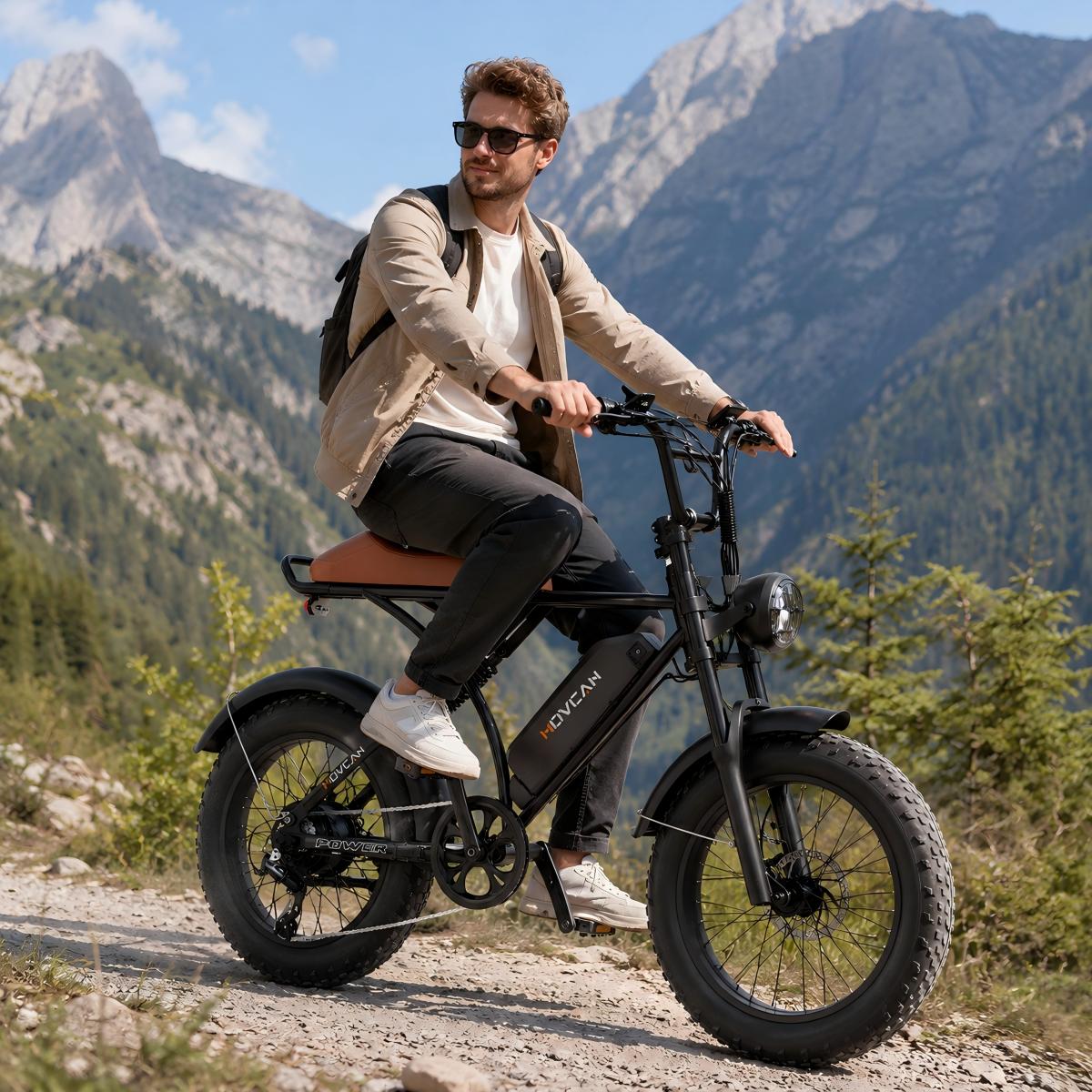
An off-road electric bike is an eBike designed for rougher and more varied surfaces such as gravel roads, dirt paths, rough pavement, and recreational mixed terrain. Depending on the model, it may use fat tires, suspension, stronger braking, and a battery setup suited to longer outdoor rides. There is no single universal definition, so riders should compare the complete bike setup and match it to the surfaces they actually plan to ride.
Are fat tire electric bikes good for off-road riding?
Fat tire eBikes can be useful for off-road and mixed-terrain riding because wider tires can add traction, stability, and cushioning on gravel, dirt roads, and rough surfaces. Tire width alone does not determine capability, however. Suspension, braking, bike weight, tire pressure, rider skill, and the condition of the route also matter. A fat-tire platform is best evaluated as part of the complete bike rather than as a single feature.
What is the difference between an off-road eBike and an all-terrain electric bike?
The terms often overlap, but they are not always identical. An off-road eBike generally emphasizes unpaved or rougher surfaces such as gravel, dirt roads, and recreational trails. An all-terrain electric bike is often positioned more broadly for riders moving between pavement and mixed surfaces. In practice, many fat-tire models can serve both purposes, depending on suspension, braking, tires, route difficulty, and rider expectations.
Can electric bikes ride on gravel and dirt roads?
Yes, many electric bikes can ride on gravel and dirt roads when their tires, suspension, braking, and overall design are suitable for the surface. Fat-tire and mixed-terrain models are generally better suited to loose or uneven routes than narrow-tire city bikes. Riders should reduce speed when traction is limited, choose appropriate tire pressure, and avoid assuming that a recreational off-road eBike is suitable for every technical trail.
Do I need full suspension for an off-road electric bike?
Not always. Full suspension can improve comfort and control on rough, uneven terrain, but it also adds weight and maintenance. Riders on broken pavement, gravel roads, and moderate mixed surfaces may be comfortable with less suspension depending on the bike and tire setup. Riders who regularly encounter more bumps, potholes, or rough recreational routes may benefit more from front and rear suspension.
What tire size is good for off-road eBike riding?
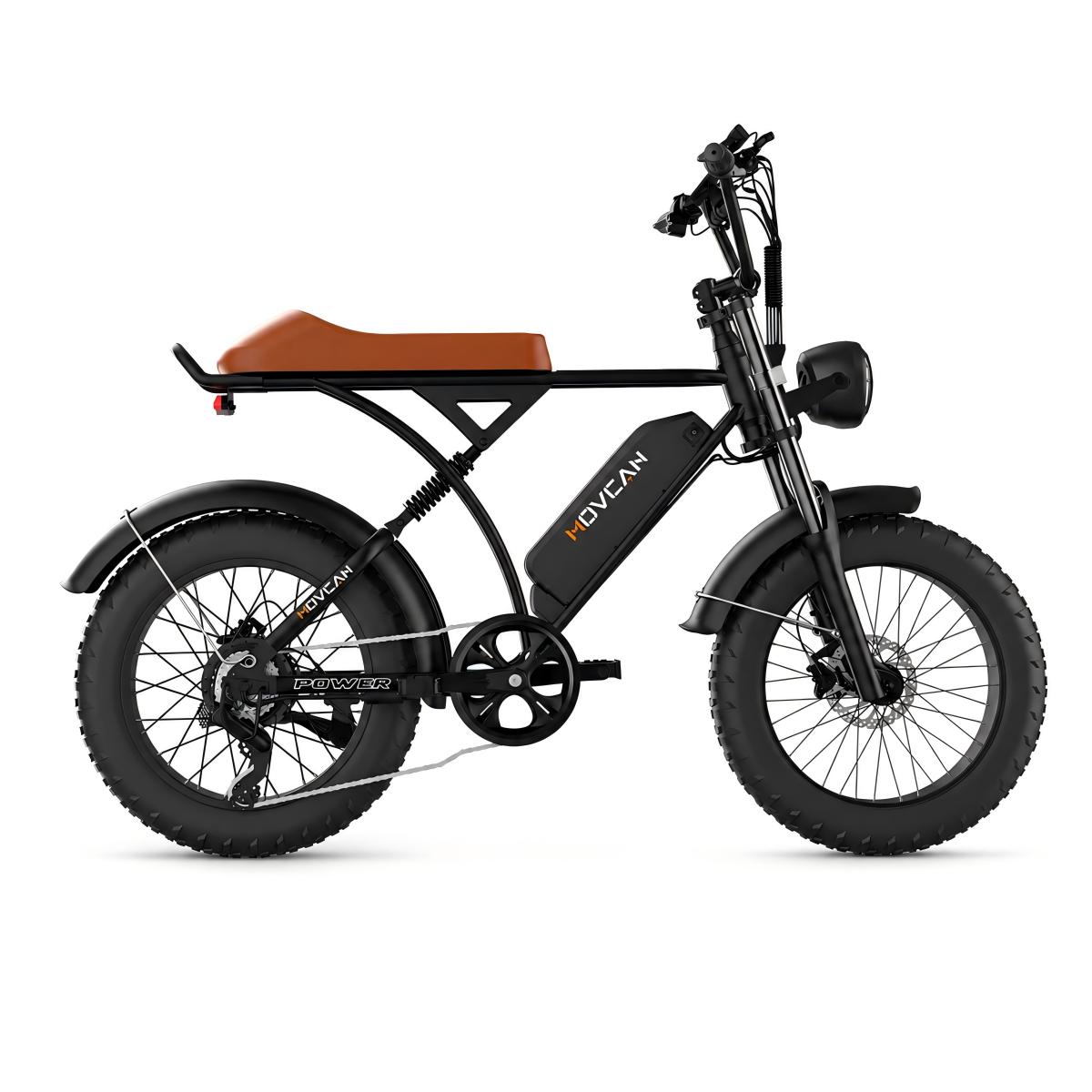
There is no single tire size that is best for every off-road route. Wider tires can add stability, grip, and cushioning on gravel, dirt, and rough surfaces, while narrower tires may feel lighter and more efficient on pavement. MOVCAN uses fat-tire setups on several mixed-terrain models, but riders should also consider tread pattern, tire pressure, bike weight, suspension, and the specific terrain they expect to ride.
Which MOVCAN electric bike is suitable for mixed-terrain riding?
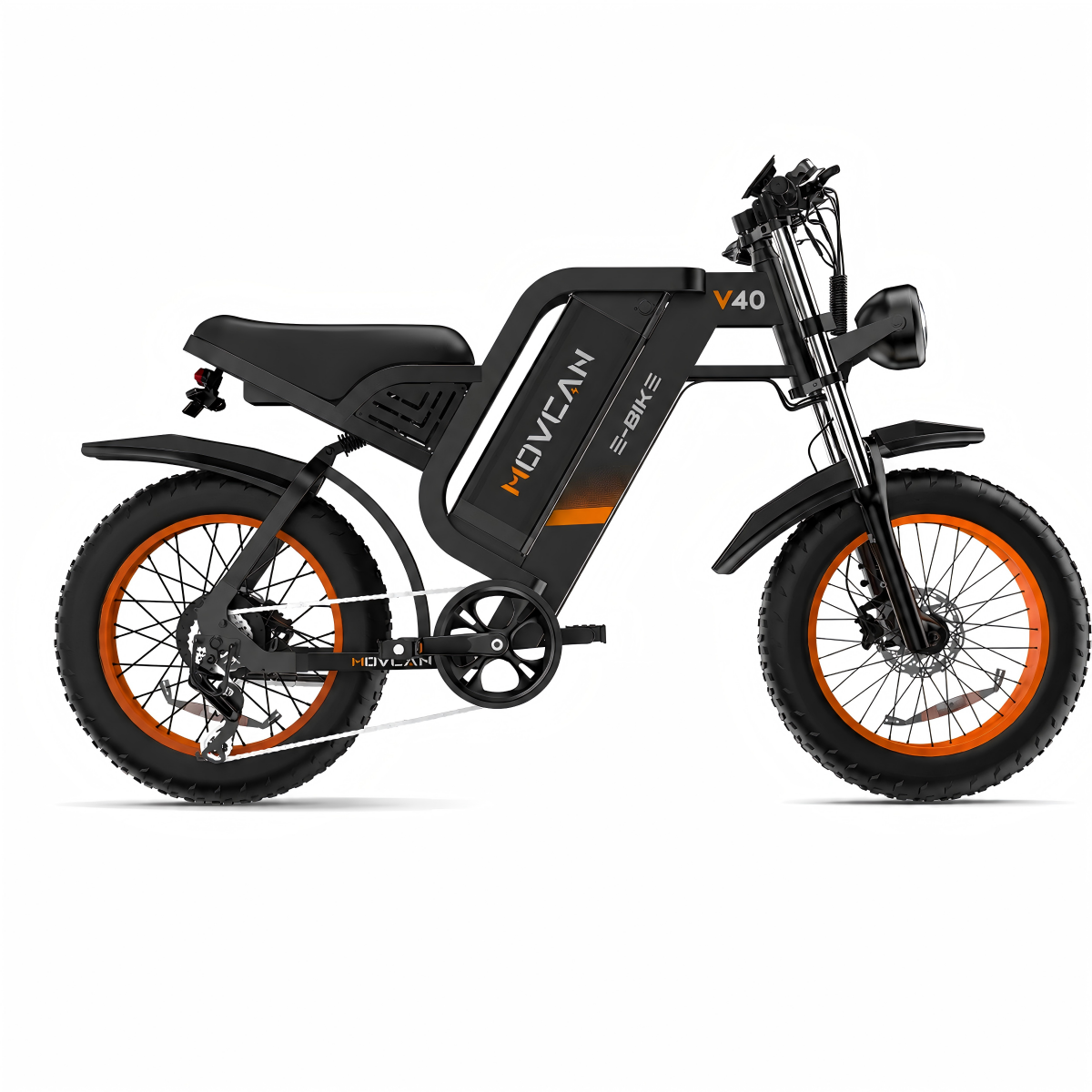
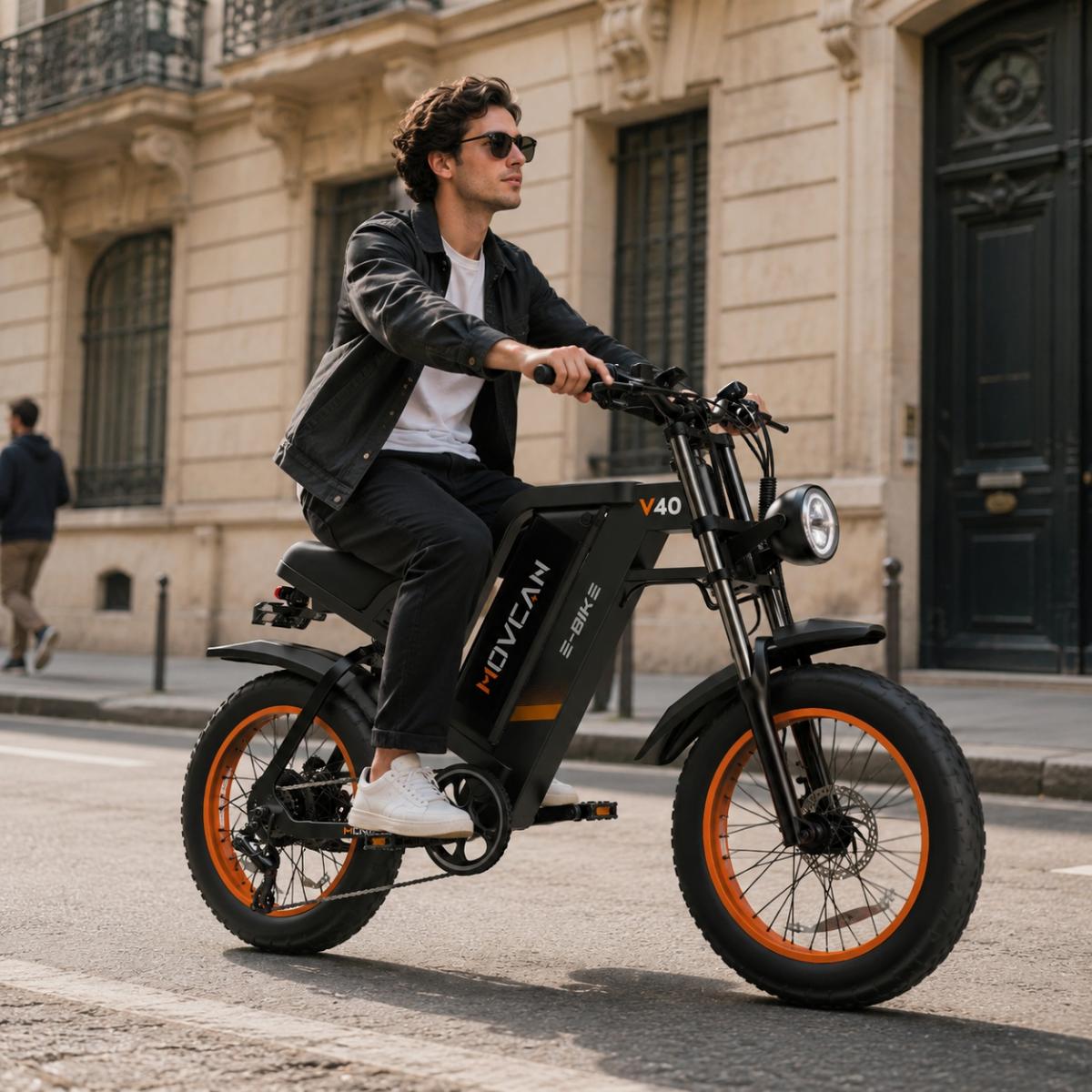
Within this MOVCAN collection, the V30 Pro Max, V70, V60 Pro, V30 Max, V60, and V40 are all positioned for different types of mixed-terrain use. The V30 Pro Max emphasizes power, the V70 longer outdoor rides, the V60 Pro balanced performance, the V30 Max extended-range versatility, the V60 comfort and stability, and the V40 a mix of urban and recreational riding. The right model depends on your route and priorities.
Are off-road electric bikes street legal?
Street legality depends on the jurisdiction and how the bike is configured or used. Electric bike regulations vary by state and local jurisdiction. Riders should check applicable local laws before riding, including rules covering motor operation, assisted speed, throttle use, age requirements, helmets, roads, bike lanes, paths, and trails. A bike being sold as an electric bicycle does not automatically make every riding mode legal everywhere.