Daily Commuting
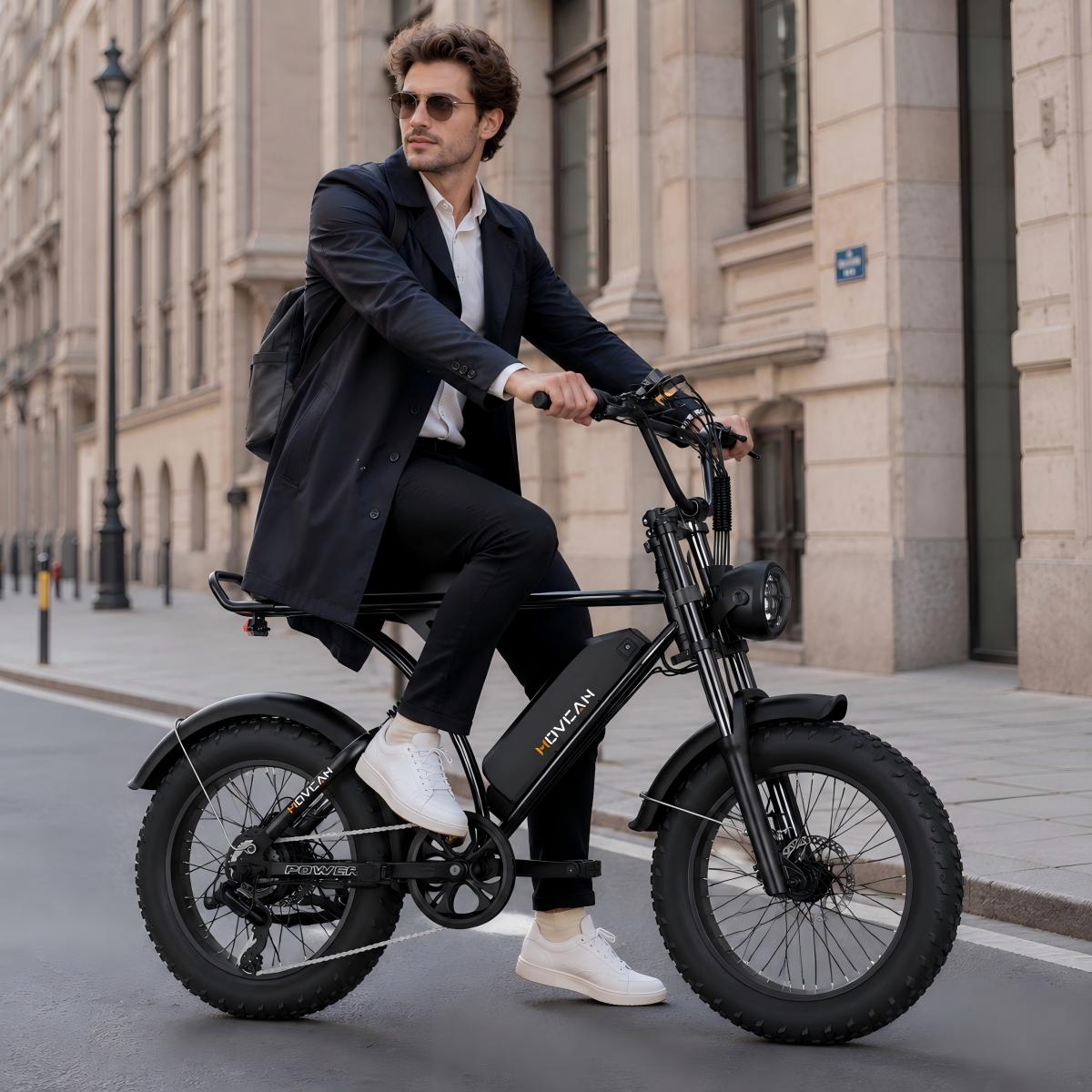
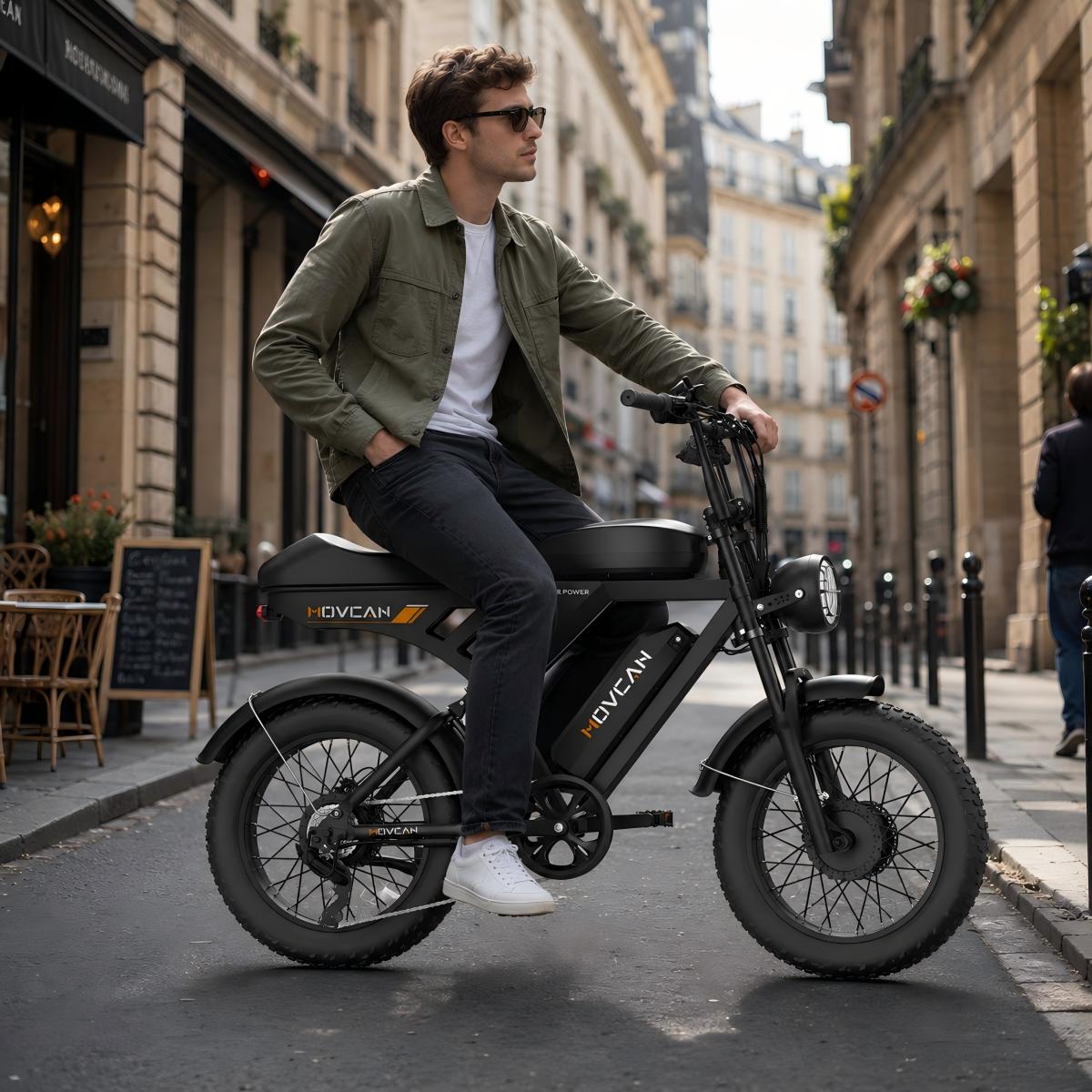
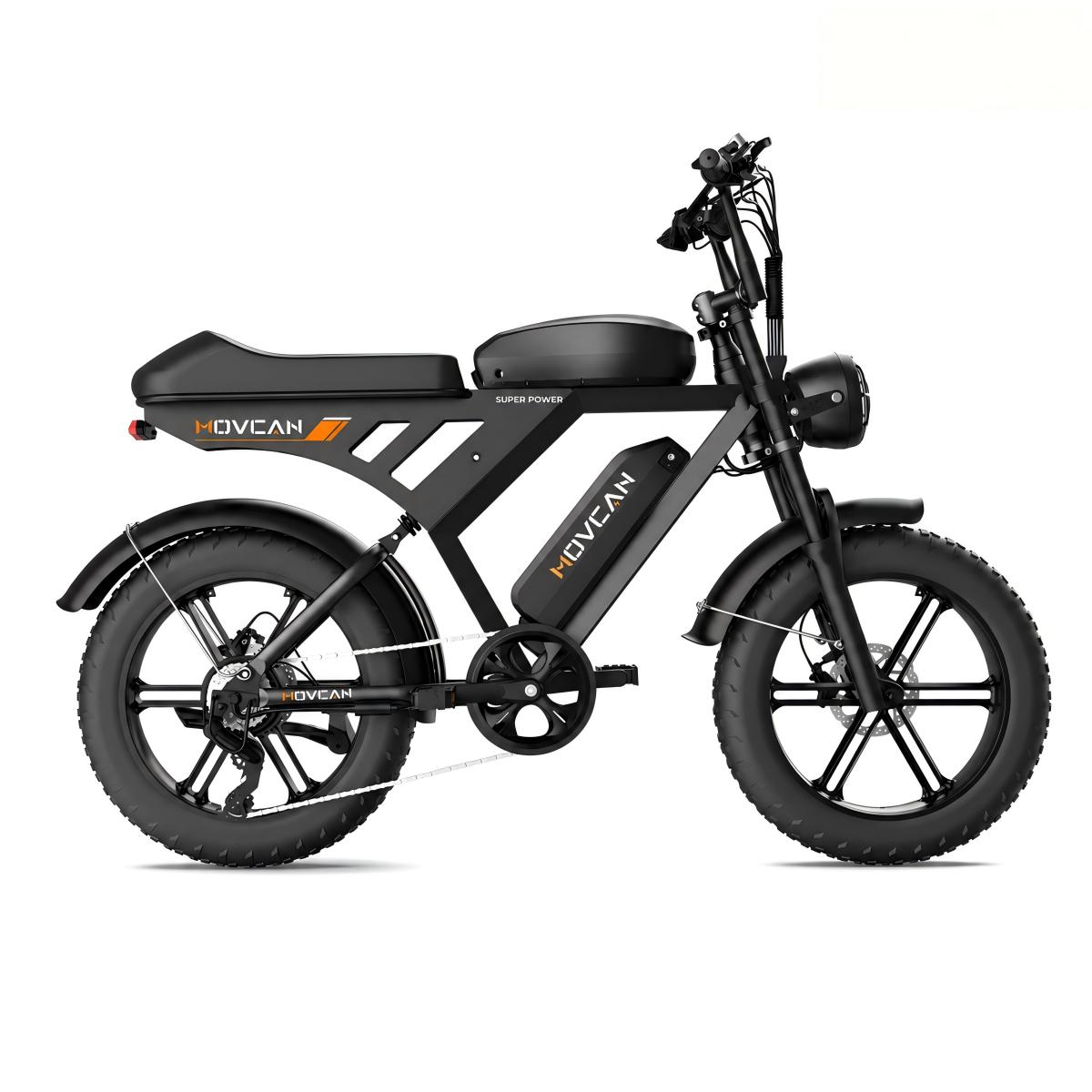
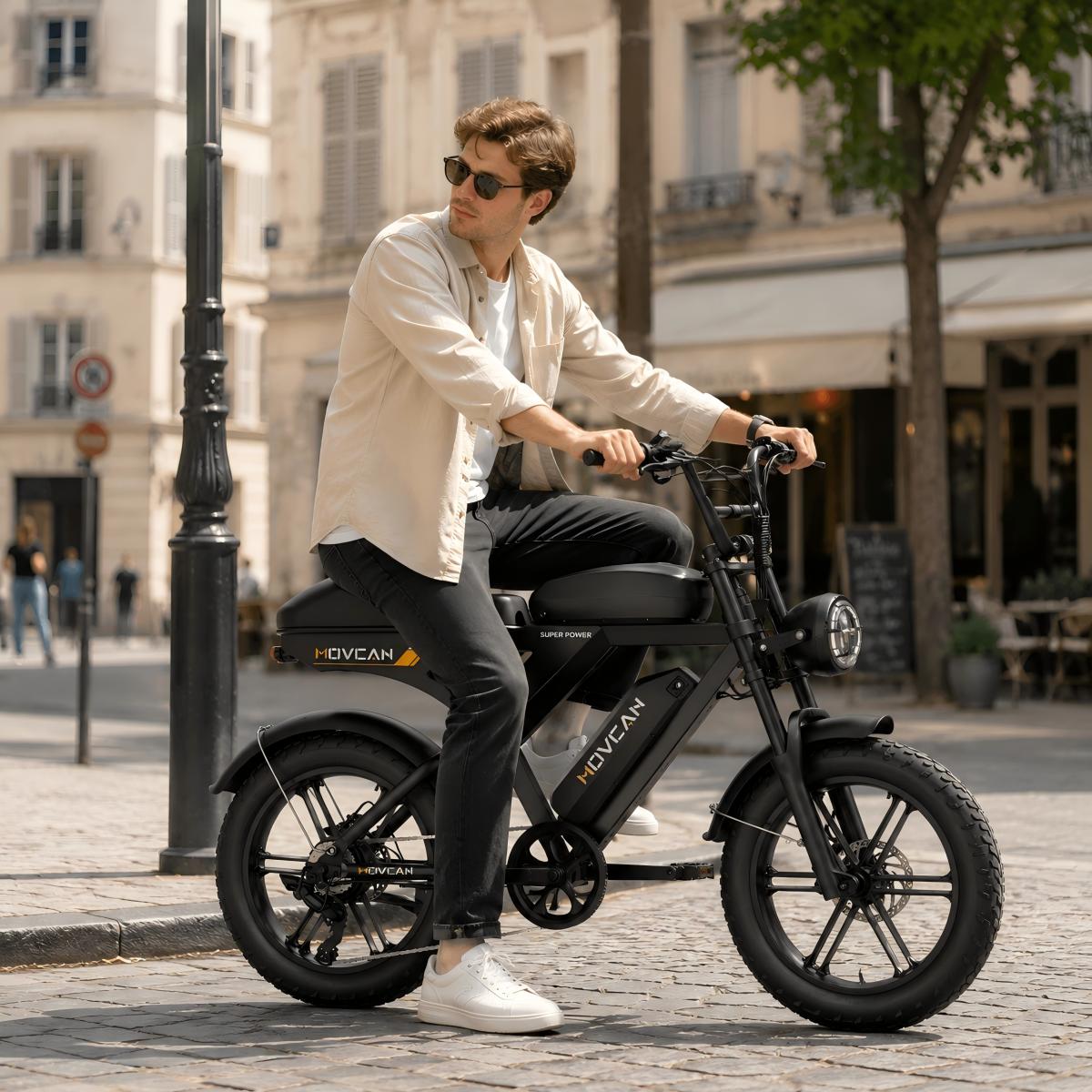
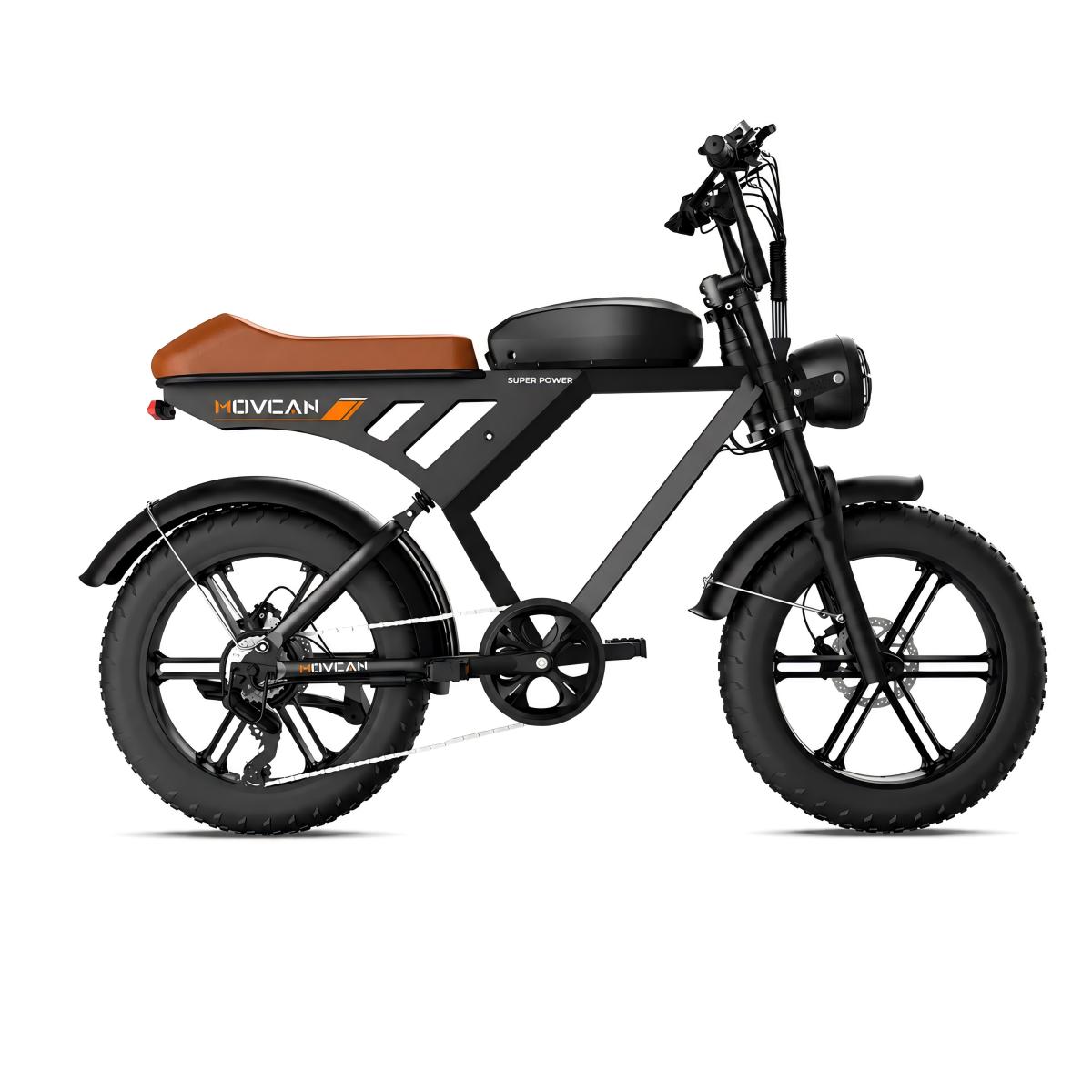
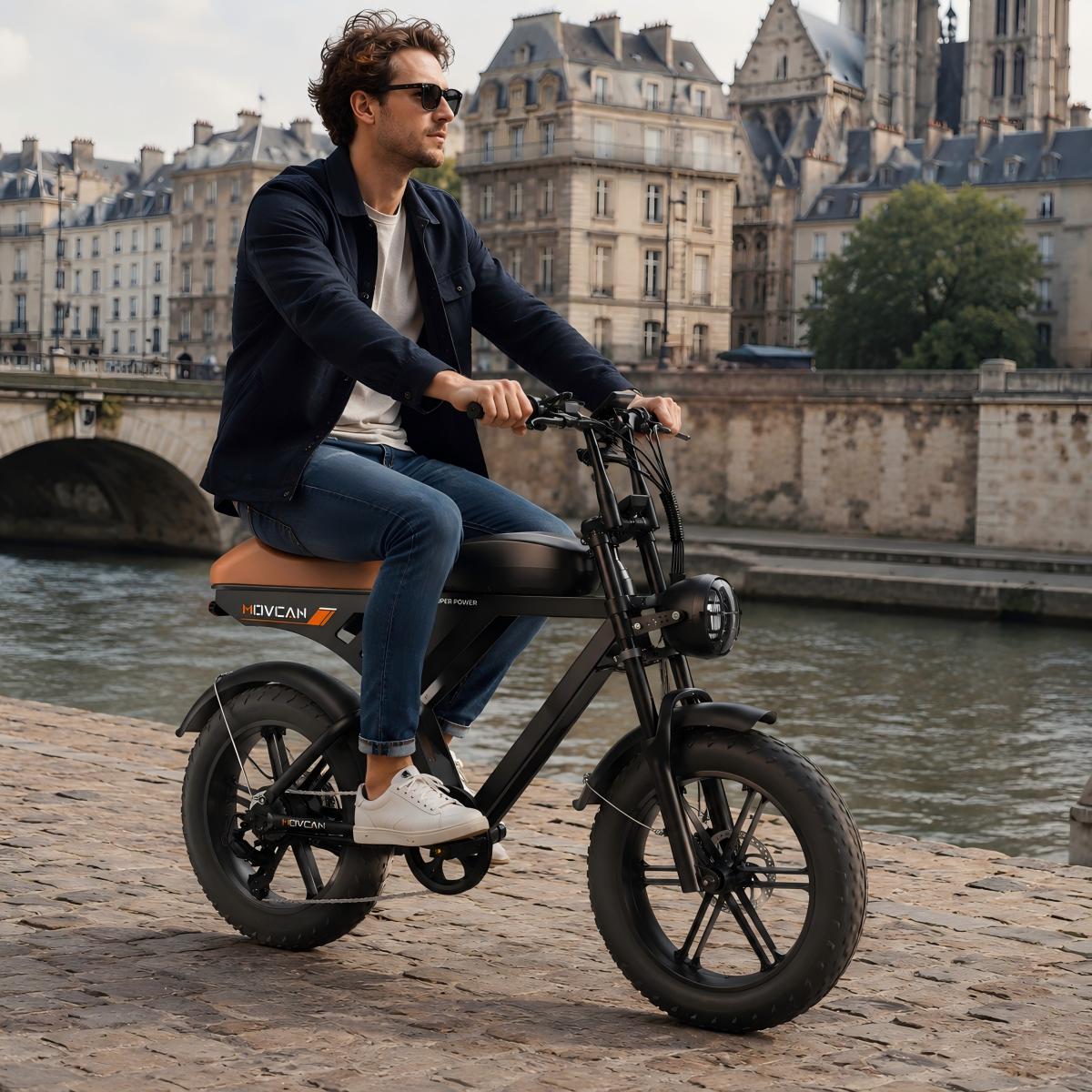
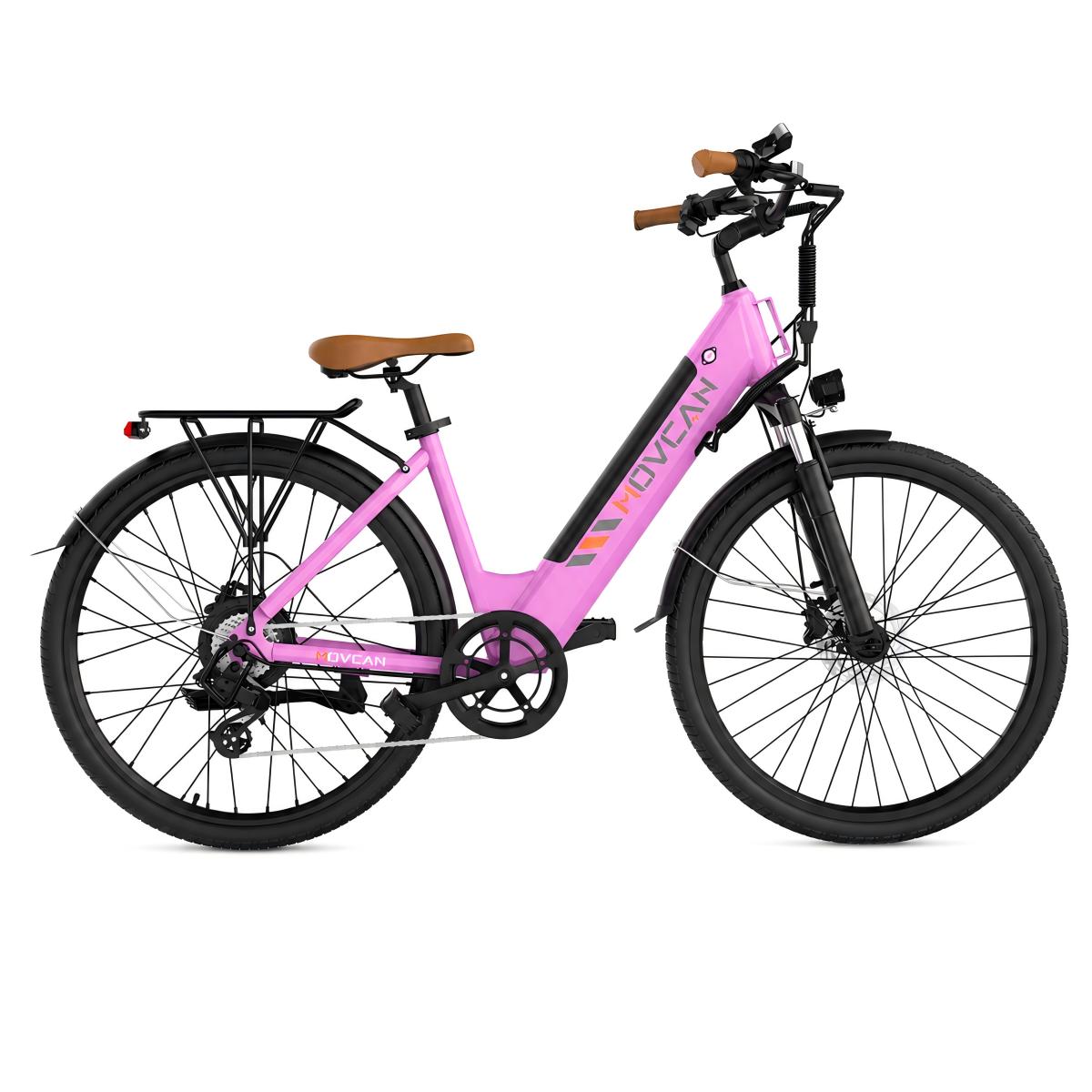
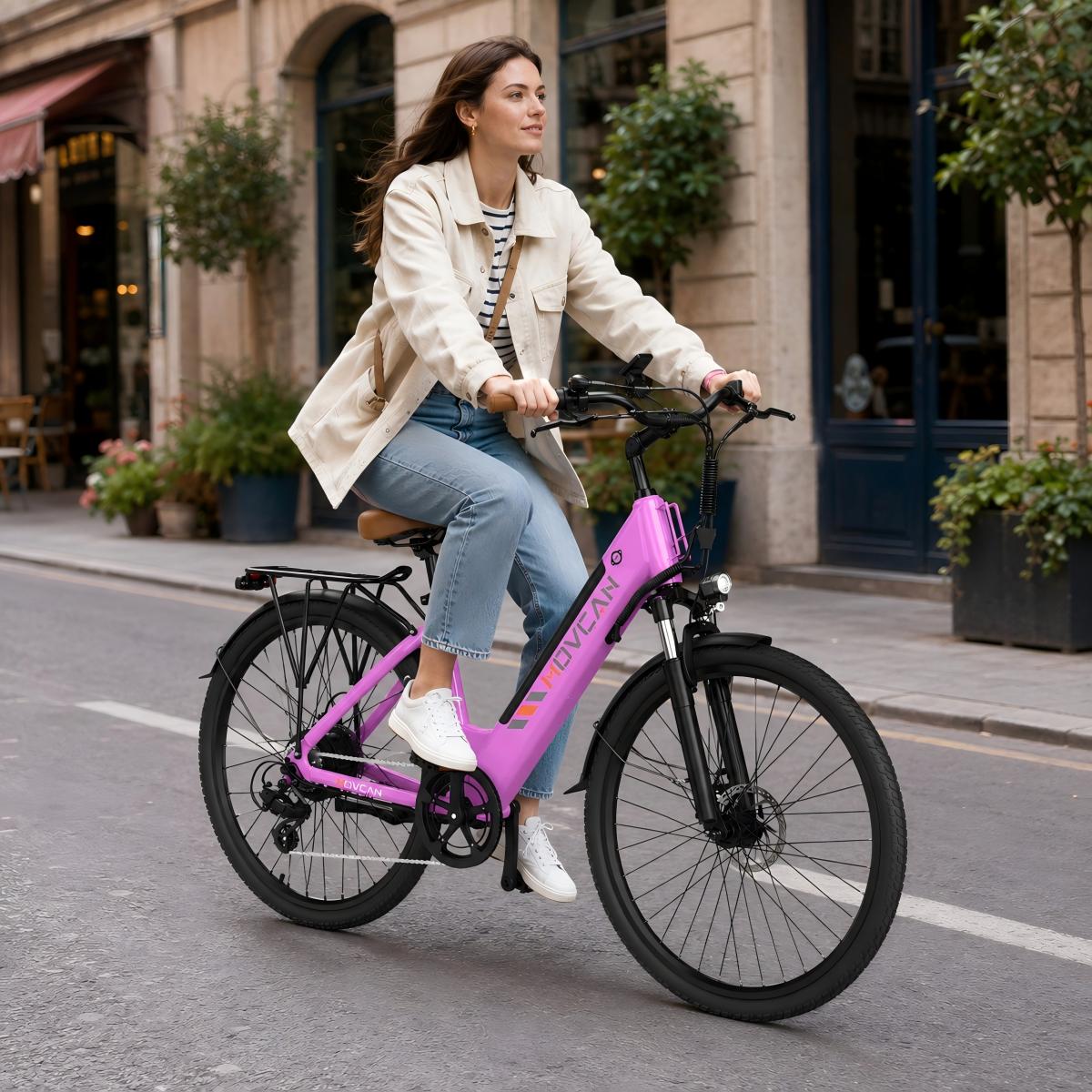
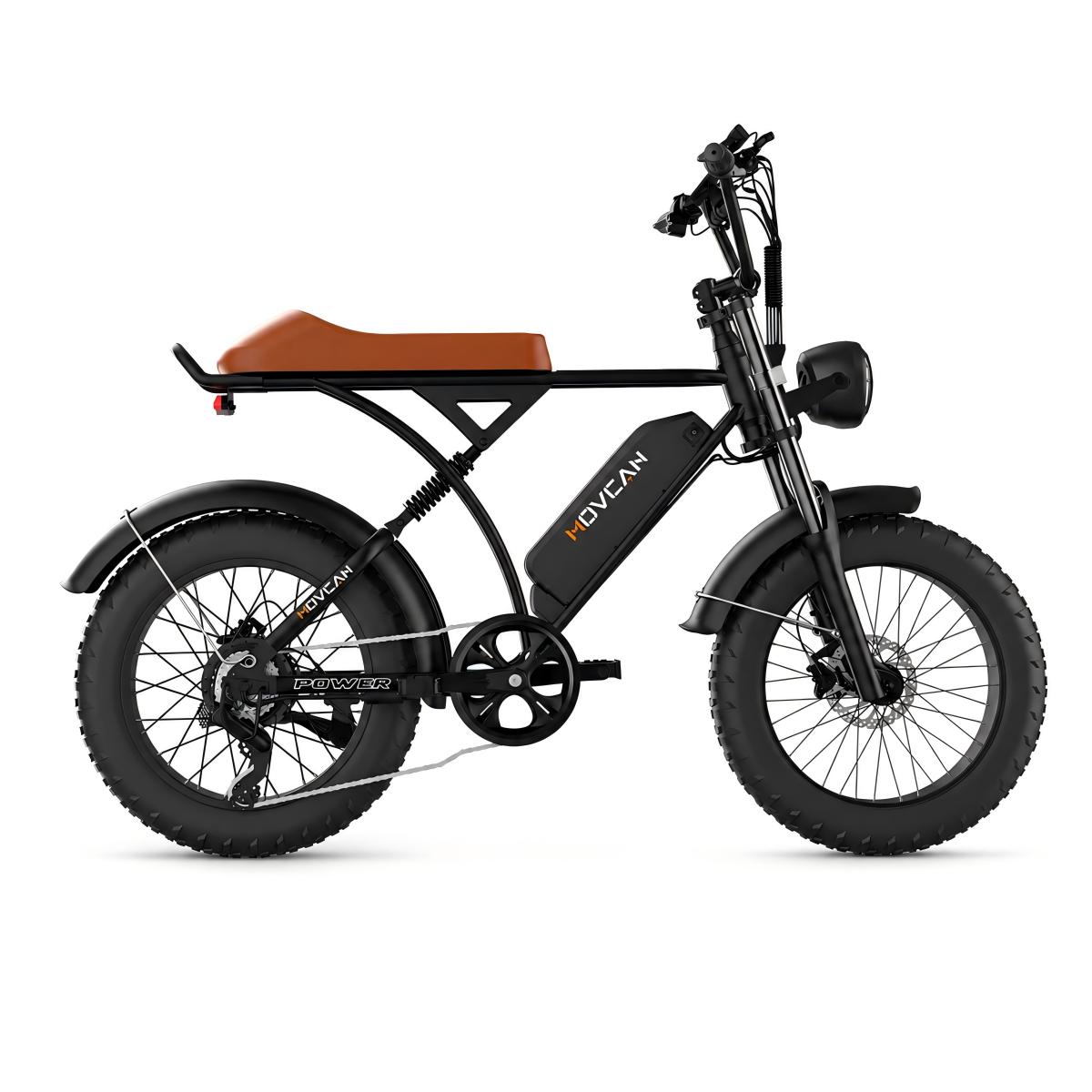
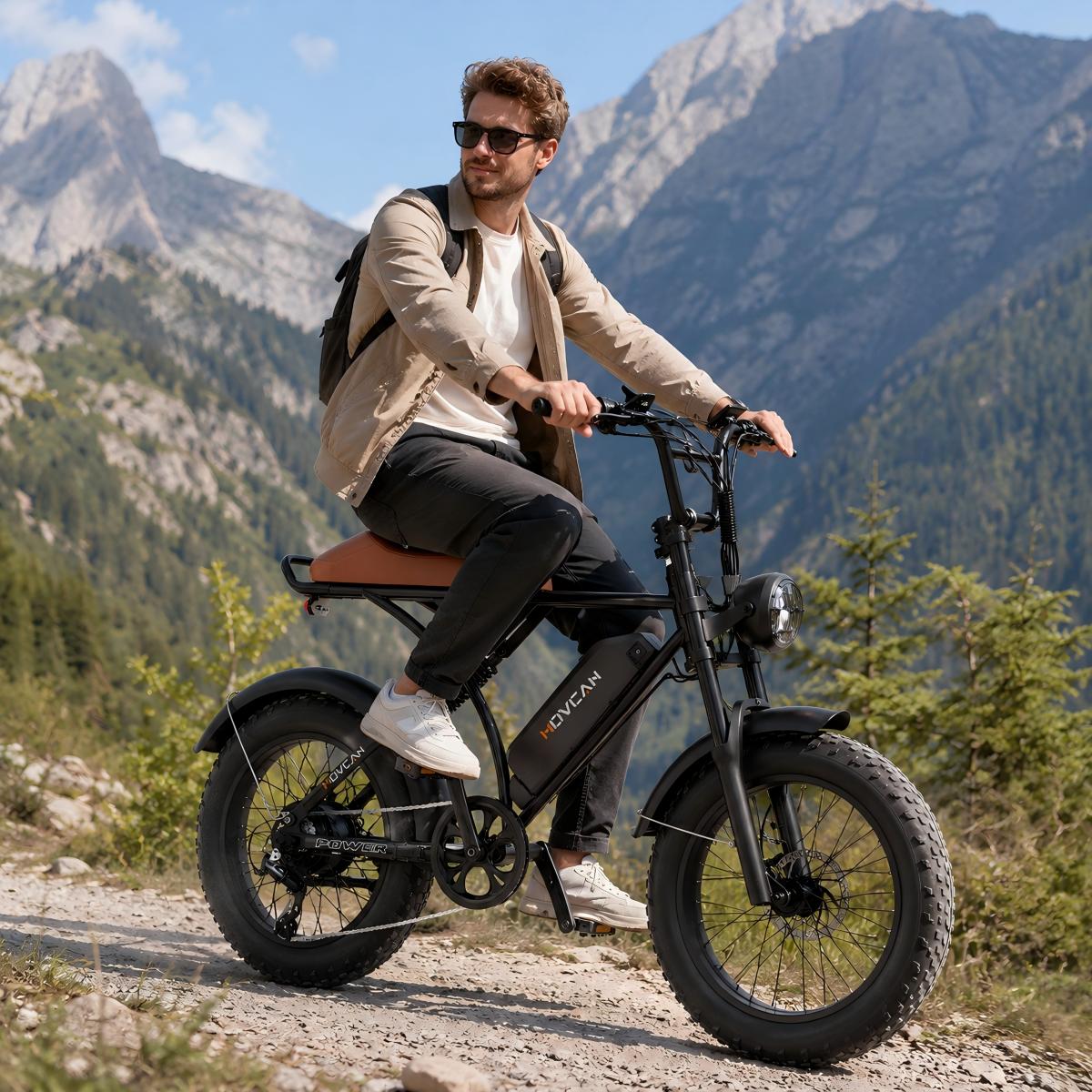
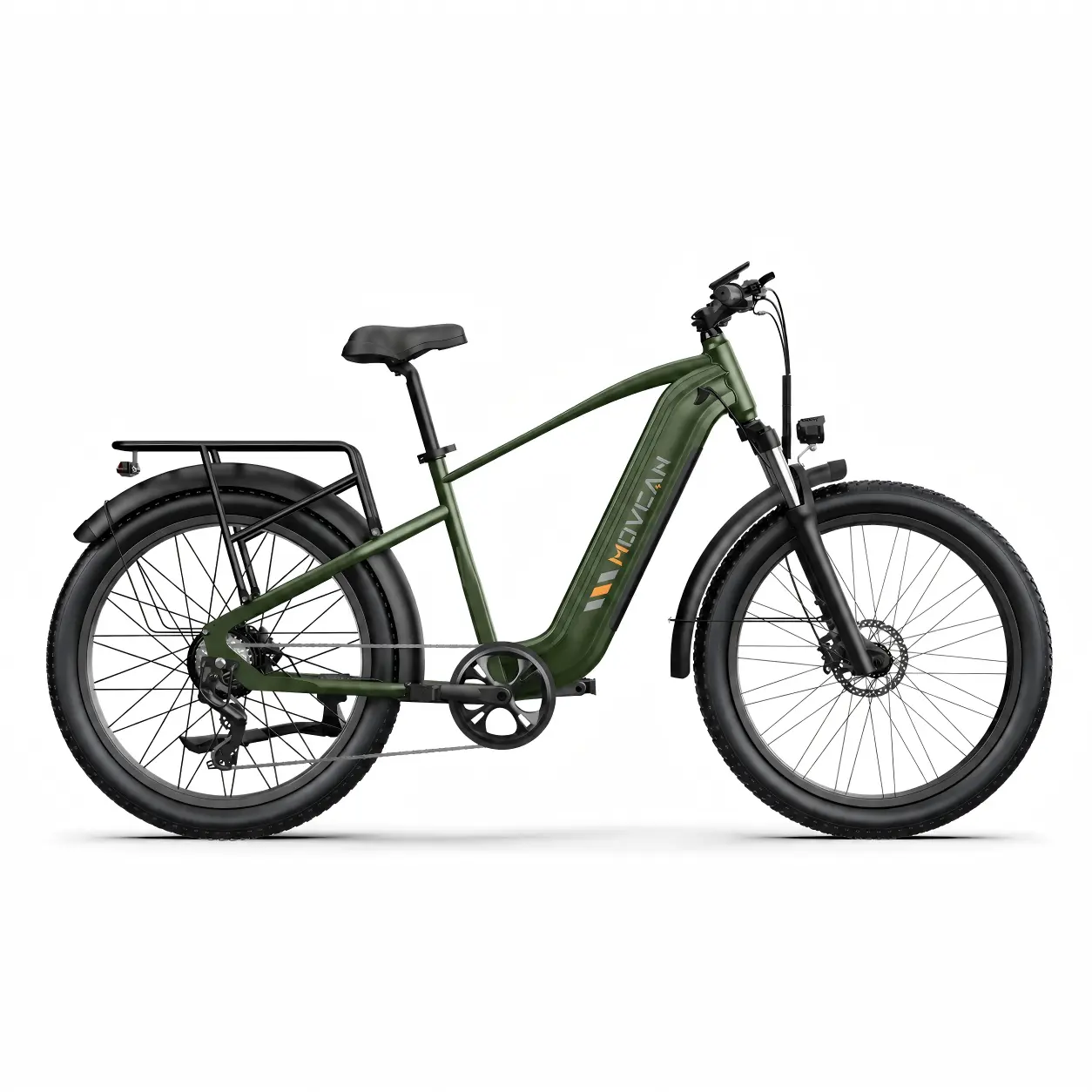
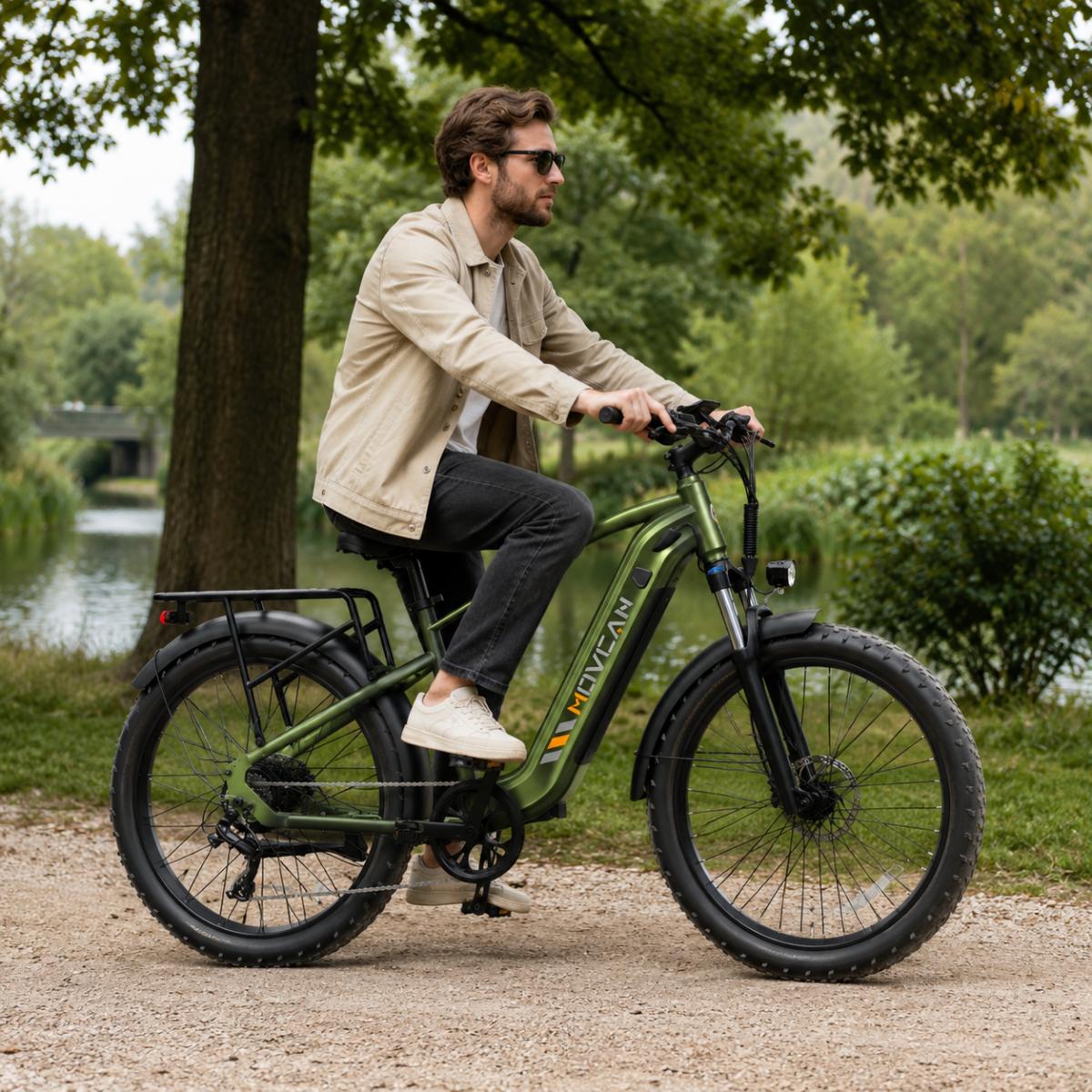
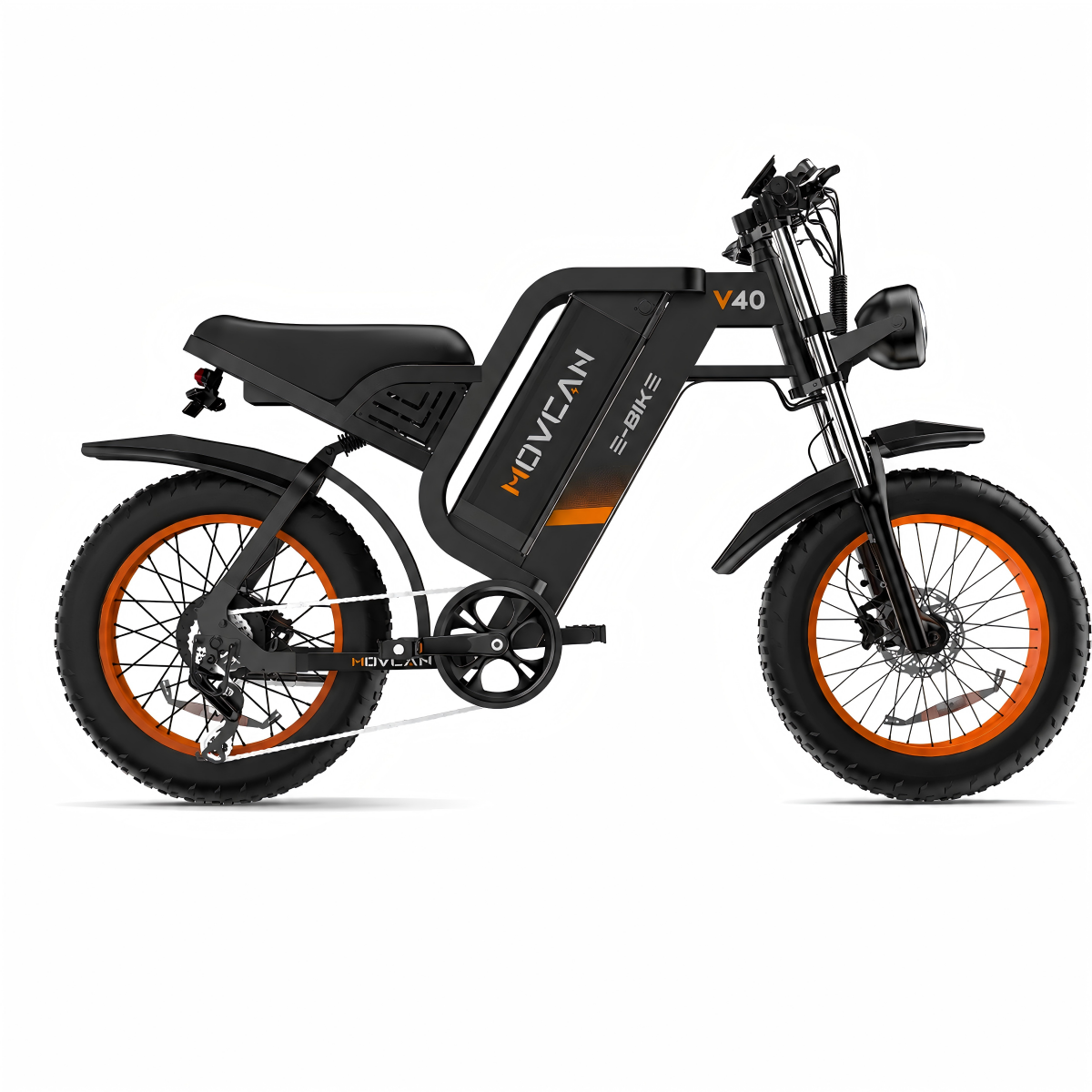
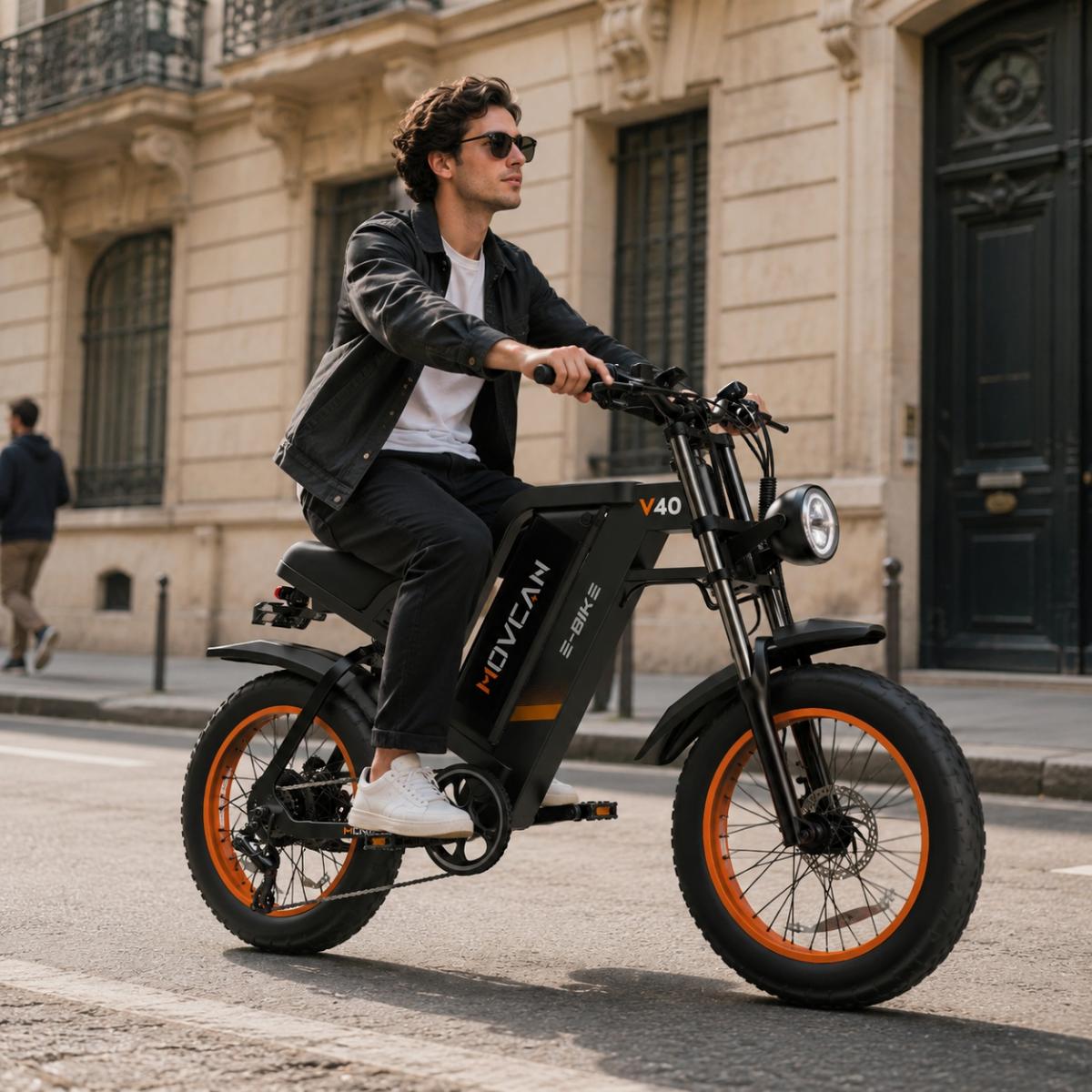
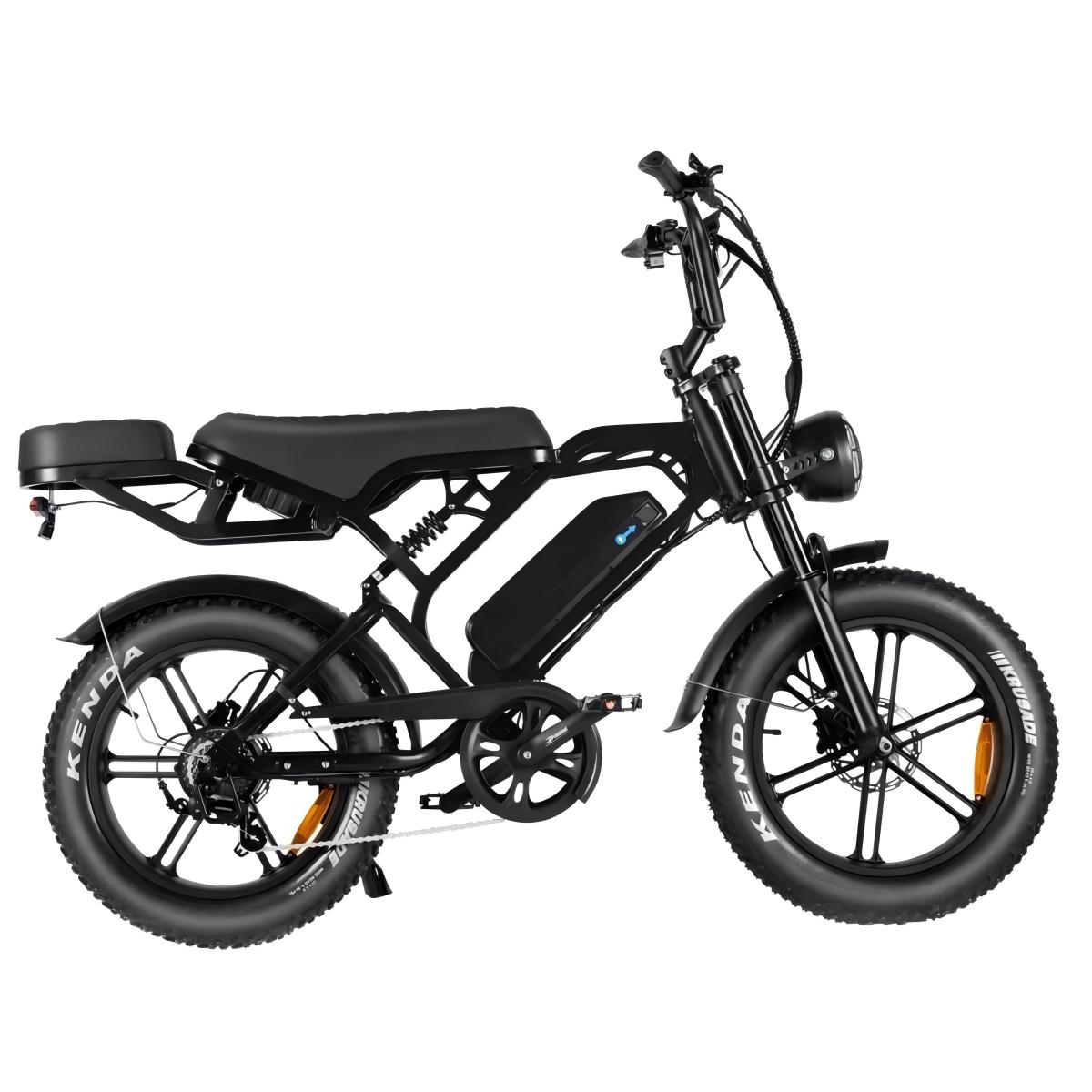
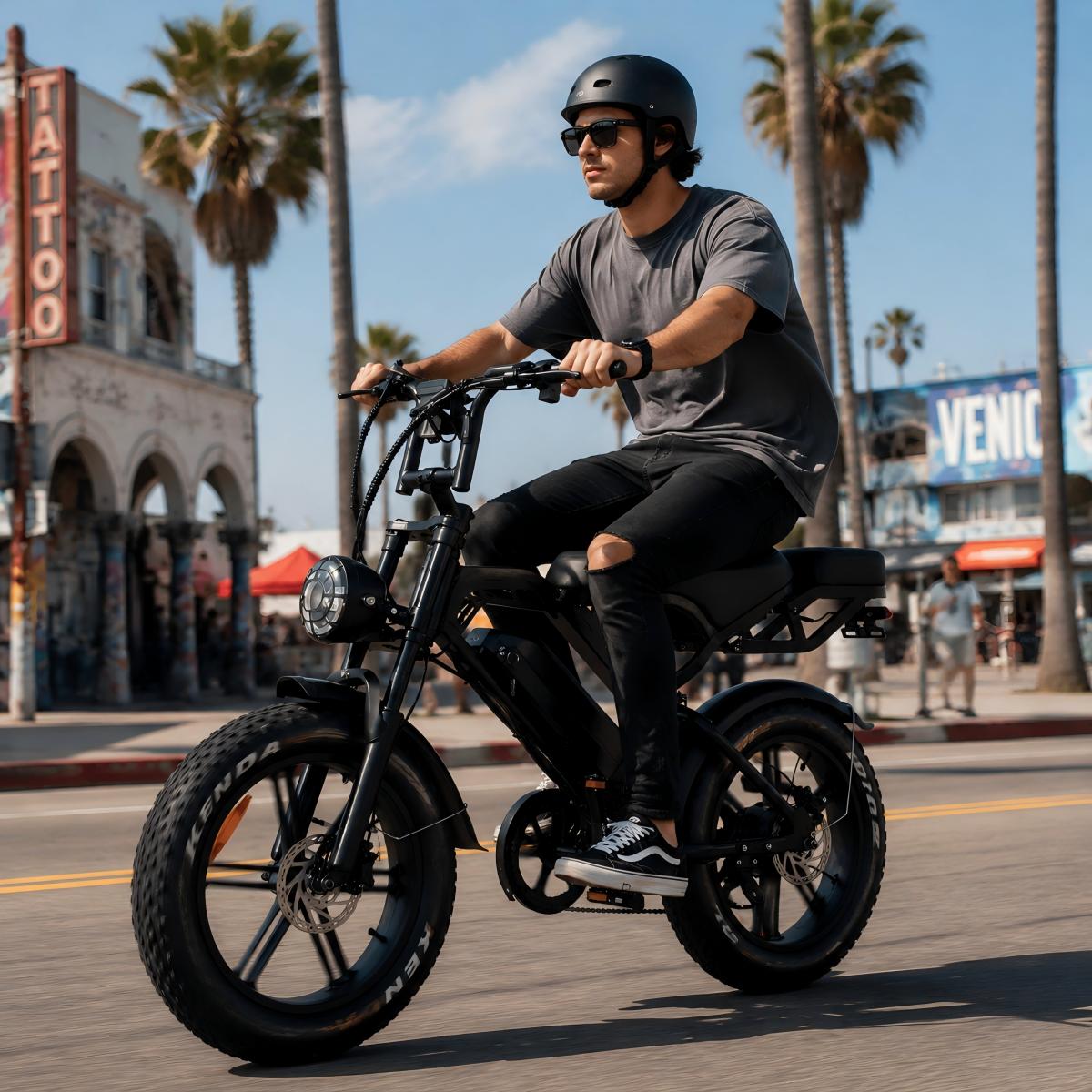
For work trips, neighborhood transportation, and regular city riding, prioritize manageable power, practical range, predictable handling, and easy daily charging. MOVCAN identifies the V30, V40, and V80 as commuter-focused options.
For work trips, neighborhood transportation, and regular city riding, prioritize manageable power, practical range, predictable handling, and easy daily charging. MOVCAN identifies the V30, V40, and V80 as commuter-focused options.
Longer trips place more emphasis on battery capacity, efficient pedal assist, comfort, and charging plans. Models such as the V70, V30 Pro Max, and V30 Max are positioned toward riders who want more range than a basic short-trip commuter.
Riders prioritizing stronger acceleration, higher motor output, and demanding mixed-terrain use can start with High Performance Electric Bikes, including performance-focused models such as the V30 Pro Max, V60 Pro, and V70.
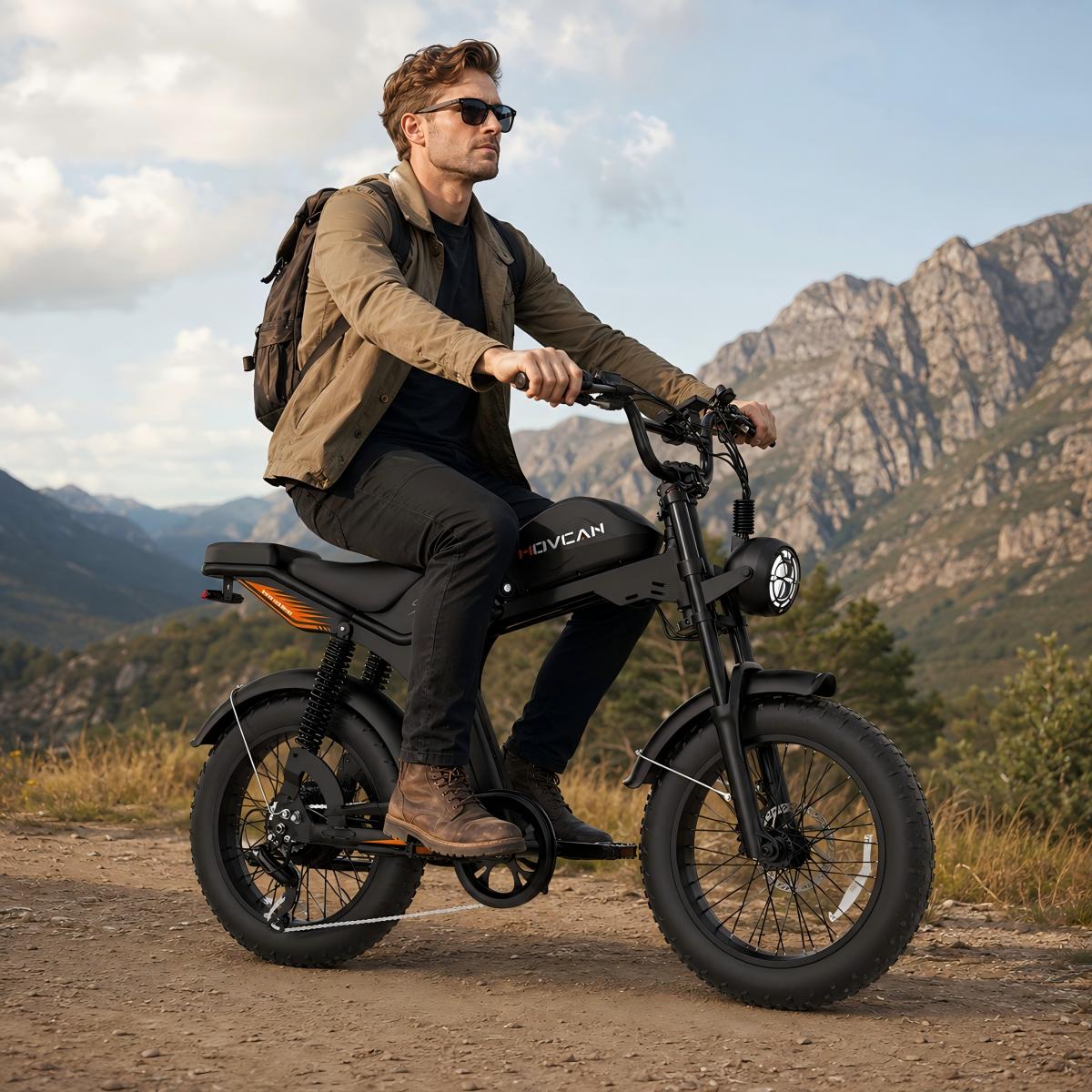
Wide tires can add stability, traction, and cushioning on rough pavement, gravel, dirt roads, and recreational routes. Explore Fat Tire Electric Bikes when mixed-surface capability matters more than lightweight portability.
For appropriate recreational trails and outdoor routes, look for a combination of suitable tires, suspension, braking, motor response, and battery capacity. MOVCAN positions several performance and fat-tire models for outdoor and mixed-terrain riding.
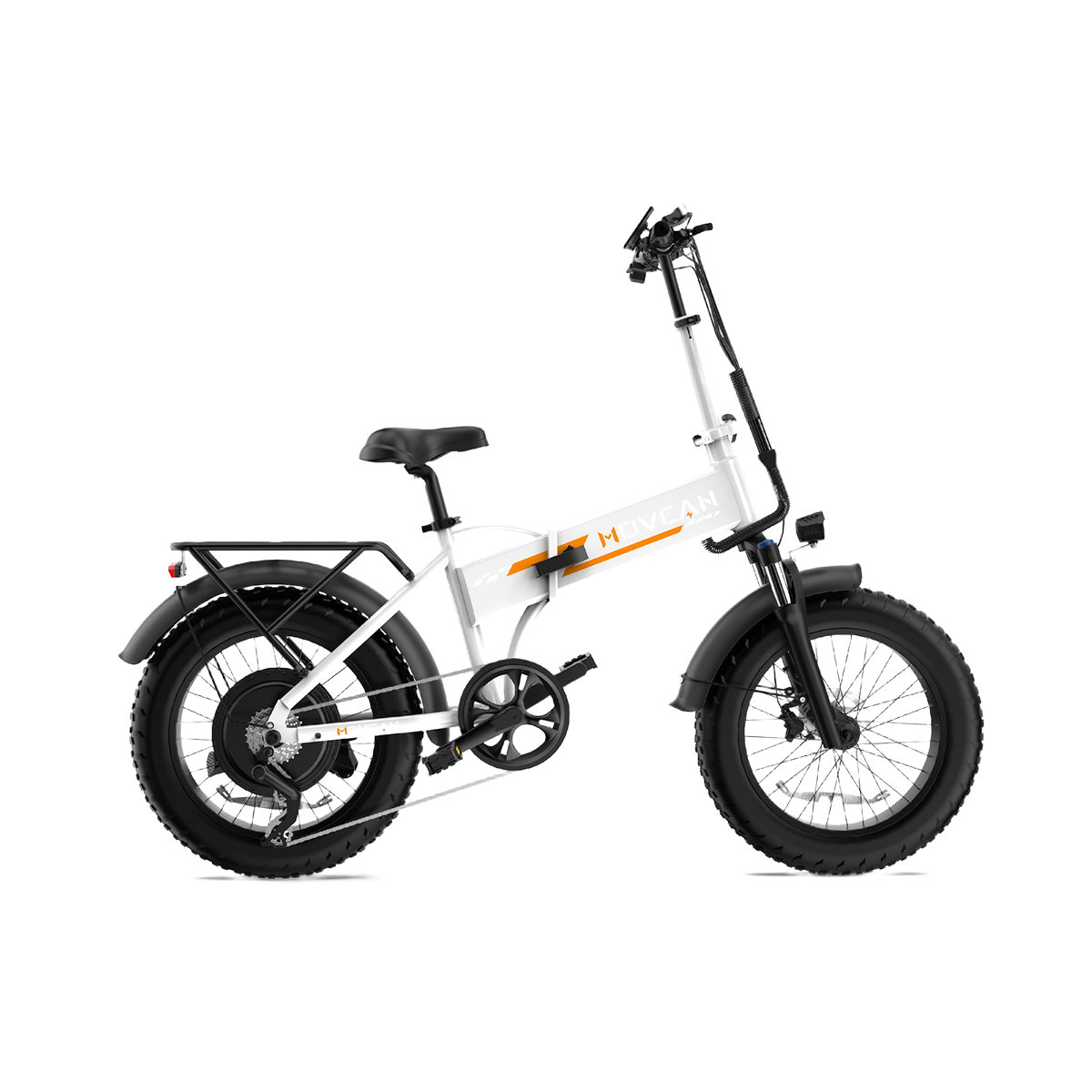
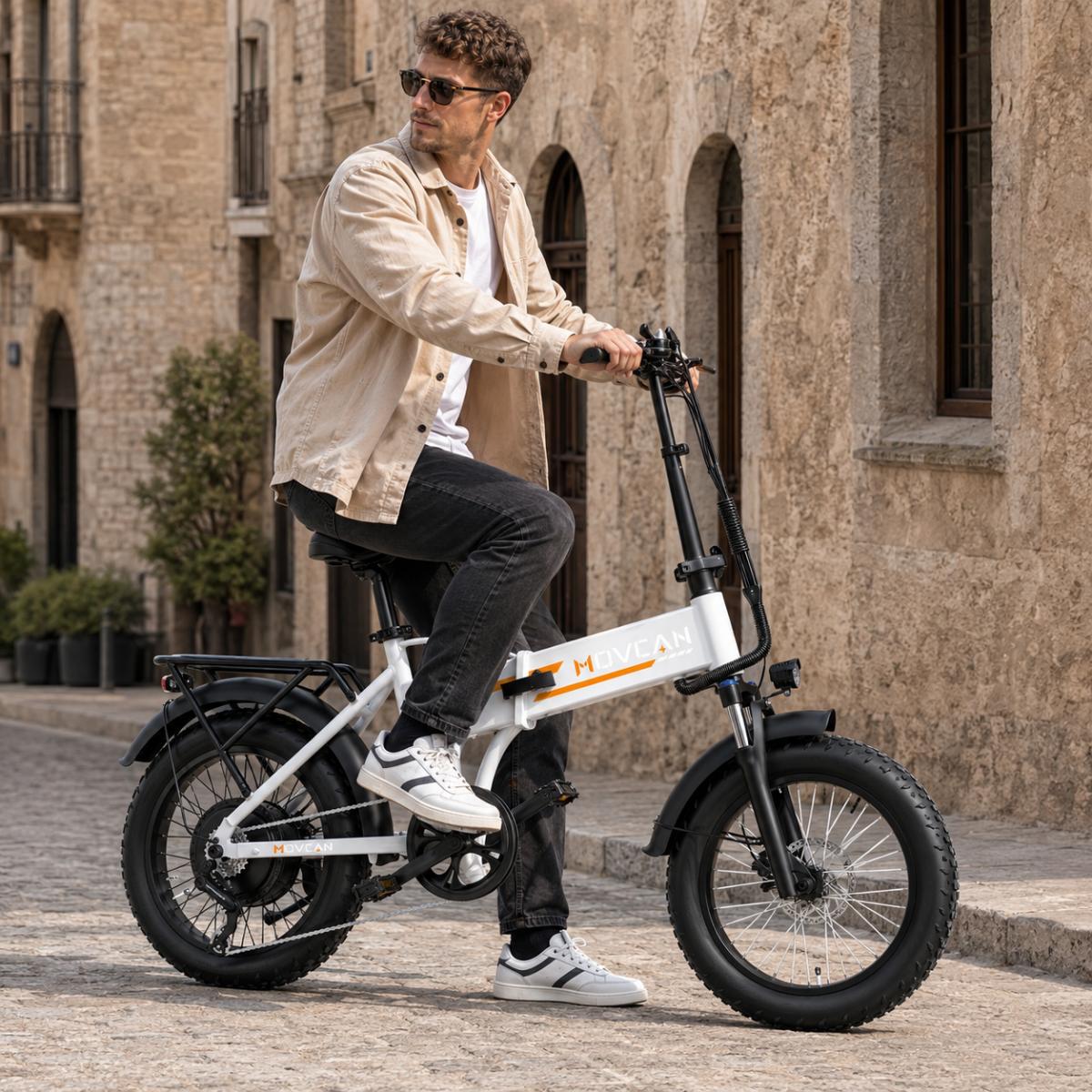
When storage and transport matter, a folding frame can be more useful than maximum size or range. The Folding Electric Bikes category includes the Q20, designed for RV travel, apartment storage, urban commuting, and flexible transportation.
An electric bike, also called an eBike or electric bicycle, combines a bicycle platform with an electric motor, rechargeable battery, and electronic controls that assist the rider. Depending on the model and riding mode, motor assistance may work through pedal assist, a throttle where equipped and permitted, or a combination of both.
Electric bikes for adults come in different configurations because riders have different needs. A commuter electric bike may emphasize practical daily transportation and easy handling. A fat tire electric bike uses wider tires for added stability and mixed-surface capability. Performance-focused models may use higher-output motors, larger batteries, full suspension, or dual-motor systems. Folding designs focus more on storage and transport.
The useful question is not simply how powerful an eBike is. Buyers should compare motor performance, battery capacity, manufacturer-listed range, tires, suspension, braking, frame size, storage requirements, and the environment where the bike will be used. That makes it easier to choose an electric bicycle that fits real daily riding rather than one specification alone.
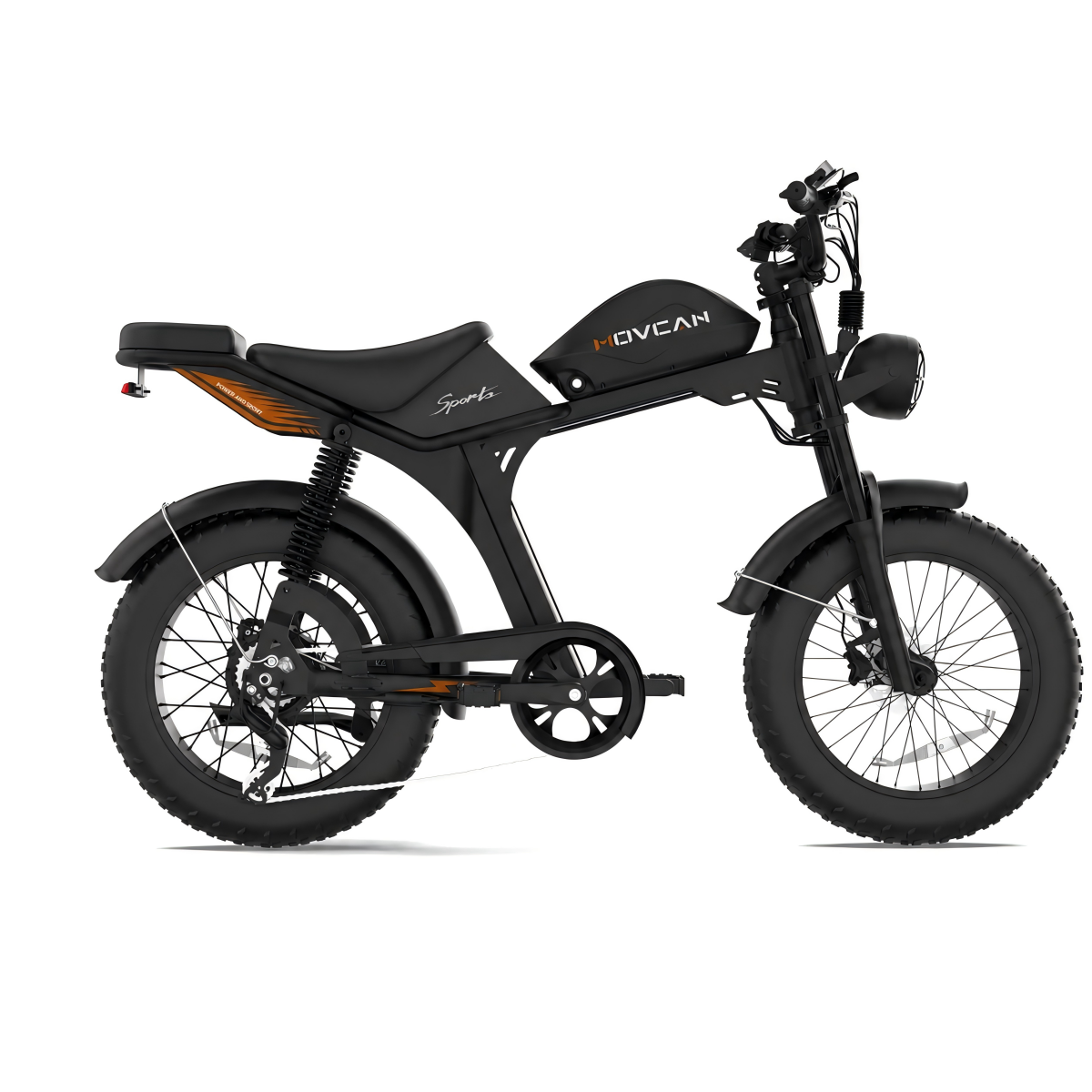
Designed for riders who prioritize stronger acceleration, higher-output motor systems, larger battery configurations, and more demanding riding. Within MOVCAN, the V30 Pro Max, V60 Pro, and V70 represent this performance-focused direction. This category is most relevant for hills, longer trips, and capable mixed-terrain riding.
Commuter eBikes focus on regular transportation: work trips, city riding, neighborhood travel, and practical day-to-day use. MOVCAN identifies the V30, V40, and V80 as representative commuter models, with different levels of power, range, and ride style.
Fat tire eBikes use wider tires to increase the contact patch and support stability on varied surfaces. MOVCAN positions models such as the V60 Pro, V70, and EB60 for riders who want comfort and multi-terrain capability across pavement, gravel, dirt roads, parks, and camping routes.
Off-road-oriented electric bikes combine motor response with tires, suspension, braking, and frame hardware suited to appropriate recreational terrain. MOVCAN’s performance and fat-tire platforms can support gravel, dirt, and outdoor routes, but riders should match the bike to the trail and local land-use rules.
Folding eBikes are designed around easier storage and transportation. MOVCAN’s Q20 combines a folding frame with a fat-tire platform and is positioned for apartment living, RV travel, urban commuting, and weekend use where a full-size fixed frame may be less convenient.
Long-range models place more emphasis on battery capacity, pedal-assist efficiency, comfort, and the ability to cover longer distances between charges. MOVCAN currently highlights the V70, V30 Pro Max, and other larger-battery configurations for riders planning longer transportation or recreational trips.
This summary is designed to show where each model sits in the MOVCAN lineup without repeating the full product specifications above.
Recommended use: Commuting, outdoor riding, and recreational trips.
Recommended use: Riders prioritizing dual-motor performance, traction, and extended range.
Recommended use: Daily commuting, weekend riding, and mixed terrain.
Recommended use: Daily commuting, city transportation, and recreational riding.
Recommended use: City commuting, daily transportation, and recreational riding.
Recommended use: Long-distance commuting, weekend adventures, and mixed terrain.
Recommended use: Adventure riding, long-distance transportation, and outdoor riding.
Recommended use: RV travel, apartment storage, urban commuting, and weekend use.
Recommended use: Commuting, leisure riding, and outdoor activities.
Recommended use: Daily transportation, longer rides, and mixed terrain.
Recommended use: General adult riding; check the current product page for model-specific positioning.
| Riding Need | Recommended MOVCAN Models | Why They Fit |
|---|---|---|
| Daily Commuting | V80 / V30 / V40 | MOVCAN positions these models around everyday transportation, city riding, and practical daily use. |
| High-Performance Riding | V30 Pro Max / V70 / V60 Pro | These models sit in MOVCAN’s performance-focused group, with stronger motor systems and hardware intended for more demanding riding. |
| Long-Distance Riding | V70 / V30 Pro Max / V30 Max | These models emphasize larger battery or dual-battery configurations and manufacturer-listed extended riding range. |
| Folding & RV Travel | Q20 | The Q20 uses a folding frame and is positioned for RV travel, apartment storage, urban commuting, and easier transportation. |
| Fat Tire / Mixed Terrain | V60 Pro / V70 / EB60 | MOVCAN identifies these as representative fat-tire models for stability, comfort, and varied riding surfaces. |
| Outdoor Adventure | V70 / V30 Pro Max / V60 Pro | MOVCAN positions these models for outdoor exploration, longer rides, gravel, dirt roads, and appropriate recreational off-road use. |
Recommended: V80 / V30 / V40
MOVCAN positions these models around everyday transportation, city riding, and practical daily use.
Recommended: V30 Pro Max / V70 / V60 Pro
These models sit in MOVCAN’s performance-focused group, with stronger motor systems and hardware intended for more demanding riding.
Recommended: V70 / V30 Pro Max / V30 Max
These models emphasize larger battery or dual-battery configurations and manufacturer-listed extended riding range.
Recommended: Q20
The Q20 uses a folding frame and is positioned for RV travel, apartment storage, urban commuting, and easier transportation.
Recommended: V60 Pro / V70 / EB60
MOVCAN identifies these as representative fat-tire models for stability, comfort, and varied riding surfaces.
Recommended: V70 / V30 Pro Max / V60 Pro
MOVCAN positions these models for outdoor exploration, longer rides, gravel, dirt roads, and appropriate recreational off-road use.
Actual speed and range may vary depending on rider weight, terrain, riding mode, weather, tire pressure, battery condition and other factors. Manufacturer-listed specifications should be treated as reference values rather than guaranteed real-world results.
Choosing among electric bikes for adults is easier when you start with the ride you need to complete, not the largest number on a specification sheet. Adult electric bikes vary widely in power, battery size, tire width, suspension, frame design, weight, and portability. Use the six factors below to narrow the field.
Start with the surface and distance you ride most often. Smooth urban routes may favor a commuter electric bike with practical handling and predictable daily range. Rough pavement, gravel, dirt roads, or camping routes can make wider tires and suspension more useful. If your week mixes commuting with weekend recreation, a versatile fat-tire or all-terrain platform may make more sense than a narrowly specialized design.
Motor power affects acceleration, hill response, and assistance under load, but more wattage is not automatically better for every rider. Moderate power can be easier to manage for routine city transportation, while higher-output or dual-motor systems may suit hills, heavier loads, and performance-focused riding. Compare rated and peak figures carefully, and consider how often you will actually use the additional output.
Battery capacity affects how much energy an electric bicycle can store, but advertised range is only a reference. A long range electric bike can be useful for extended commutes and recreation, yet real distance depends on speed, rider weight, terrain, temperature, tire pressure, assist level, throttle use, and battery condition. Compare your normal round-trip distance with a realistic reserve instead of planning around the maximum advertised figure.
Narrower tires can feel efficient and familiar on paved roads. A fat tire electric bike uses a wider contact patch that can add stability, grip, and cushioning on broken pavement and mixed surfaces, but it also adds weight and rolling resistance. Choose tire width for your actual roads and trails rather than appearance alone. Correct tire pressure also has a major effect on comfort, handling, and range.
Suspension can improve comfort and wheel control on uneven roads, while braking hardware becomes more important as bike weight and potential speed increase. Full suspension may be valuable for rougher mixed-terrain riding but can add weight and maintenance. Hydraulic disc brakes generally offer controlled lever feel with relatively low hand effort. Evaluate suspension, tires, and brakes as one handling system rather than separate marketing features.
A powerful eBike is not useful if it is difficult to store, charge, or move in your daily routine. Check overall dimensions, rider fit, bike weight, battery removal, charging access, and where the bike will be parked. Apartment residents and RV travelers may prefer a folding electric bike, while riders with garage storage may prioritize comfort, battery capacity, or larger tires instead.
Electric bike regulations vary by state and local jurisdiction. Riders should check applicable local laws before riding, especially rules related to speed, motor operation, permitted paths, equipment, and rider age.
For riders who prioritize regular transportation, consider the V80, V30, or V40. MOVCAN positions these models around city riding and everyday use. The V80 is the clearest commuter-focused option, while the V30 and V40 add different levels of performance and mixed-use capability.
For riders who prioritize stronger motor performance and more demanding riding, the V30 Pro Max, V70, and V60 Pro are better suited within the MOVCAN lineup. The V30 Pro Max is the dual-motor option, while the V70 and V60 Pro combine performance with long-distance and mixed-terrain capability.
For longer trips, start with the V70, V30 Pro Max, and V30 Max. These models are positioned around extended riding range and larger battery configurations. Manufacturer-listed range is a useful comparison point, but actual distance can be substantially lower depending on speed, terrain, rider weight, weather, and riding mode.
For riders who want fat-tire stability and a broader range of riding surfaces, consider the V60 Pro, V70, or EB60. MOVCAN identifies these as representative fat-tire models suited to pavement, gravel, dirt roads, parks, camping routes, and other appropriate mixed-surface environments.
The Q20 is the clear folding option within the current MOVCAN lineup. Its folding frame is intended for riders who need easier storage or transport, including RV travel, apartment living, urban commuting, and weekend recreation. Portability is its main positioning advantage over a full-size fixed-frame eBike.
For outdoor exploration and appropriate recreational off-road use, consider the V70, V30 Pro Max, or V60 Pro. Their positioning emphasizes motor capability, fat tires, suspension, range, and mixed-terrain riding. They are not substitutes for dedicated technical mountain bikes, so terrain, rider skill, and local trail rules still matter.
An electric bike is a bicycle equipped with an electric motor, rechargeable battery, and controls that provide motor assistance. It may use pedal assist, a throttle where equipped and permitted, or both depending on the model. Electric bikes are available in commuter, fat-tire, performance, folding, and other configurations, so the right design depends on riding distance, terrain, storage needs, local regulations, and the level of motor assistance the rider wants.
There is usually no practical difference: “eBike” is simply a common shortened term for “electric bike” or “electric bicycle.” All three terms describe bicycles that use an electric motor and rechargeable battery to assist riding. The more important differences are between eBike categories, such as commuter, fat-tire, folding, long-range, and performance-oriented models, because those configurations can change handling, portability, range, comfort, and intended riding environment.
Choose an electric bike for adults by matching the bike to your normal route, distance, terrain, storage situation, and desired level of motor assistance. Compare motor performance, battery capacity, realistic range, tire width, suspension, braking, frame dimensions, bike weight, and charging access. A short urban commute may not require the same equipment as long-distance or mixed-terrain riding. Rider fit and applicable local eBike regulations should also be part of the decision.
MOVCAN identifies the V80, V30, and V40 as commuter-focused models, while the V60 Pro can also suit riders who want more performance for longer or rougher routes. The V80 is positioned most directly around city transportation and everyday use. The better choice depends on commute distance, hills, road quality, storage, desired tire size, and how much motor performance you need rather than a single specification.
For long-distance riding, the V70, V30 Pro Max, and V30 Max are useful MOVCAN models to compare because they are positioned around extended range or larger battery configurations. The V70 is manufacturer-listed at up to 124 miles, while the V30 Pro Max is advertised at up to 120 miles. Maximum figures are not guaranteed real-world results; speed, terrain, rider weight, temperature, tire pressure, assist level, and battery condition can significantly change actual range.
A fat tire eBike uses wider tires to emphasize stability, traction, cushioning, and mixed-surface capability, while a commuter eBike is primarily organized around practical everyday transportation. The categories can overlap: a commuter can also use fat tires. Riders who stay on smooth city roads may prioritize maneuverability and efficiency, while riders who regularly encounter rough pavement, gravel, dirt roads, or recreational routes may place more value on wider tires and suspension.
Yes, folding electric bikes can be practical for commuting and RV travel when storage and transportation are major priorities. A folding frame can reduce the space needed in an apartment, vehicle, or RV compared with a fixed-frame bike. MOVCAN positions the Q20 for RV travel, apartment living, urban commuting, and weekend use. Buyers should still check folded dimensions, total bike weight, battery removal, and whether they can comfortably lift and store the bike.
Electric bike range varies widely by battery capacity, motor use, speed, terrain, rider weight, temperature, tire pressure, assist level, and riding style. Manufacturer-listed maximum range is best used as a comparison reference rather than a guaranteed distance. Riders using high speeds, frequent acceleration, throttle operation, steep hills, or higher motor output will generally consume energy faster than riders using moderate pedal assist on flatter routes.
Electric bike speed depends on the motor system, controller settings, riding mode, load, terrain, and the model’s intended use. MOVCAN’s lineup includes commuter and higher-performance configurations with different manufacturer-listed top speeds. A maximum specification does not mean that speed is appropriate or permitted everywhere. Electric bike regulations vary by state and local jurisdiction, and riders should check applicable speed, equipment, path, and classification rules before riding.
Electric bike legality depends on where you ride. U.S. states and local jurisdictions can apply different eBike classifications, motor-assistance limits, speed rules, age requirements, helmet rules, and restrictions for roads, bike lanes, paths, or trails. A model being sold as an electric bicycle does not make every riding mode legal in every location. Riders should check current state and local laws and use settings and equipment appropriate for the places they plan to ride.

loading